
 Save to Pinterest
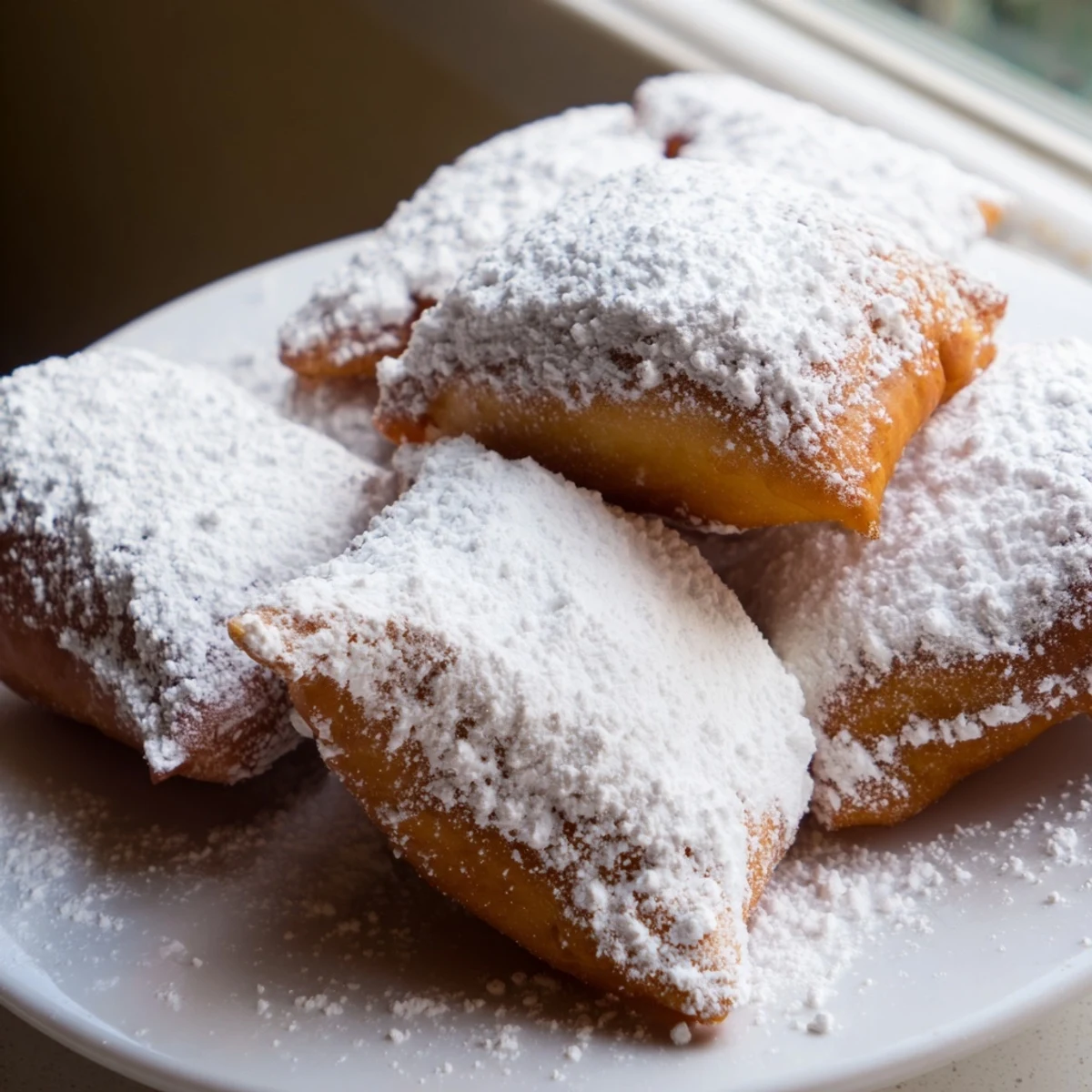
 Create these authentic French beignets with a soft, airy interior and perfectly golden exterior. The dough combines warm milk, eggs, and vanilla for subtle sweetness that pairs beautifully with the traditional powdered sugar coating. Perfect for special breakfasts or elegant desserts.
The first time I bit into a warm beignet at a tiny cafe in New Orleans, powdered sugar covered my entire black sweater. I laughed about it for days, but that moment of crispy, pillowy perfection never left me. Now my kitchen smells like vanilla and fried dough whenever I need a little comfort.
Last winter, I made these for my sister on a snowy Sunday morning. We stood at the counter, dipping warm beignets into raspberry jam, sugar dusting our countertops like fresh snowfall. She called me the next day asking for the recipe, and honestly, that is the best review.
Ingredients
- All-purpose flour: This creates the perfect structure for those pillowy pockets we want
- Active dry yeast: Make sure your water is warm but not hot, or you will kill the yeast
- Whole milk: Room temperature ingredients help everything incorporate smoothly
- Unsalted butter: Melt it first and let it cool so it does not scramble your eggs
- Pure vanilla extract: Do not skimp here, it is what makes these feel special
- Vegetable oil: You need enough depth so the beignets float freely while frying
- Powdered sugar: Dust them while they are still warm so it sticks perfectly
Instructions
- Wake up the yeast:
- Stir the yeast into warm water and watch it bloom, about 5 minutes until foamy on top.
- Mix the dry base:
- Whisk flour, sugar, and salt together in your stand mixer bowl so everything is evenly distributed.
- Bring it together:
- Add the yeast mixture, milk, eggs, butter, and vanilla, then mix on medium speed with the dough hook for 5 to 7 minutes.
- Let it rise:
- Place the dough in an oiled bowl, cover it, and walk away for an hour or two until it is doubled in size.
- Shape the squares:
- Roll the dough to half an inch thick and cut into 2-inch squares, then let them rest for another 30 minutes.
- Fry to golden:
- Carefully drop squares into 350 degree oil and fry for 1 to 2 minutes per side until they are puffed and beautifully golden.
- Dust and devour:
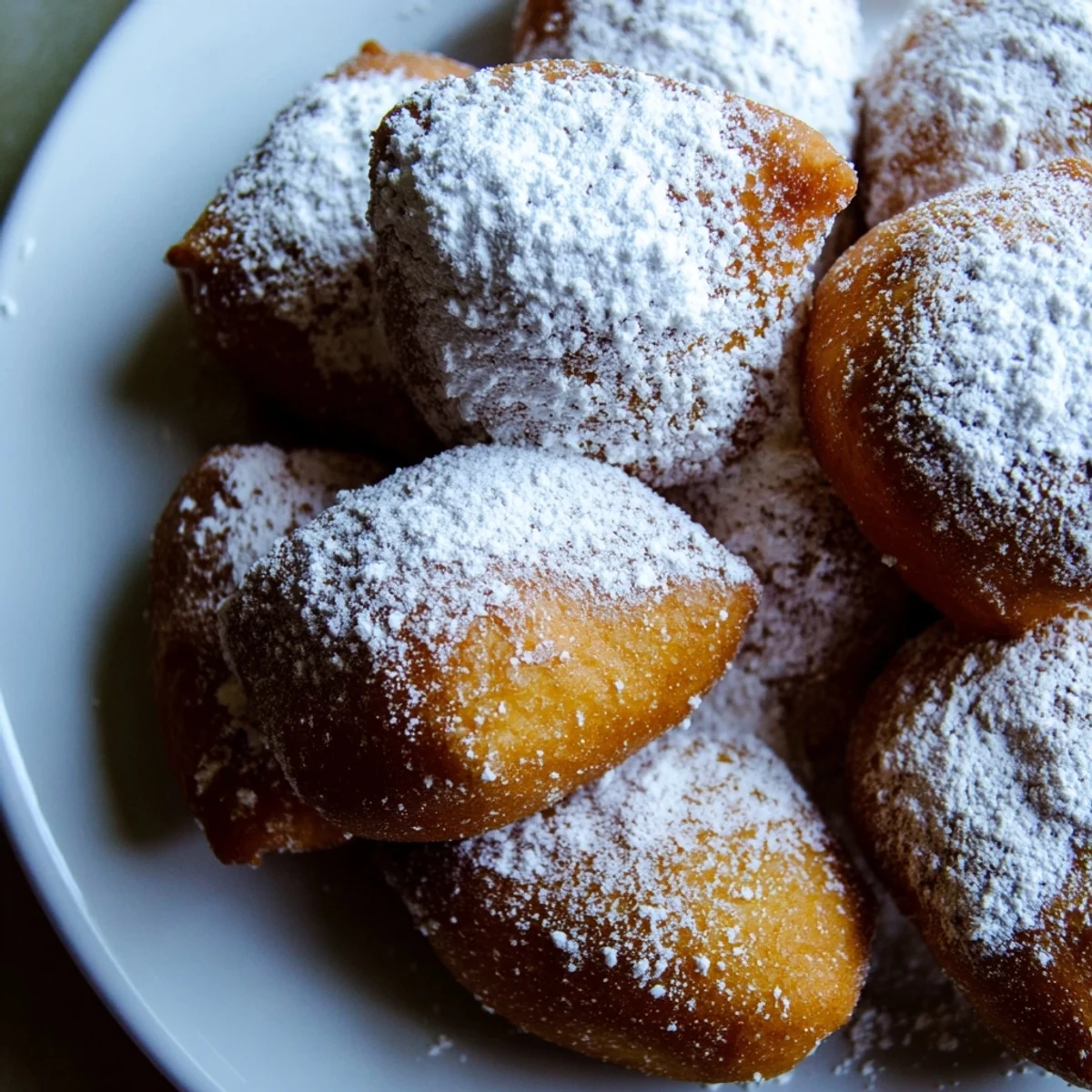
- Let them drain briefly, then coat generously with powdered sugar while they are still warm.
 Save to Pinterest
 These beignets have become my go-to when friends come over, because something about standing around the fryer, watching dough puff up into golden clouds, just makes people happy. The house fills with this warm vanilla scent that feels like a hug.
Frying Like a Pro
I have learned that maintaining the right oil temperature is everything. Keep a kitchen thermometer nearby and adjust your heat as needed. If the beignets brown too quickly, lower the flame and give the oil a moment to stabilize.
Make-Ahead Magic
You can actually cut the beignets and freeze them on a baking sheet before the second rise. When you are ready to fry, just let them thaw and rise until puffy. It has saved me so many times when I want fresh beignets without starting from scratch.
Serving Ideas
Sometimes I make a quick chocolate sauce by melting chocolate chips with a splash of cream. It takes these beignets from amazing to absolutely unforgettable.
- Lemon zest in the dough adds such a bright, fresh note
- A drizzle of honey creates this beautiful sticky sweet situation
- Coffee is basically mandatory on the side
 Save to Pinterest
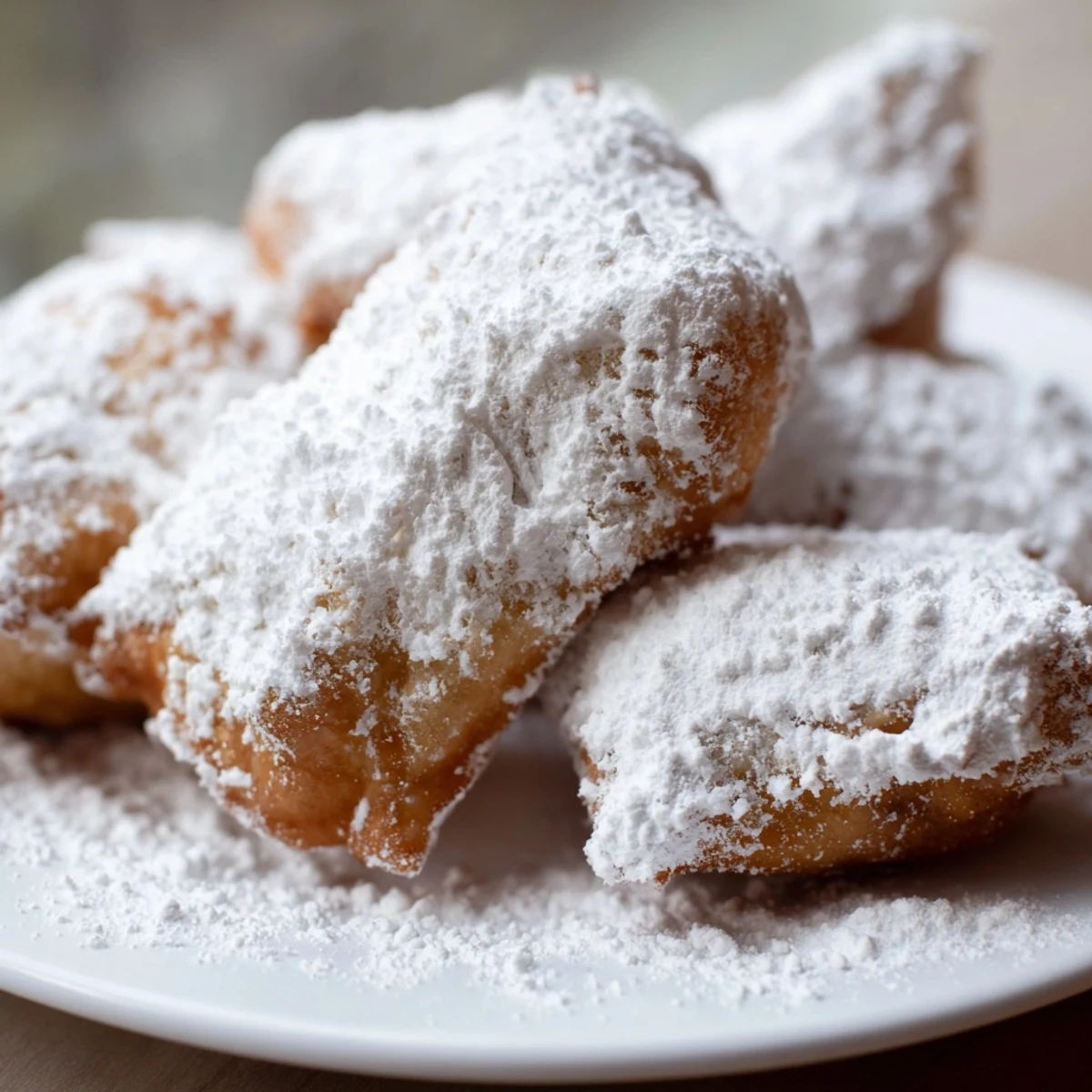
 There is something profoundly joyful about food that requires you to stop everything and eat it right now. Fresh beignets demand your full attention, and honestly, that is part of their charm.
Recipe FAQs
- → What makes beignets different from regular donuts?
-
Beignets are French pastries made from a yeast-risen dough that creates a light, pillowy texture. Unlike cake donuts, they're hollow inside and fried until puffy and golden, typically served warm with generous powdered sugar coating.
- → How long should the dough rise?
-
Let the dough rise for 1 to 1.5 hours in a warm place until doubled in size. After cutting into squares, allow them to rise for an additional 30 minutes before frying for maximum fluffiness.
- → What oil temperature is best for frying?
-
Maintain oil at 350°F (175°C) for optimal results. If the oil is too cool, beignets will absorb excess oil and become greasy. Too hot, and they'll burn outside while remaining raw inside.
- → Can I make the dough ahead of time?
-
Yes, prepare the dough and let it complete its first rise, then refrigerate overnight. Bring to room temperature before rolling and cutting. The second rise can happen while oil heats.
- → What's the best way to coat beignets with sugar?
-
Dust them while still warm so the powdered sugar adheres perfectly. Place warm beignets in a paper bag with sugar and shake gently, or use a sieve to sprinkle generously over the batch.
- → How should I store leftover beignets?
-
Beignets taste best fresh but can be stored in an airtight container for 1-2 days. Reheat in a 350°F oven for 3-4 minutes to restore crispness. Avoid microwaving as they'll become soggy.