
 Save to Pinterest
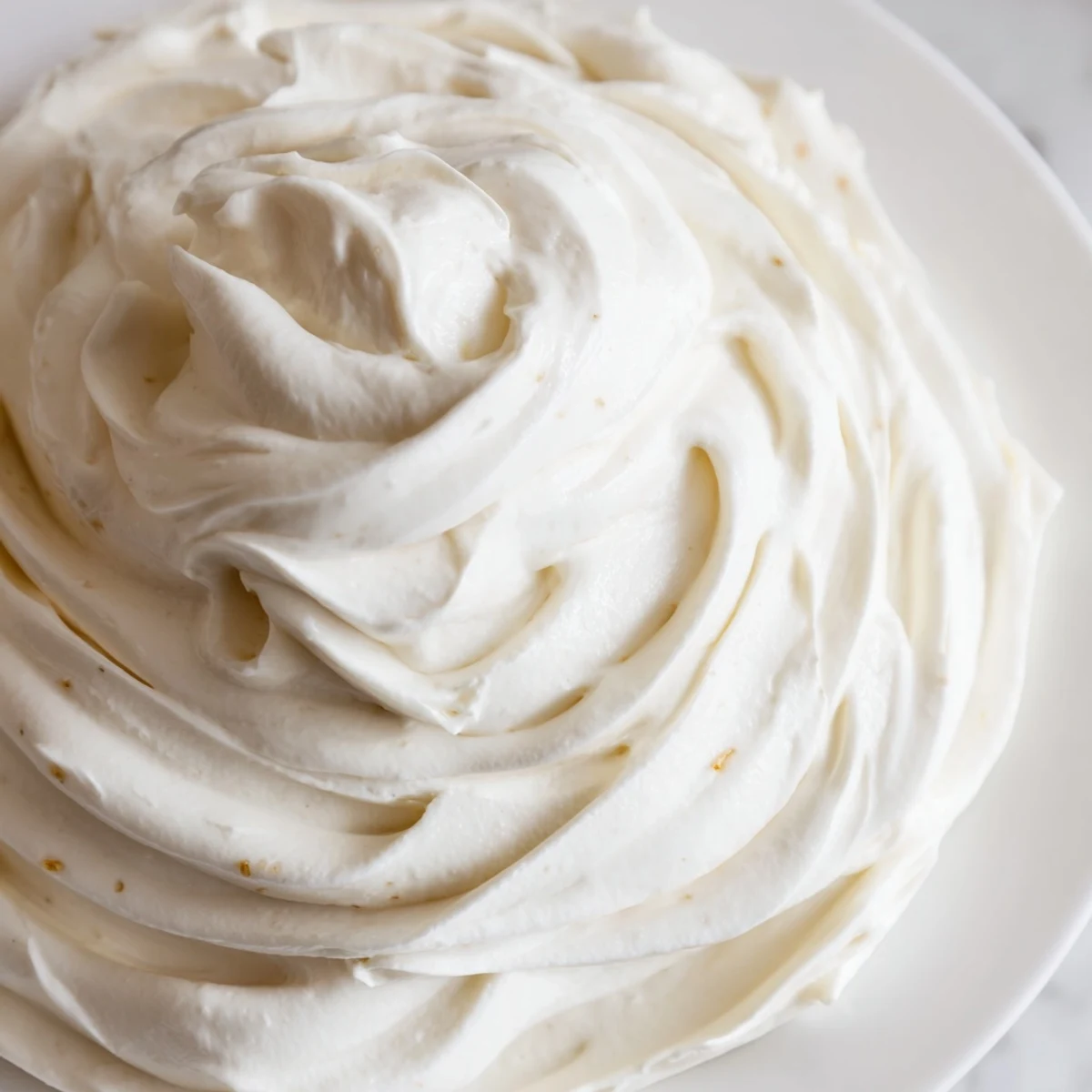
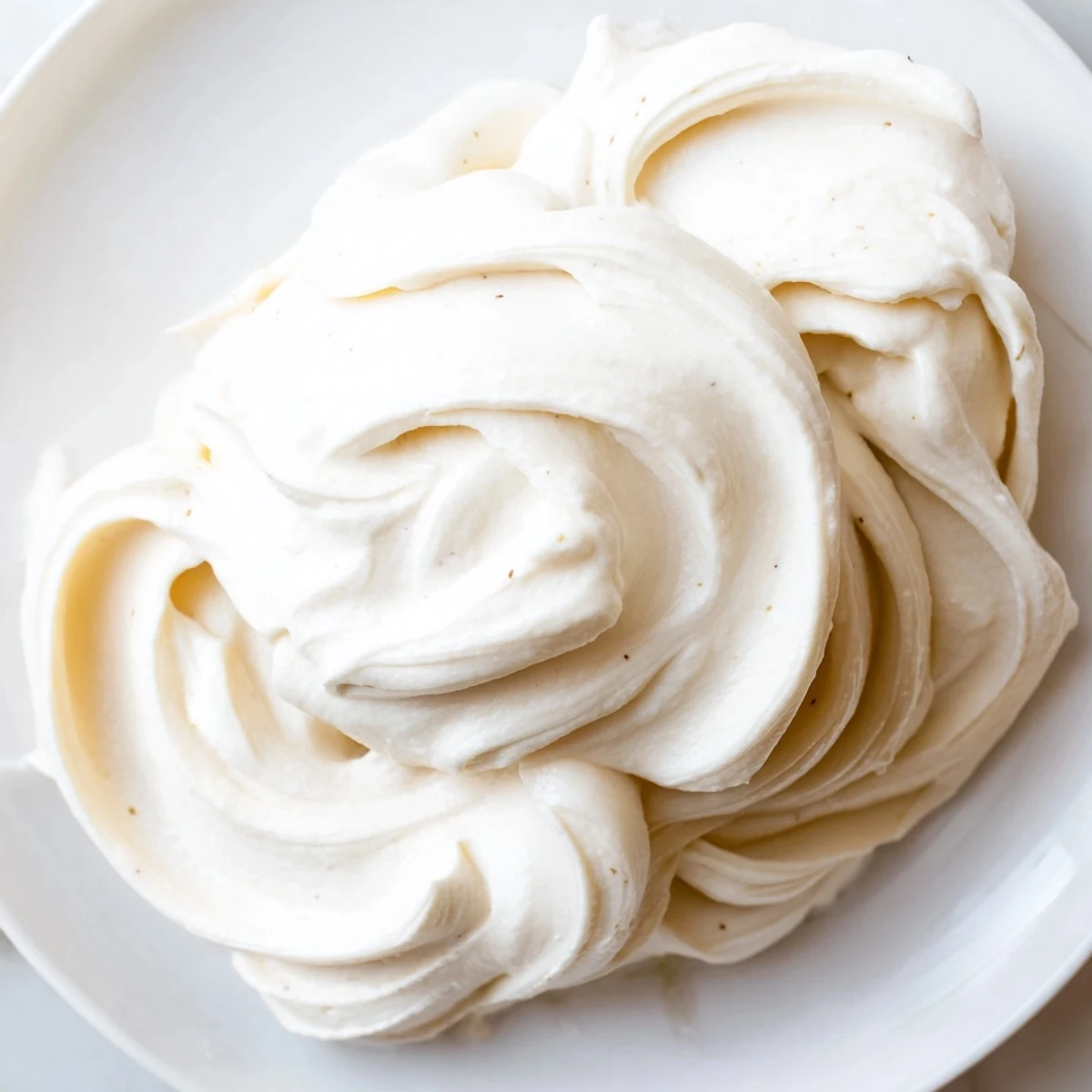
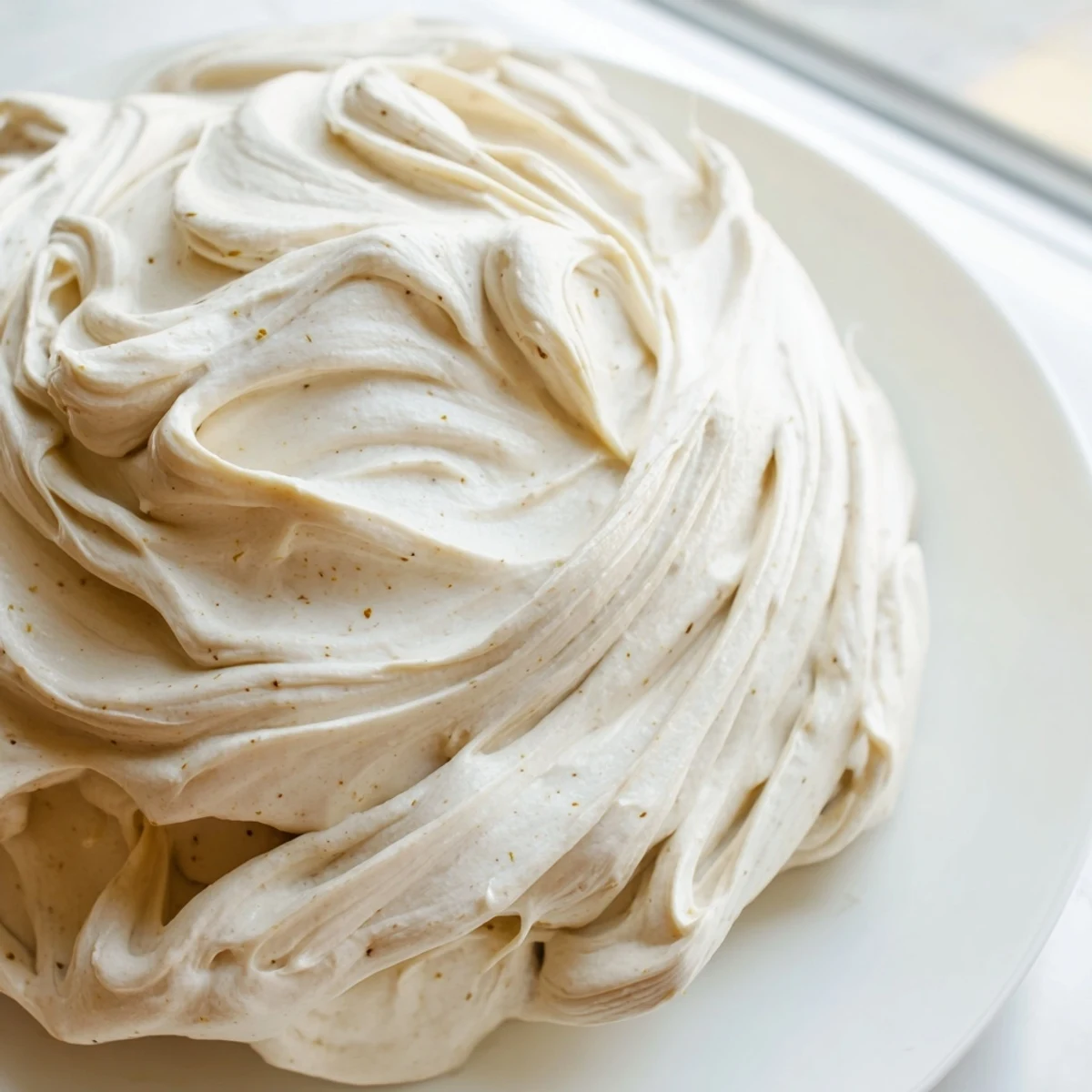
 This Italian meringue buttercream delivers a silky-smooth, pipeable frosting that holds its shape beautifully on cakes and cupcakes. A hot sugar syrup is streamed into whipped egg whites to create a glossy, stable meringue before room-temperature butter is beaten in gradually. The result is a rich yet delicately sweet frosting that melts on the tongue.
Plan about 35 minutes from start to finish. A candy thermometer and stand mixer are essential for success. The buttercream can be refrigerated for up to one week or frozen for two months—just bring it to room temperature and re-whip before using.
The sound of a candy thermometer clicking against the side of a saucepan still takes me straight back to a tiny apartment kitchen where I was convinced buttercream was some kind of sorcery I would never master. Steam curled up from the sugar syrup while I nervously checked the temperature every thirty seconds, certain I was about to ruin everything. That first batch turned out lumpy and weeping, but something about the process hooked me completely. I have made Italian meringue buttercream hundreds of times since, and every single batch still feels a little like magic.
My sister walked into the kitchen just as I was pouring hot syrup into spinning egg whites and grabbed my arm because she thought something had caught fire. We both froze, the mixer roared on, and somehow the meringue came together perfectly while we stood there laughing. She still brings it up every birthday when I frost her cake.
Ingredients
- Granulated sugar (200 g): The foundation of your syrup, use plain white sugar for the cleanest result.
- Water (60 ml): Just enough to dissolve the sugar before it heats into a concentrated syrup.
- Egg whites (120 g, about 4 large): Room temperature whites whip up with more volume and incorporate the syrup more evenly.
- Cream of tartar (1/4 tsp): An optional but helpful stabilizer that keeps your whites tall and confident.
- Salt (1/4 tsp): A tiny pinch that balances the sweetness and deepens the butter flavor.
- Unsalted butter (340 g): Must be truly at room temperature, soft enough to leave a fingerprint but not melting or greasy.
- Pure vanilla extract (1 to 2 tsp): Use the good stuff here because it is the primary flavor and cheap extract will show.
Instructions
- Brew the sugar syrup:
- Combine the sugar and water in a small saucepan and stir gently just until the sugar is moistened, then stop. Heat over medium without stirring and let the syrup climb to 115 degrees Celsius on your candy thermometer while you resist every urge to touch it.
- Wake up the egg whites:
- While the syrup heats, start whipping the egg whites and cream of tartar in your stand mixer on medium speed until they turn foamy and white. Sprinkle in the salt and let them keep building body while you keep one eye on that thermometer.
- Marry the two together:
- The moment the syrup hits 115 degrees, pull it off the heat and pour it into the whipping whites in a thin steady stream, aiming for the side of the bowl rather than the whisk itself. This is the moment where everything transforms.
- Whip into glossy peaks:
- Crank the mixer to high and let it run until the meringue stands in stiff, gleaming peaks and the outside of the bowl feels completely cool, which usually takes about ten patient minutes.
- Bring in the butter:
- Switch to the paddle attachment and drop in the butter one cube at a time on medium speed, waiting until each piece disappears before adding the next. The mixture will almost certainly look curdled and disastrous at some point, but trust the process and keep going.
- Finish with flavor:
- Beat in the vanilla extract and keep mixing until everything turns silky, smooth, and spreadable. If the buttercream feels too soft and loose, pop the whole bowl in the fridge for ten minutes and whip it again until it firms up.
 Save to Pinterest
 The first time I brought a cake frosted with this buttercream to a dinner party, someone actually closed their eyes while eating a slice and asked if I had bought it from a bakery.
Storing Your Buttercream
You can refrigerate leftover buttercream in an airtight container for up to a week, or freeze it for as long as two months. When you are ready to use it again, let it come completely to room temperature and give it a good rewhip until it returns to that familiar silky texture.
Flavor Variations Worth Trying
This buttercream is a blank canvas that takes beautifully to all kinds of flavor additions once it is fully mixed. Try folding in espresso powder for a mocha vibe, lemon zest for brightness, or a splash of almond extract for something unexpectedly warm and fragrant.
Tools That Make a Difference
A stand mixer is more or less essential here because you need continuous whipping while your hands are busy with hot syrup. Beyond the mixer, there are a few items that genuinely change the experience.
- A reliable candy thermometer removes all the guesswork from the syrup stage.
- A rubber spatula helps you scrape every last bit of buttercream from the bowl.
- Make sure your saucepan has a pour spout for controlled syrup pouring.
 Save to Pinterest
 Mastering Italian meringue buttercream is one of those kitchen milestones that changes the way you think about baking entirely. Every cake you frost from here on will carry that quiet confidence of knowing exactly what you are doing.
Recipe FAQs
- → Why did my buttercream curdle after adding the butter?
-
Curdling is completely normal. The temperature difference between the meringue and butter causes temporary separation. Simply keep beating on medium speed and the mixture will emulsify into a smooth, silky buttercream.
- → Can I make Italian meringue buttercream without a candy thermometer?
-
A candy thermometer is strongly recommended for accuracy. The sugar syrup must reach exactly 115°C (240°F). Without it, you risk undercooking the syrup, which leads to weepy buttercream, or overcooking it, which causes caramelization.
- → How do I fix buttercream that is too runny?
-
Place the bowl in the refrigerator for 10 to 15 minutes to firm up the butter, then re-whip on medium-high speed. Avoid chilling too long or the buttercream will become too stiff to spread.
- → Can I flavor Italian meringue buttercream beyond vanilla?
-
Absolutely. Once the buttercream is smooth, fold in citrus zest, espresso powder, melted and cooled chocolate, fruit purées, or other extracts. Add flavors gradually and taste as you go to avoid overpowering the delicate base.
- → How far in advance can I make this buttercream?
-
Store it in an airtight container in the refrigerator for up to one week or freeze for up to two months. When ready to use, let it come to room temperature completely, then re-whip until smooth and spreadable.
- → Why does the butter need to be at room temperature?
-
Room-temperature butter incorporates smoothly into the meringue without causing temperature shock. Cold butter will create lumps and increase the risk of curdling, while melted butter will make the frosting too thin.