
 Save to Pinterest
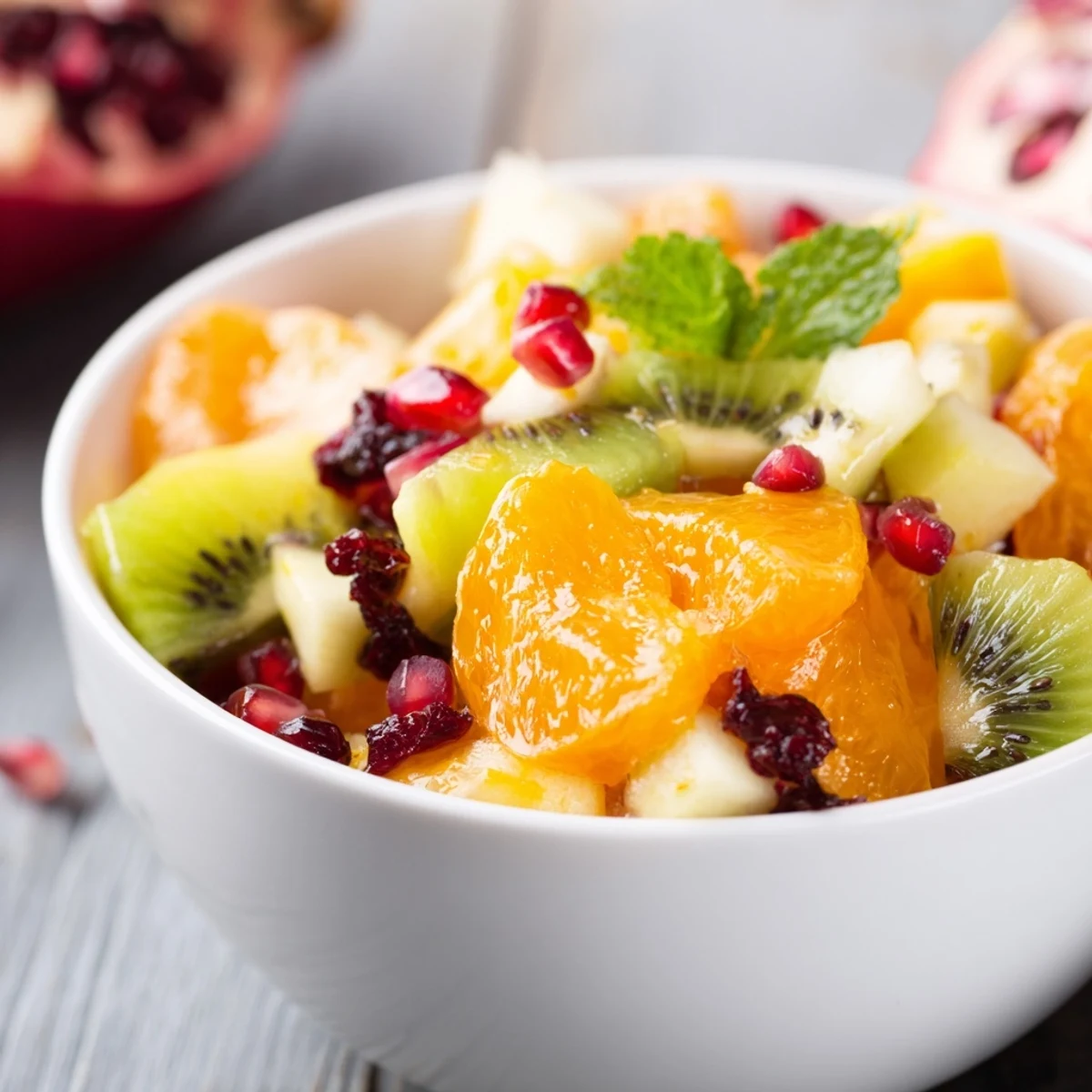
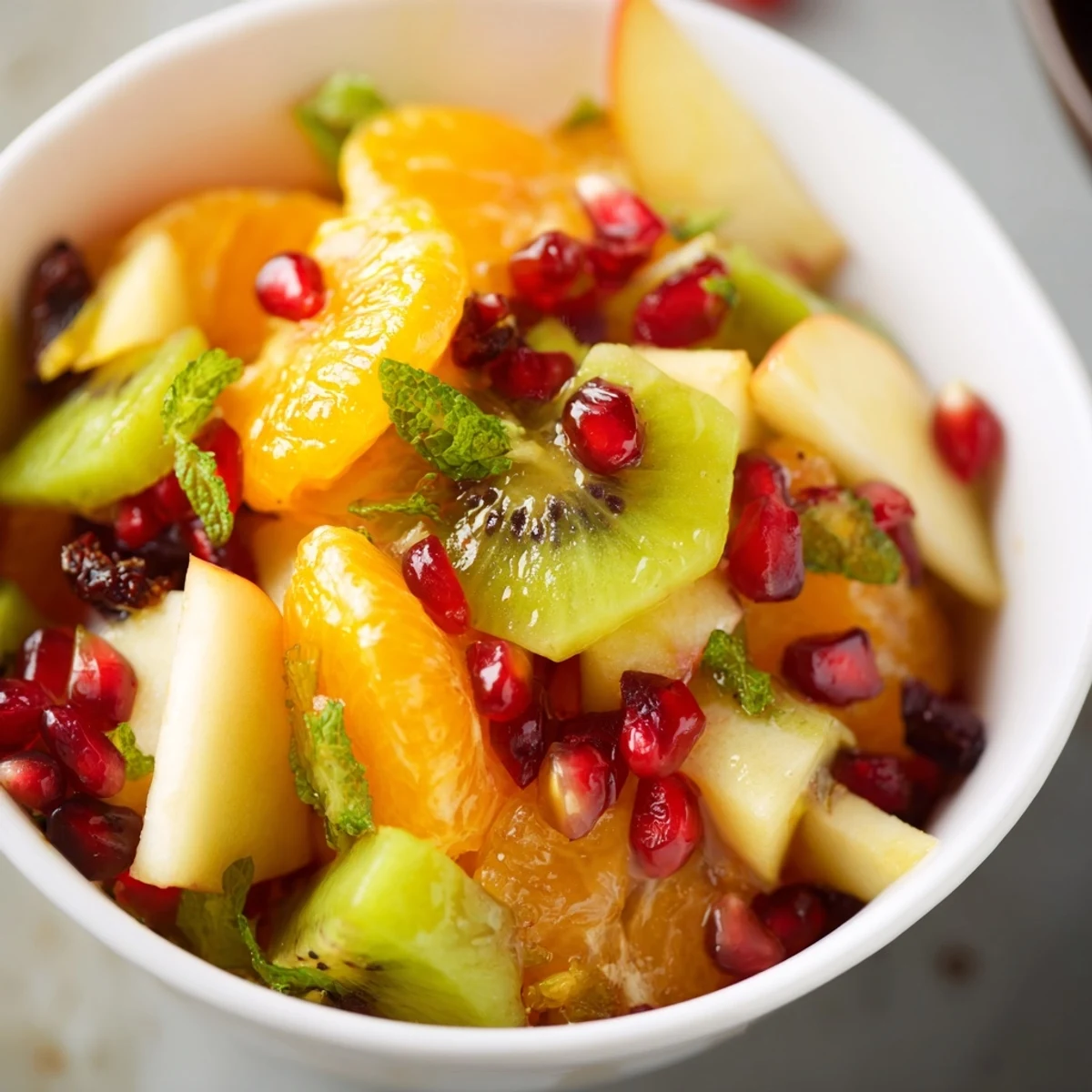
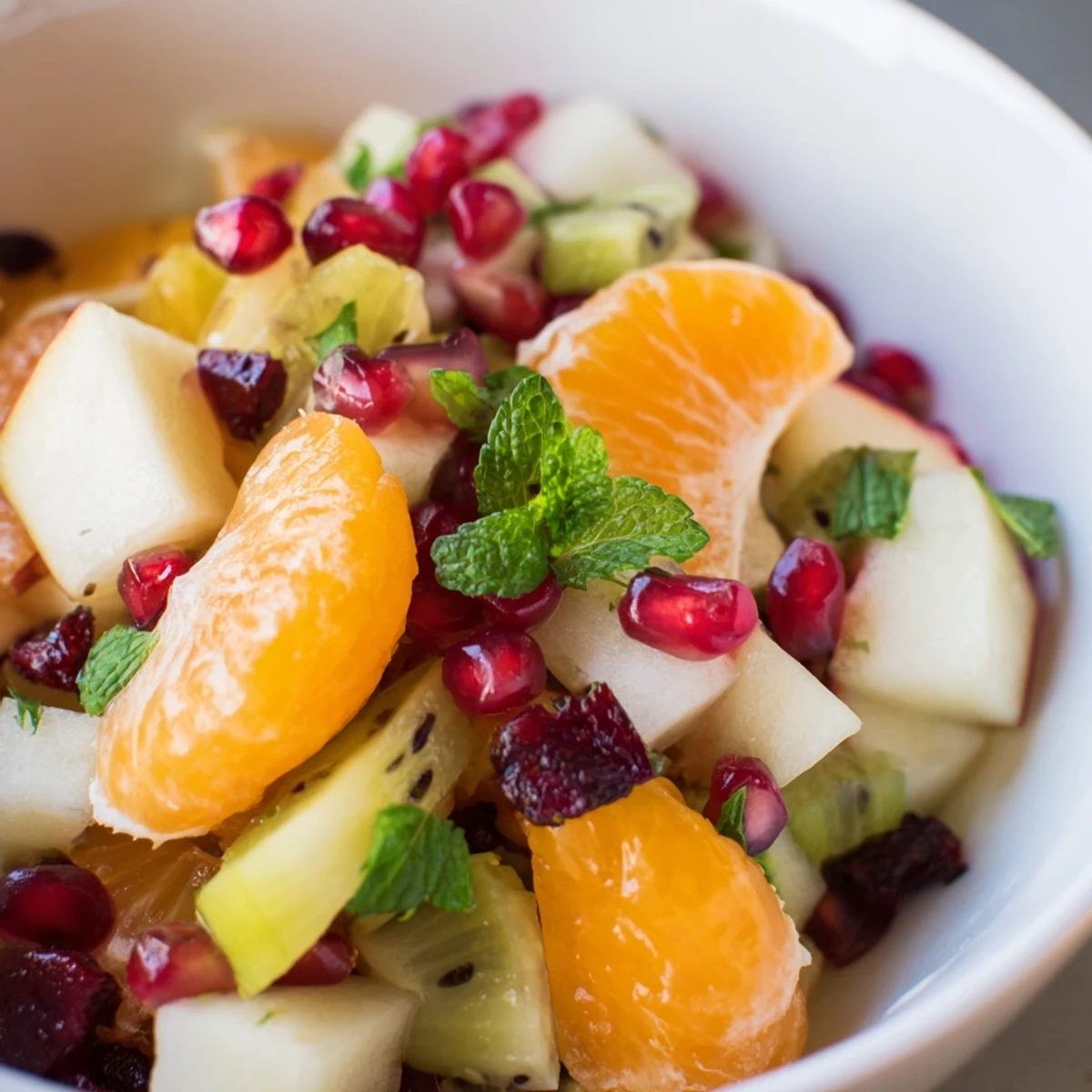
 This fruity mix combines pomegranate, oranges, kiwis, apples, pears, grapes, and dried cranberries, coated in a honey-lime dressing with a hint of cinnamon. Fresh mint brightens the flavors, creating a colorful and revitalizing dish perfect for colder days. Simple to prepare with no cooking required, it can be served immediately or chilled briefly to deepen the taste. Optional toasted nuts add crunch and variety.
There's something about the moment when January light hits a bowl of pomegranate arils and suddenly your kitchen feels warm again. I made this salad on a gray afternoon when I needed something that tasted like summer but didn't require pretending the weather would cooperate. The honey-lime dressing transforms simple winter fruit into something that feels both indulgent and honest, which is exactly what I needed that day.
My neighbor stopped by unexpectedly with her kids, and I had nothing prepared except good intentions. I threw this together in the time it took them to remove their coats, and watching the kids actually eat fruit without complaint felt like winning the lottery. That's when I realized this salad works as well for spontaneous moments as it does for planned occasions.
Ingredients
- Pomegranate arils: These jewel-like seeds carry a tartness that grounds the sweetness of everything else. Buy them already seeded if you value your countertop and your patience.
- Oranges: Peel them fresh and segment them by hand; the juice that collects in your palm is part of the ritual.
- Kiwis: Slice them just before serving so they don't weep into the other fruit and turn everything murky.
- Apple and pear: Choose firm ones that won't turn to mush. A quick toss in the dressing right after cutting keeps them from browning.
- Red grapes: Halving them makes them easier to eat and helps them absorb the dressing.
- Dried cranberries: These add a subtle chew and a pop of color that fresh berries alone can't deliver.
- Honey: Use the good kind if you can. It's only three tablespoons, but it makes a difference.
- Lime juice and zest: Fresh lime only. Bottled lime juice tastes like regret.
- Cinnamon: Optional but worth it. A whisper of it adds warmth without announcing itself.
- Fresh mint: Tear it gently by hand rather than chopping it. It bruises easily and bruised mint tastes bitter.
Instructions
- Prepare your fruit:
- Lay everything out on your cutting board in the order you'll use it. This prevents the panic of wondering what you've already cut. Work quickly with the apples and pears so they stay pale and crisp.
- Build the bowl:
- Combine all the fruit in a large mixing bowl with the kind of care you'd use arranging flowers. The pomegranate arils go in last so they don't get crushed under the weight of the heavier fruit.
- Make the dressing:
- Whisk honey, lime juice, lime zest, and cinnamon in a small bowl until the honey dissolves and everything turns pale gold. Taste it and adjust; this is your chance to make it exactly what you want.
- Bring it together:
- Pour the dressing over the fruit and use a rubber spatula to gently turn everything until each piece glistens. Don't rush this step or you'll bruise the delicate fruit.
- Finish and serve:
- Transfer to your nicest serving bowl and scatter mint over the top just before bringing it to the table. If you're making it ahead, keep the mint separate and add it at the last moment.
 Save to Pinterest
 A friend who usually skips dessert ate three servings of this. We didn't talk about it directly, but later she asked for the recipe and that small moment of being useful felt like real nourishment.
Why This Works as a Winter Dish
Winter fruit gets dismissed as inferior, like it's apologizing for existing when berries aren't in season. But pomegranates, oranges, kiwis, and pears are actually at their peak in these months, and they deserve celebration. The brightness of the lime-honey dressing cuts through the heavier flavors of winter meals and reminds your palate that spring is actually coming, even when the calendar says otherwise.
Make It Your Own
This recipe is flexible in a way that matters when you're cooking real life. If pomegranates are expensive that week, use more grapes or add some persimmons instead. Some people swear by adding toasted nuts for crunch, and they're not wrong. The dressing works with almost any fruit combination you can imagine, so think of this as a template rather than gospel.
Serving and Storage
Serve this in a wide, shallow bowl so each piece stays visible and pretty. It travels well to potlucks if you pack the dressing separately and dress it when you arrive. Leftovers keep for about a day in the refrigerator, though the fruit will soften and the mint will darken, so it's best enjoyed fresh.
- If you're prepping for a crowd, cut everything the morning of and dress it two hours before eating.
- This pairs surprisingly well with savory dishes like roasted chicken or grilled fish.
- On its own, it's light enough for lunch but feels special enough for dinner.
 Save to Pinterest
 This salad proved to me that winter cooking doesn't have to feel heavy or resigned. It can be bright and alive and exactly what you needed.
Recipe FAQs
- → Which fruits are ideal for this salad?
-
Pomegranate arils, oranges, kiwis, apples, pears, red grapes, and dried cranberries combine for a bright winter selection.
- → How is the dressing prepared?
-
A blend of honey, fresh lime juice, lime zest, and optional ground cinnamon is whisked until smooth and poured over the fruit mix.
- → Can this salad be served cold?
-
Yes, chilling the salad for up to two hours enhances flavor while keeping it fresh and crisp.
- → Are there any suggested variations?
-
Adding toasted walnuts or pecans provides a satisfying crunch; substituting fruits like persimmons or mandarins also works well.
- → What garnishes complement this dish?
-
Freshly chopped mint leaves are sprinkled on top to enhance aroma and freshness.