
 Save to Pinterest
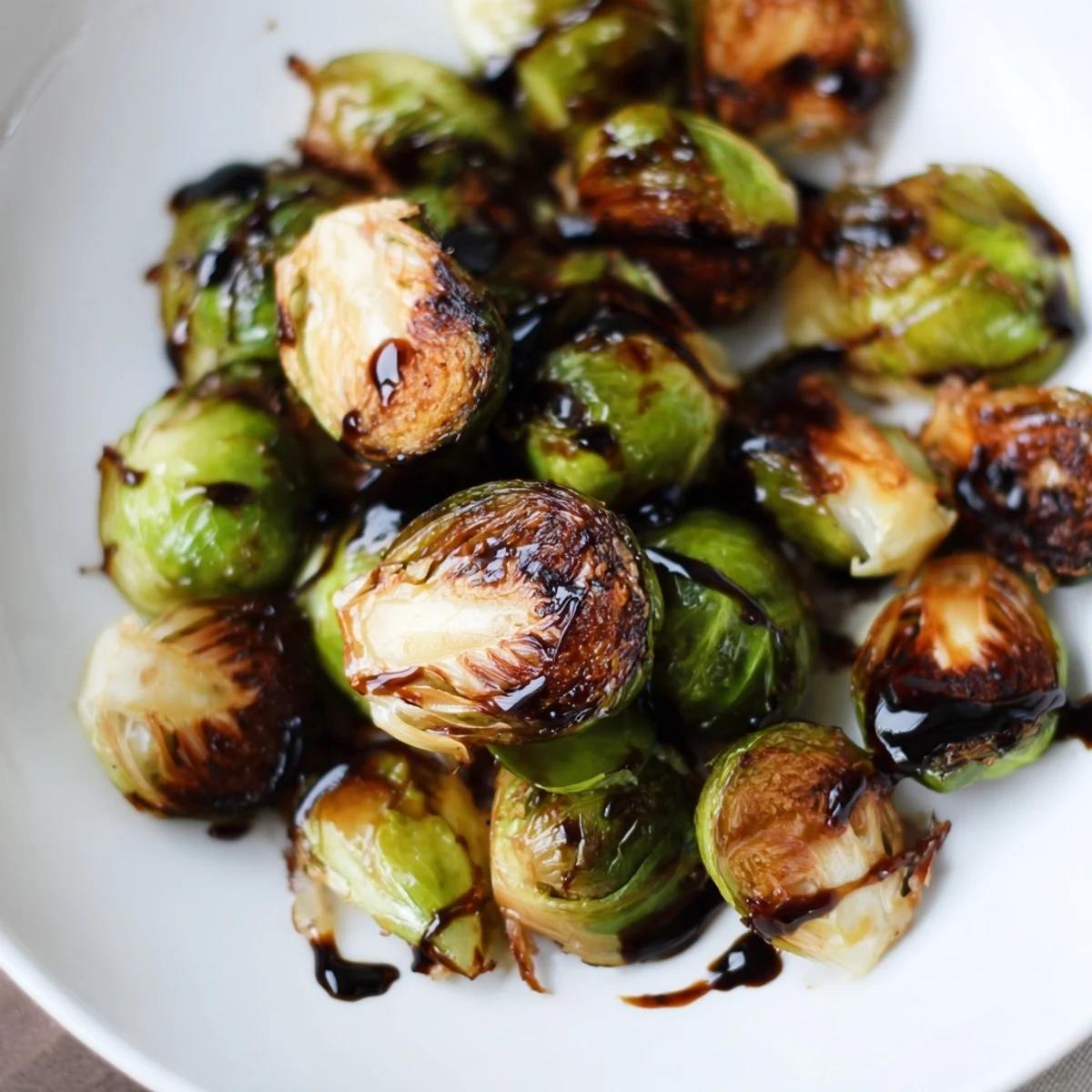
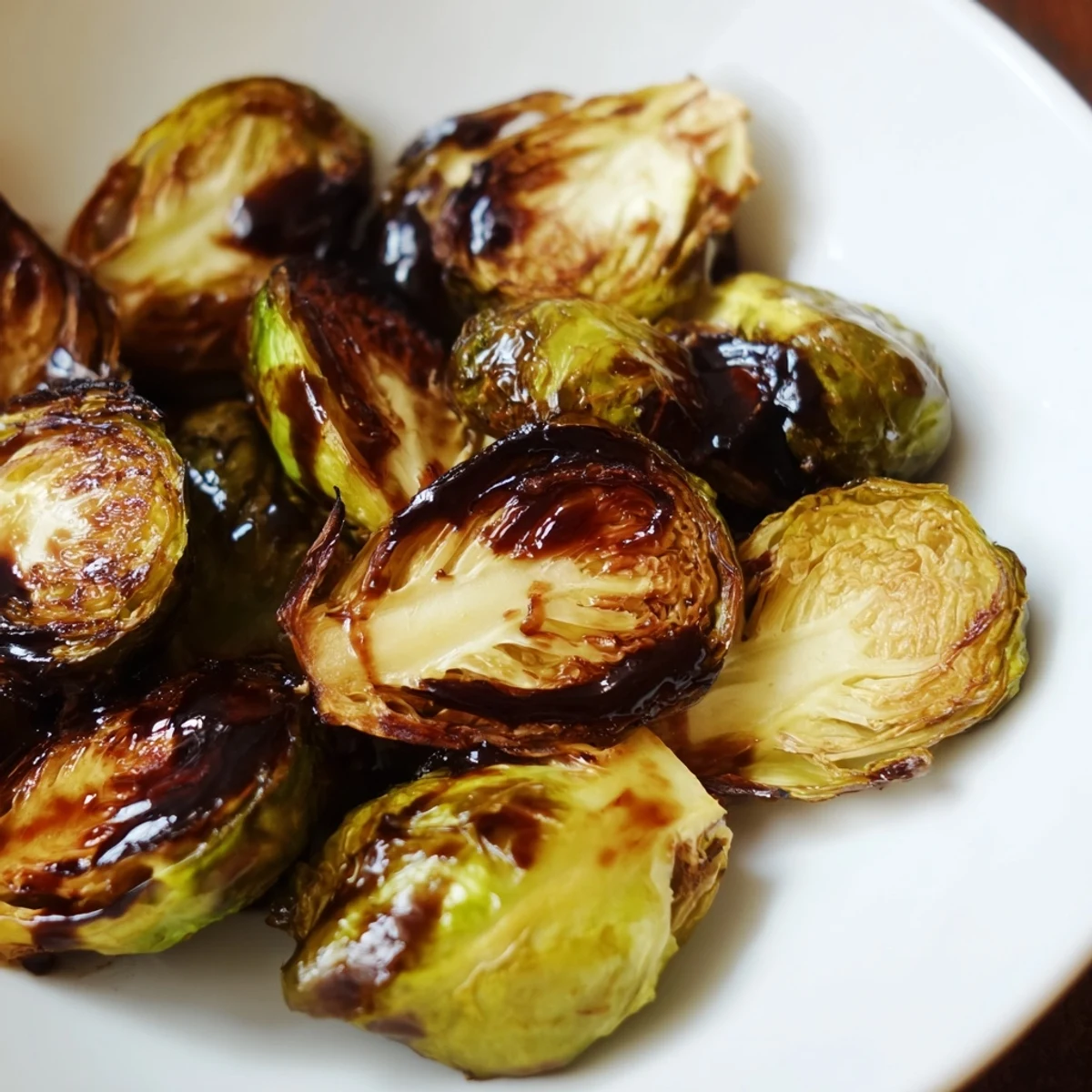
 Roasted Brussels sprouts deliver crispy, caramelized edges when cooked cut-side down at 425°F for 20-25 minutes. Meanwhile, simmer balsamic vinegar with honey until reduced by half into a glossy glaze. Toss the roasted sprouts with the warm glaze for a tangy-sweet coating. This vegetarian side takes just 35 minutes total and serves four, making it ideal for weeknight dinners or special occasions.
The first time I roasted Brussels sprouts, the transformation from those little green cabbages I once avoided to caramelized gems absolutely floored me. Standing in my kitchen on a crisp fall evening, the sweet-savory aroma filling every corner as they turned golden in the oven, I knew I'd discovered something special. The addition of that sticky balsamic glaze happened by happy accident when I was trying to use up pantry ingredients during a particularly stormy weekend.
Last Thanksgiving, my brother-in-law who notoriously avoids anything green actually asked for seconds of these Brussels sprouts. The table went silent as everyone watched him pile more onto his plate, and then my sister started laughing because shed been trying to get him to eat vegetables for years. Sometimes good food breaks down the strongest resistances, and now this dish has become our holiday peace treaty.
Ingredients
- Brussels Sprouts: Look for bright green, tightly packed sprouts with minimal yellowing on the outer leaves, and dont shy away from the larger ones which often have a sweeter flavor when roasted.
- Balsamic Vinegar: Use a decent quality balsamic that youd be happy to drizzle on salad, as the flavor concentrates significantly when reduced into a glaze.
- Honey or Maple Syrup: This small addition balances the acidity of the vinegar and helps achieve that perfect sticky glaze that clings beautifully to the roasted sprouts.
- Olive Oil: The fat that helps achieve that gorgeous caramelization, so dont skimp here if you want truly crispy edges.
Instructions
- Prep Your Sprouts:
- Trim the woody ends and remove any discolored outer leaves before halving them through the stem. The flat cut surface is where all that beautiful caramelization happens, so make sure its clean and even.
- Season Generously:
- Toss the halved sprouts with olive oil, salt, and pepper, using your hands to ensure every piece gets coated. I like to rub the seasonings into the cut surfaces for maximum flavor penetration.
- Arrange Strategically:
- Place them cut-side down on your baking sheet, giving them plenty of space to breathe. Crowded sprouts will steam rather than roast, and youll miss out on that wonderful crispiness.
- The Halfway Flip:
- When you stir them halfway through roasting, use a spatula to make sure any sprouts that are browning too quickly move to the center of the pan. That gentle shuffle can make the difference between perfectly caramelized and sadly burnt.
- Create The Glaze:
- Keep a close eye on your balsamic reduction as it can go from perfectly syrupy to burnt quite quickly. Youll know its ready when it coats the back of a spoon and leaves a clear path when you run your finger through it.
- The Final Toss:
- Drizzle the glaze while both the sprouts and sauce are still warm for the best coverage. A gentle toss with tongs ensures every piece gets dressed without breaking apart your beautifully roasted vegetables.
 Save to Pinterest
 A few winters ago during a power outage, I served these Brussels sprouts at room temperature alongside some crusty bread and cheese. We ate by candlelight, using our fingers and laughing as the balsamic glaze left sticky prints on our wine glasses. Something about that night made this simple vegetable dish feel like comfort food, proving that sometimes the most humble ingredients create the most memorable meals.
Making It Ahead
Ive learned that you can prep the Brussels sprouts up to a day in advance, storing them in a sealed container in the refrigerator. The balsamic glaze can also be made ahead and gently reheated, though youll want to roast the sprouts just before serving for that optimal texture contrast between crispy exterior and tender interior.
Seasonal Variations
During autumn, I love adding a handful of dried cranberries to the finished dish, their tartness playing beautifully against the sweet balsamic. In winter months, a sprinkle of pomegranate seeds brings festive color and juicy bursts that complement the caramelized vegetables in surprising ways.
Serving Suggestions
These Brussels sprouts pair wonderfully with rich main dishes like roasted chicken or grilled steak, the acidity from the balsamic cutting through fattier proteins. For a complete vegetarian meal, I serve them alongside creamy polenta or risotto where the textures create a satisfying contrast.
- For an elevated appetizer, spear individual glazed sprouts with toothpicks and serve with a small bowl of whipped goat cheese for dipping.
- Leftover roasted sprouts make an incredible addition to grain bowls or warm salads the next day, especially with a soft boiled egg on top.
- If serving at a potluck, bring the roasted sprouts and glaze separately, combining them just before serving to maintain maximum crispiness.
 Save to Pinterest
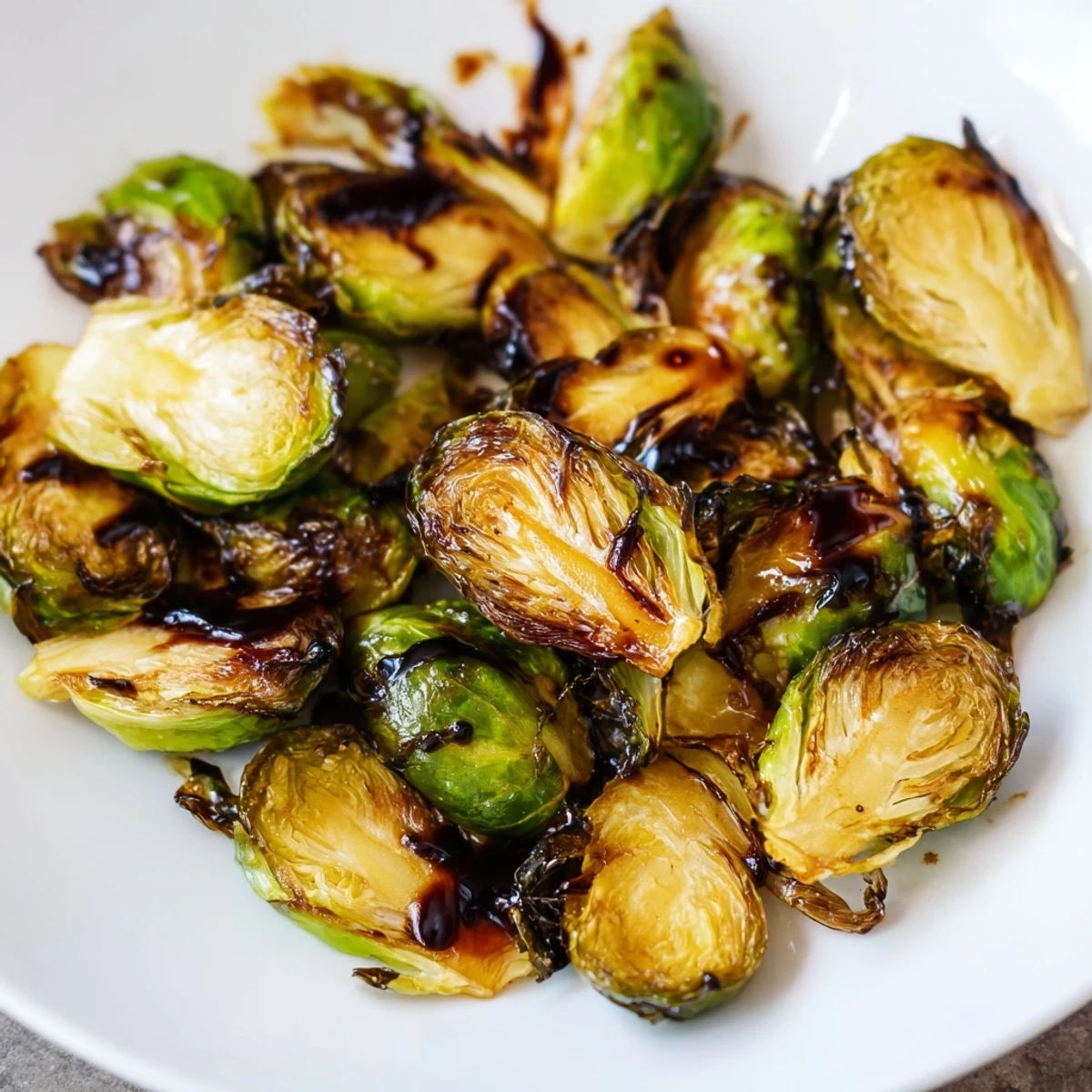
 These balsamic-glazed Brussels sprouts have taught me that simple cooking often yields the most satisfying results. In transforming an often-maligned vegetable into something craveworthy, theres a little culinary magic that makes every batch feel special.
Recipe FAQs
- → How do I get Brussels sprouts crispy on the outside?
-
Place halved Brussels sprouts cut-side down on the baking sheet without moving them for the first 15 minutes. This direct contact with heat creates golden, caramelized exteriors. Stir halfway through the remaining cooking time for even browning.
- → Can I prepare the balsamic glaze ahead of time?
-
Yes, you can make the glaze up to 2 days in advance and store it in an airtight container in the refrigerator. Warm it gently before drizzling over freshly roasted sprouts for best flavor.
- → What's the best way to trim Brussels sprouts?
-
Rinse sprouts under cold water and pat dry. Trim the stem end and remove any yellowed or damaged outer leaves. Halve them lengthwise, keeping the core intact so they hold together during roasting.
- → How thick should the balsamic glaze be when done?
-
The glaze should coat the back of a spoon and drip slowly when reduced by half. It will thicken further as it cools, so remove it from heat when it's slightly thinner than your desired consistency.
- → Can I make this without honey or maple syrup?
-
Yes, you can use just balsamic vinegar and let it reduce by half, though it will be more acidic. Alternatively, add a pinch of sugar or brown sugar to balance the tanginess.
- → What additions would complement this dish?
-
Toasted nuts like walnuts or pecans add textural contrast, while grated Parmesan or crumbled feta contribute savory depth. For heat, try a pinch of red pepper flakes or fresh garlic.