 Save to Pinterest
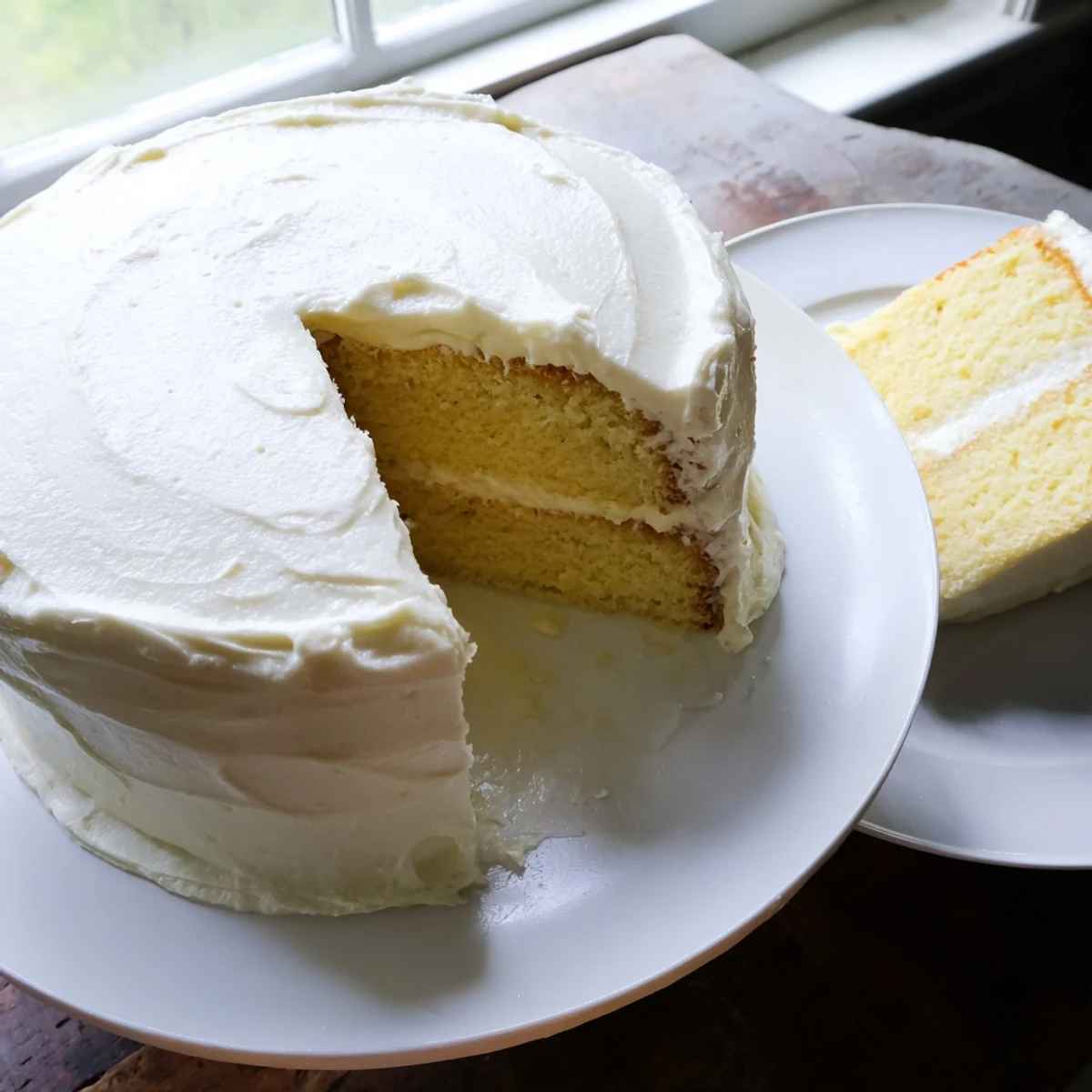
 Create a classic vanilla cake that's light, moist, and perfect for any occasion. This beloved American dessert features tender layers infused with pure vanilla extract, topped with silky vanilla buttercream frosting. The straightforward method yields professional results every time, making it ideal for birthday celebrations, special gatherings, or weekend baking.
The batter comes together easily with pantry staples, while the creamy frosting provides the perfect sweet finish. Each slice delivers that beloved vanilla flavor everyone loves.
There was a Tuesday afternoon last spring when I decided to bake a cake just because the kitchen felt too quiet. The vanilla scent drifting through the apartment made my roommate emerge from her room asking what special occasion I was hiding, and I admitted it was just a regular day that needed elevating. That first bite of fluffy vanilla perfection with swirls of buttercream convinced me some desserts deserve no reason at all.
I made this recipe for my sisters birthday last month, and she actually stopped mid conversation after her first slice to tell me this was the best vanilla cake she had ever tasted. Watching her scrape the last bit of frosting off her plate reminded me why I bother with the extra steps of room temperature ingredients and precise mixing times.
Ingredients
- All-purpose flour: The backbone of your cake structure, measured properly either by weight or spoon and level method
- Baking powder: This gentle leavener gives the cake its rise without any metallic aftertaste
- Salt: A half teaspoon might seem insignificant but it balances and intensifies every sweet note
- Unsalted butter: Room temperature butter creates the perfect air pockets for a tender crumb, and using unsalted lets you control the salt level
- Granulated sugar: Creamed with butter, this creates the tiny air bubbles that make the cake light rather than dense
- Large eggs: Room temperature eggs emulsify better into the batter, creating a more uniform texture
- Pure vanilla extract: Worth the extra cost, the real stuff makes all the difference between a cake that tastes like vanilla and one that merely hints at it
- Whole milk: Full fat milk adds richness and helps create that tender moist crumb everyone loves
- Butter for buttercream: Again, room temperature is non negotiable here for silky smooth frosting
- Powdered sugar: Sifting first prevents any lumps in your perfectly smooth buttercream
Instructions
- Get your oven and pans ready:
- Preheat your oven to 350°F and thoroughly grease two round cake pans, adding parchment paper circles to the bottom for absolutely foolproof removal
- Whisk the dry ingredients together:
- In a medium bowl, combine flour, baking powder, and salt until everything is evenly distributed
- Cream the butter and sugar:
- Beat softened butter with sugar for a full three to four minutes until noticeably lighter and fluffy, building the foundation for texture
- Add the eggs and vanilla:
- Drop in eggs one by one, letting each fully incorporate before adding the next, then mix in vanilla until fragrant
- Combine wet and dry:
- Alternate adding flour mixture and milk to your butter mixture, beginning and ending with flour, stopping the instant everything comes together
- Bake until perfect:
- Divide batter between your prepared pans, smooth the tops, and bake for about 30 minutes until a toothpick emerges clean
- Make the buttercream:
- Beat butter until creamy, gradually incorporate sifted powdered sugar with milk and vanilla, then whip until silky and spreadable
- Frost like a pro:
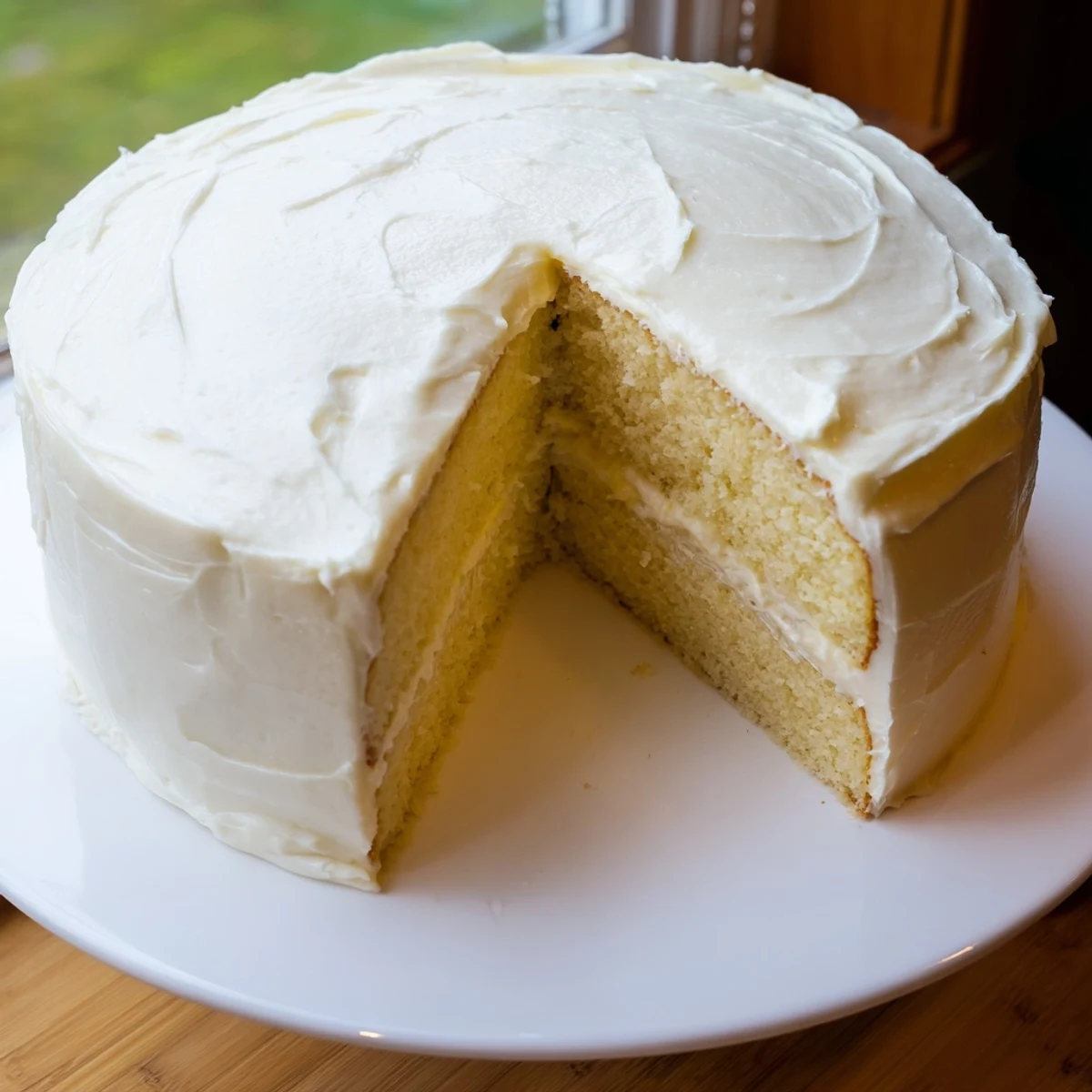
- Wait until cakes are completely cool, then spread buttercream between layers and over the top and sides
 Save to Pinterest
 This cake has become my go to for office potlucks after a coworker actually asked for the recipe, then brought me a specialty vanilla extract the following week as a thank you. There is something satisfying about watching people close their eyes when they take that first bite of familiar comfort.
The Temperature Factor
Room temperature ingredients are not optional here. Cold eggs and milk can cause the butter to seize and curdle, resulting in a dense, uneven texture. I learned this the hard way when I tried to rush through a birthday cake one morning and ended up with something that looked more like a pancake than a layer cake.
Making It Your Own
While this vanilla cake is perfect on its own, I have found that simple additions can make it feel completely new. Sometimes I fold fresh berries into the batter before baking, or brush the cooled layers with a simple syrup for extra moisture. The buttercream takes flavor beautifully too, from almond extract to lemon zest to melted chocolate.
Storage And Make Ahead Wisdom
Fully frosted cakes keep well at room temperature for two days, covered to prevent drying. For longer storage, refrigerate wrapped tightly. Unfrosted layers freeze beautifully for up to two months, wrapped in plastic and foil, then thawed still wrapped to prevent condensation on the cake surface.
- Always bring chilled cake to room temperature before serving
- Buttercream sets firmer in the fridge, so let it soften slightly for easy slicing
- Never frost a frozen cake or condensation will ruin your perfect work
 Save to Pinterest
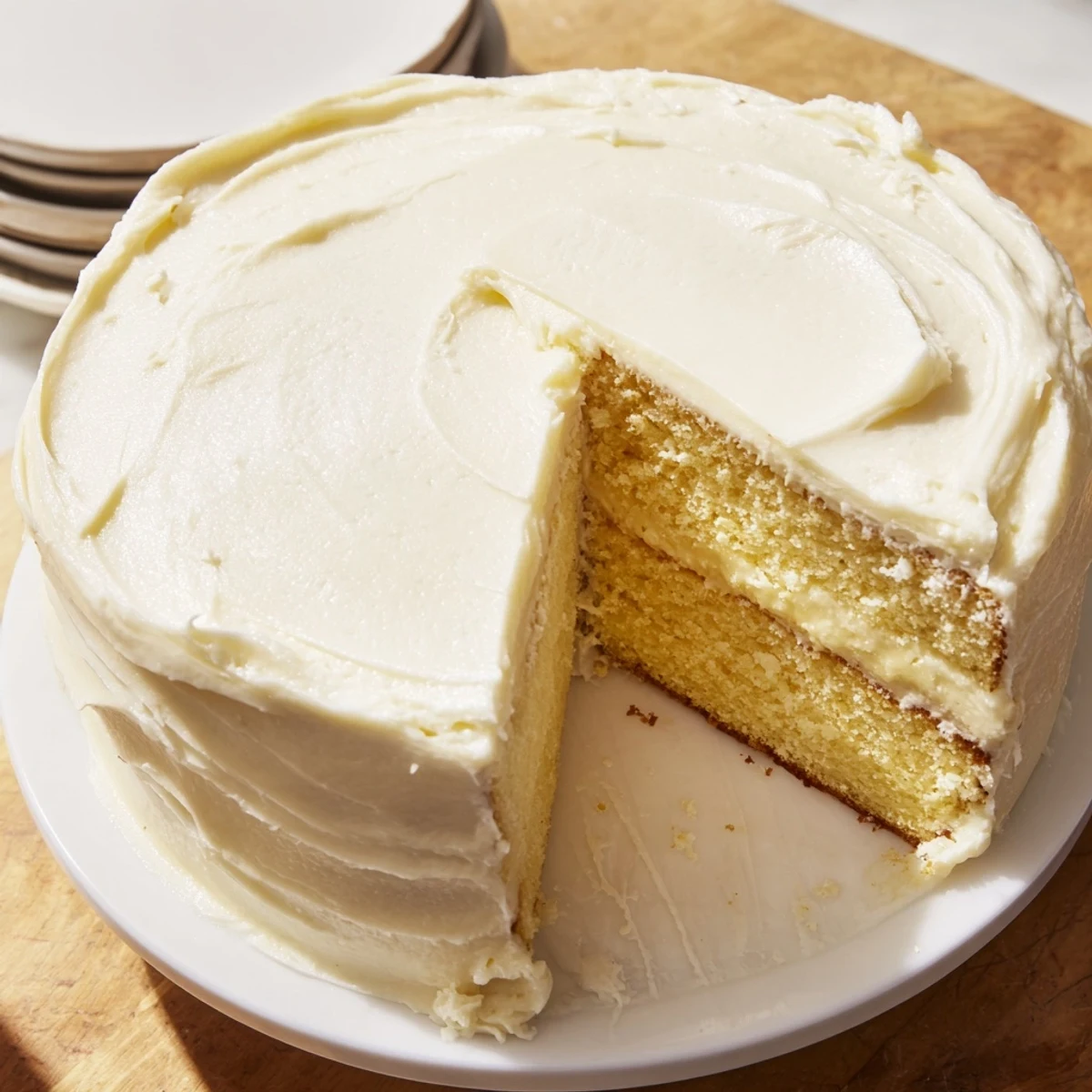
 There is a quiet confidence that comes from mastering a classic vanilla cake, the kind that lets you show up to any gathering knowing you are bringing something people will remember.
Recipe FAQs
- → How do I know when the cake is done baking?
-
Insert a toothpick into the center of the cake. If it comes out clean or with just a few moist crumbs, the cake is ready. The edges should also pull slightly away from the pan sides.
- → Can I make the layers ahead of time?
-
Yes, bake and cool the layers completely, then wrap tightly in plastic wrap and freeze for up to 2 months. Thaw overnight at room temperature before frosting.
- → Why is my cake dense instead of light?
-
Overmixing the batter can create a dense texture. Mix until just combined after adding the flour mixture. Also ensure ingredients are at room temperature for proper aeration.
- → Can I use salted butter instead of unsalted?
-
Yes, simply reduce the added salt in the cake by half. For the frosting, omit the pinch of salt entirely if using salted butter.
- → How should I store the finished cake?
-
Keep at room temperature under a cake dome or covered for up to 3 days. For longer storage, refrigerate in an airtight container for up to a week, though bring to room temperature before serving.
- → Can I make this as a single-layer cake?
-
Yes, use a 9x13-inch pan and bake for 35-40 minutes. The frosting quantity will be generous, so you can halve the buttercream recipe or use the extra between cupcakes.