 Save to Pinterest
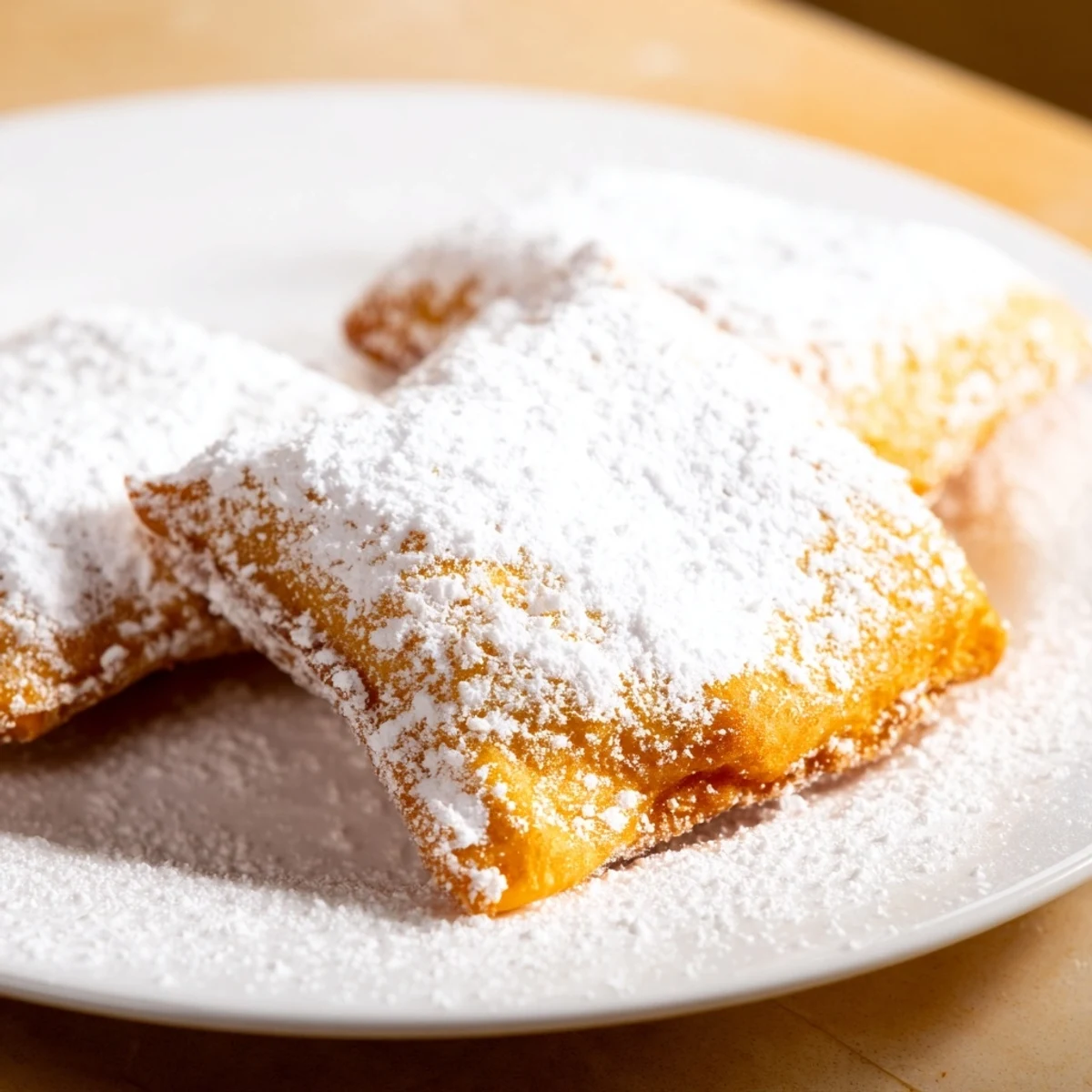
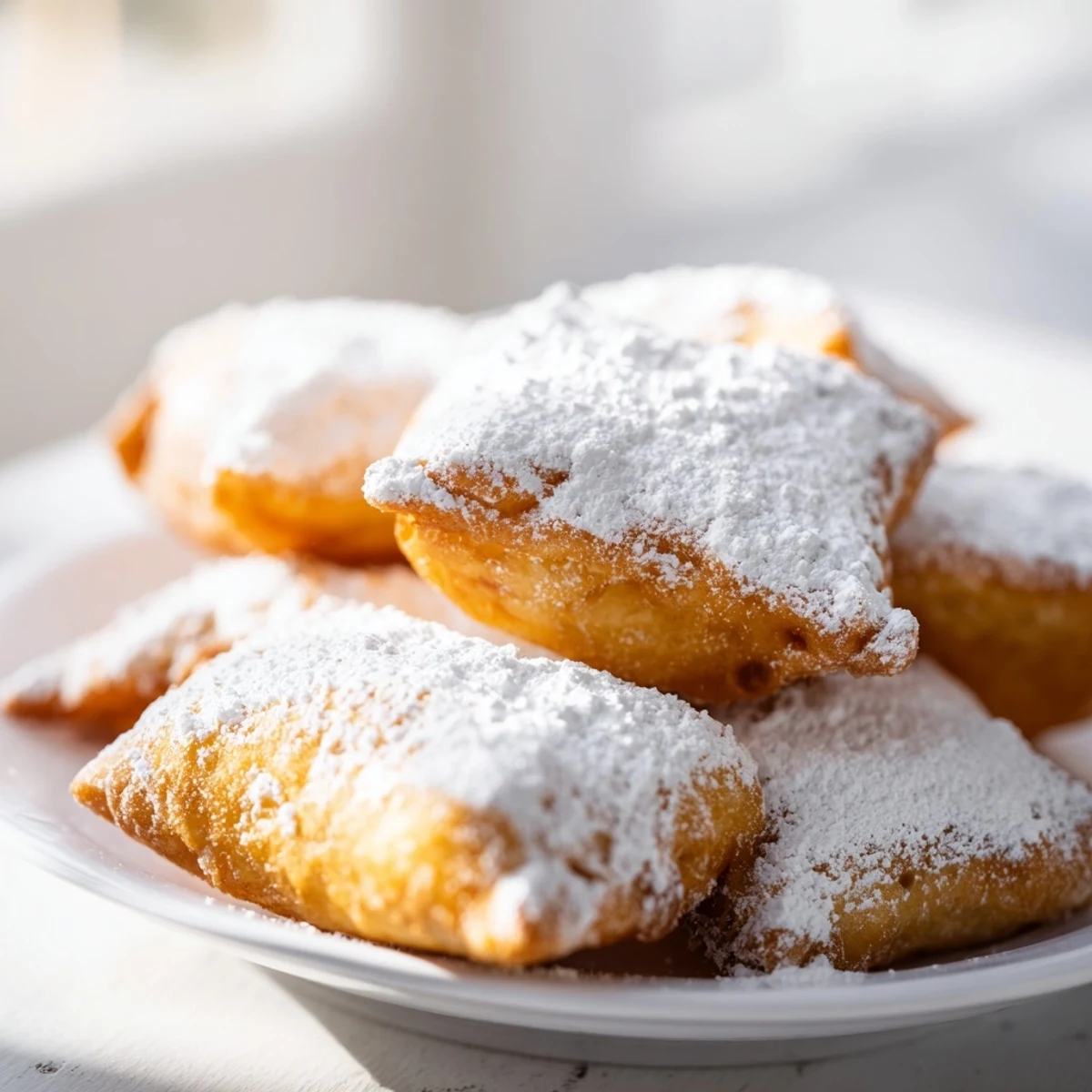
 Experience a festive delight with golden fried dough that’s light and fluffy. Made from a soft yeast dough, it’s fried until crisp and tender then generously dusted with powdered sugar. Perfect for celebrations or enjoyed fresh as a sweet treat, this easy-to-make dish combines simple ingredients like milk, butter, and flour with a warm frying technique. Enhance flavor by adding spices or serving with chocolate or fruit preserves. Ideal for sharing with family and friends.
The air in my tiny kitchen was already thick with humidity when I decided to make beignets on a rainy Tuesday afternoon. I'd just returned from a weekend in New Orleans, still carrying the ghost of sugar on my clothes and the memory of Café du Monde's line stretching around the block. My roommate wandered in, drawn by the yeast blooming in warm water, and asked if we were really having fried dough for dinner. I told her some days call for powdered sugar before vegetables, and she didn't argue.
Last year during Mardi Gras, I tripled this recipe for friends who'd never had proper beignets before. Watching them take that first bite, powdered sugar dusting their dark sweaters like fresh snow, I remembered why food memory sticks longer than almost anything else. One friend quietly ate three before admitting he'd never understood the fuss about fried dough until right that second.
Ingredients
- Active dry yeast: One packet does the trick, but make sure your water is warm to the touch, not hot, or you'll kill the yeast before it can work its magic
- Whole milk: Warming this slightly helps everything blend together, but don't let it get too hot or it will scramble your egg when you mix them
- All-purpose flour: You might need slightly more or less depending on humidity, so trust your hands when the dough tells you it's done
- Vegetable oil: A neutral oil with a high smoke point is essential here—save your fancy olive oil for salads, not frying
- Powdered sugar: Don't be shy with this part—the classic New Orleans experience involves wearing as much sugar as you eat
Instructions
- Wake up the yeast:
- Dissolve the yeast in warm water and wait about five minutes until it's foamy and alive, which tells you it's ready to make your dough rise
- Mix the wet ingredients:
- Combine the warmed milk, sugar, egg, and melted butter in a large bowl, then stir in your awakened yeast mixture until everything is incorporated
- Build the dough:
- Add the flour and salt, mixing until a soft dough forms, then turn it onto a floured surface and knead for about three or four minutes until it feels smooth and elastic like a satisfied cat
- Let it rise:
- Place your dough in a lightly greased bowl, cover it, and leave it alone in a warm place for an hour until it's doubled in size and puffy with possibility
- Shape and cut:
- Punch down the risen dough and roll it out to a quarter-inch thickness, then cut it into squares or rectangles that will puff up beautifully in the hot oil
- Fry until golden:
- Heat your oil to 350°F and fry the dough pieces in batches, turning once, until they're puffed and golden brown on both sides
- Sugar shower:
- Remove the fried pieces with a slotted spoon and drain them on paper towels, then dust generously with powdered sugar while they're still warm
 Save to Pinterest
 My grandmother would have called these 'special occasion food,' but I've learned that sometimes making a Tuesday feel like Mardi Gras is its own special occasion. The first time I made them for my kids, they stood on stools at the counter, waiting for each batch to come out of the oil, sugar already coating their fingertips in anticipation.
Getting The Rise Right
Yeast can be finicky, but it's also surprisingly forgiving if you pay attention to the basics. I've learned that a warm, draft-free corner is worth hunting for, and that patience during the rise pays off in the lightest, airiest finished product.
Frying Without Fear
Deep frying intimidates so many home cooks, but it's really about temperature control and not crowding the pot. The first few times I made these, I hovered over the oil like a nervous parent, but now I understand the rhythm of when to flip and when to remove each piece.
Making It Your Own
While the classic beignet is perfect as is, there's room to play once you've mastered the basic technique. A pinch of cinnamon in the dough or a dusting of mixed spices with the sugar can transform these into something entirely new while keeping the spirit of the original.
- A chocolate dipping sauce turns these into an instant dessert course
- Try adding fruit preserves on the side for a sweet contrast
- Leftovers (if you somehow have them) can be split and filled like tiny sandwiches
 Save to Pinterest
 Some recipes are just meant to be shared while they're still warm, surrounded by the people who make ordinary days feel worth celebrating.