 Save to Pinterest
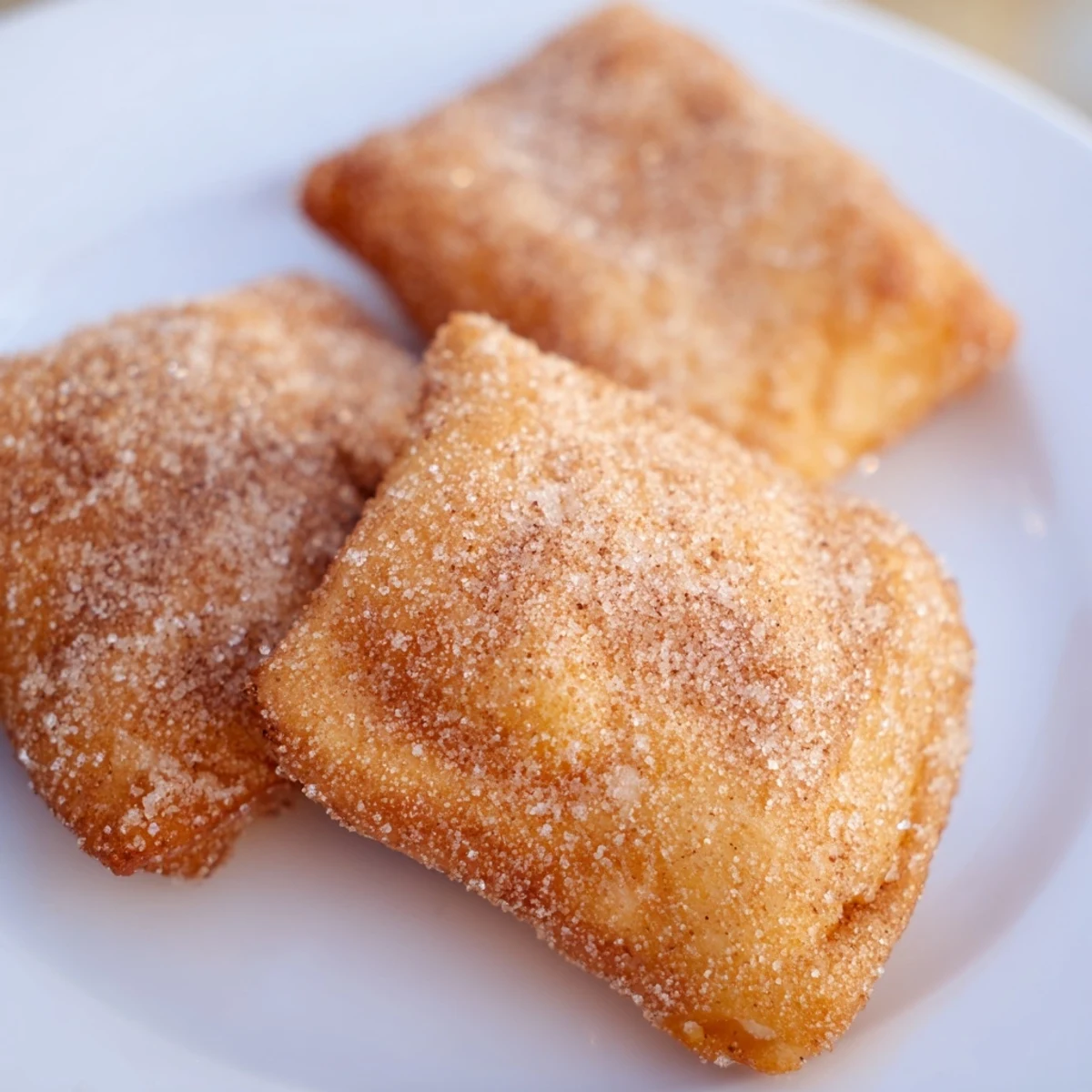
 This festive dish features golden, pillowy dough pieces fried to perfection and coated generously with sugar and optional cinnamon. The dough is made with simple pantry ingredients like flour, eggs, milk, and butter, creating a soft, slightly sweet base. Deep frying ensures a crisp exterior while maintaining a tender interior. The final touch is a dusting of granulated sugar, offering a delightful contrast in texture and sweetness. Ideal for celebrations, this treat pairs wonderfully with coffee or hot chocolate to complete a warm, comforting experience.
The steam from the paper bag still clouded my glasses as I walked down Bourbon Street, powdered sugar already dusting my black sweater like I'd been caught in a sweet snowstorm. That first bite of warm, pillowy beignet—crispy outside, cloud-soft inside—made me understand immediately why New Orleans treats these like sacred offerings. I've been chasing that perfect texture ever since, tweaking flour ratios and oil temperatures until my kitchen started smelling like a French Quarter morning.
Last Fat Tuesday, my tiny apartment became command central for an impromptu Mardi Gras gathering. I stood over my dutch oven like a sentry, carefully monitoring each batch while friends kept trying to steal still-warm pieces straight from the cooling rack. By midnight, we'd demolished three batches and I was quietly plotting how soon I could justify making them again—maybe for breakfast? No one judged.
Ingredients
- All-purpose flour (2 ½ cups): The foundation that gives these their structure—too little and they'll collapse in the oil, too much and they'll be dense. Measure by weight if possible for consistent results.
- Granulated sugar (2 tbsp): Just enough sweetness in the dough itself without interfering with the rise. The real sugar party happens after frying anyway.
- Baking powder (1 tsp): This is what creates those gorgeous air pockets inside. Make sure yours is fresh—old baking powder won't give you the puff you're after.
- Salt (½ tsp): Don't skip this. It balances all that sugar and makes the vanilla really sing.
- Large eggs (2): Room temperature eggs incorporate better into the dough, creating a more uniform texture.
- Whole milk (⅔ cup): The fat content here matters—skim milk won't give you the same richness or tender crumb.
- Unsalted butter (2 tbsp), melted: Adds flavor and keeps the dough tender. Let it cool slightly before mixing so it doesn't scramble your eggs.
- Vanilla extract (1 tsp): Pure vanilla makes a noticeable difference here. This is one of those simple recipes where quality ingredients really shine through.
- Vegetable oil (4 cups): Canola or peanut oil work best—they have neutral flavors and high smoke points. Save your fancy olive oil for something else.
- Granulated sugar (1 cup) for coating: The finish that makes these addictive. Some people add cinnamon, but I'm a purist most days.
Instructions
- Mix the dry foundation:
- Whisk flour, sugar, baking powder, and salt in a large bowl until everything is evenly distributed. This step seems simple but it's crucial—you don't want clumps of baking powder in your finished dough.
- Combine the wet ingredients:
- Beat eggs in a separate bowl until slightly frothy, then whisk in milk, melted butter, and vanilla until smooth. The mixture should look creamy and uniform.
- Bring it together:
- Pour wet ingredients into dry and stir with a wooden spoon until a shaggy dough forms. If it sticks to everything, add flour one tablespoon at a time until you can handle it without losing your mind.
- Knead gently:
- Turn onto a floured surface and knead just until smooth—about 2 to 3 minutes. Don't overwork it or these will be tough instead of tender.
- Roll and cut:
- Roll to ¼ inch thickness and cut into squares or diamonds. I like using a pastry wheel for those classic diamond shapes, but honestly they taste just as good as rectangles.
- Heat the oil properly:
- Bring oil to 350°F—if you don't have a thermometer, test with a small piece of dough. It should sizzle immediately and rise to the surface within seconds.
- Fry to golden perfection:
- Cook in batches, turning once, until puffed and deeply golden—about 2 to 3 minutes per side. Crowding the pan drops the oil temperature, which leads to greasy, sad dough.
- Drain and coat immediately:
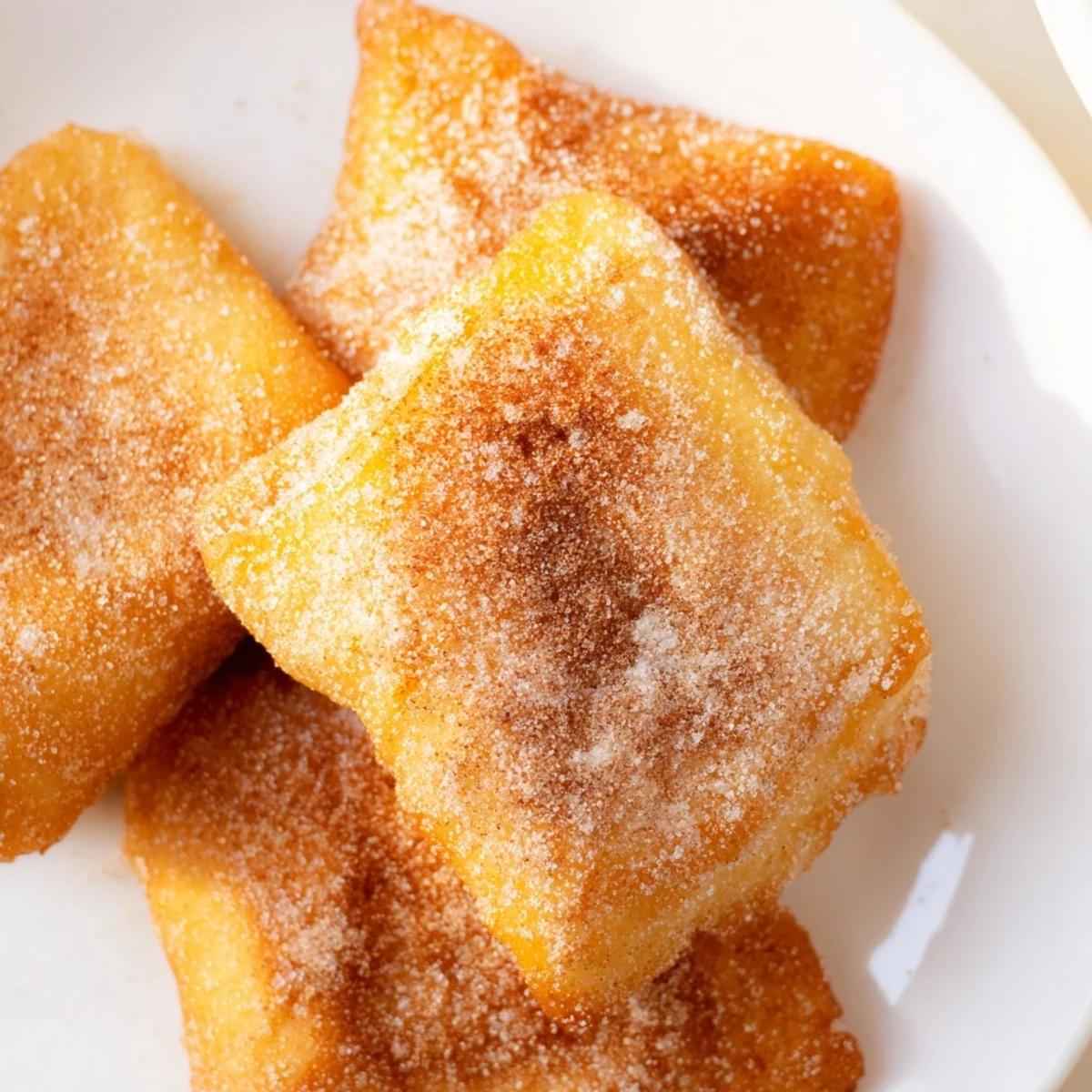
- Lift pieces with a slotted spoon and let drain briefly on paper towels, then toss in sugar while still warm so it sticks properly. This timing makes all the difference.
 Save to Pinterest
 My dad called me from his kitchen the other day, breathless with excitement because he'd finally nailed the technique after years of making heavy, doughy versions. There's something deeply satisfying about sharing food traditions across generations, even when those traditions involve deep frying and copious amounts of sugar.
Getting The Rise Right
The baking powder does the heavy lifting here, creating carbon dioxide bubbles when it hits the hot oil. This is why the dough puffs up so dramatically. If your baking powder is old or you didn't mix it thoroughly into the flour, you'll end up with flat, disappointing results. I always date my baking powder container with a marker so I know when to replace it.
Oil Management Secrets
Proper oil temperature isn't just about burning or not burning—it's about creating that perfect texture gradient. At 350°F, the outside crisps almost instantly while the inside steams from the moisture in the dough, creating that cloud-like interior. If your oil runs too cool, the dough absorbs oil instead of crisping, and you end up with something that feels heavy in your stomach.
Shape And Size Considerations
Traditional squares or diamonds work beautifully because the corners get extra crispy while the center stays pillowy. I've found that keeping pieces around 3 inches gives you the best surface-area-to-soft-center ratio. Too big and they won't cook through before burning; too small and you lose that satisfying fluffy middle.
- A pizza cutter makes cleaner cuts than a knife if you don't have a pastry wheel
- Don't worry about perfect shapes—imperfect ones still taste amazing and look more rustic
- If dough springs back while rolling, let it rest for 5 minutes and try again
 Save to Pinterest
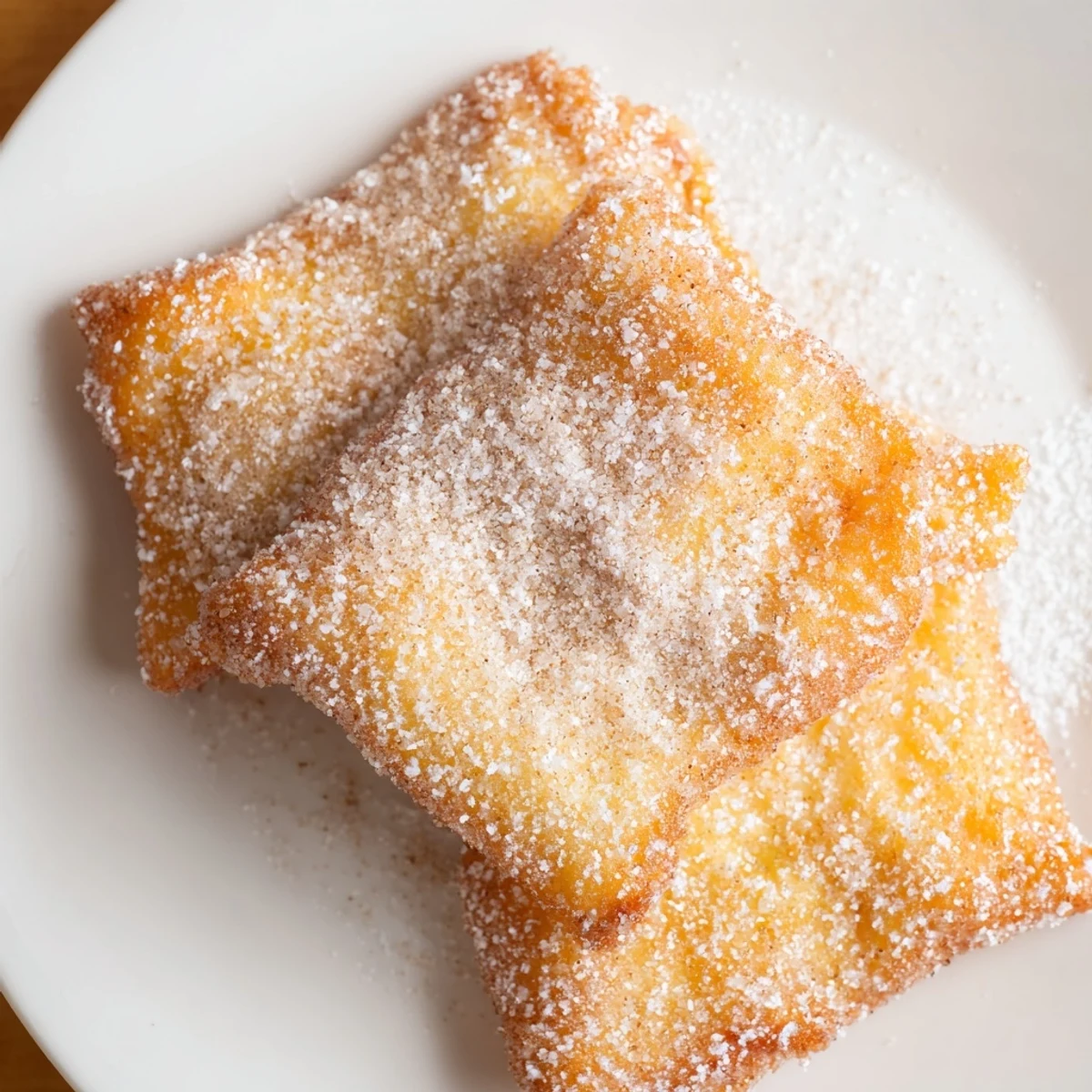
 Whether you're celebrating Mardi Gras or just need something that makes your kitchen feel like a celebration, these fried dough squares deliver pure happiness. Grab some coffee, call a friend, and fry yourself a little joy.
Recipe FAQs
- → What type of flour is best for the dough?
-
All-purpose flour works best, providing the right balance of structure and tenderness for frying.
- → Can I add flavors to the dough?
-
Yes, adding nutmeg or lemon zest can enhance the aroma and depth of flavor in the dough.
- → How do I achieve the perfect golden color?
-
Fry the dough pieces at 350°F (175°C) until puffed and golden brown, about 2-3 minutes per side.
- → Is cinnamon necessary in the sugar coating?
-
No, cinnamon is optional but adds a warm, spicy note that complements the sugar coating beautifully.
- → What is the best way to serve this treat?
-
Serve immediately after coating with sugar for the best texture, paired with coffee or hot chocolate.
- → Can these be made ahead of time?
-
They are best enjoyed fresh, but room temperature storage for a few hours is possible though crispy texture may lessen.