 Save to Pinterest
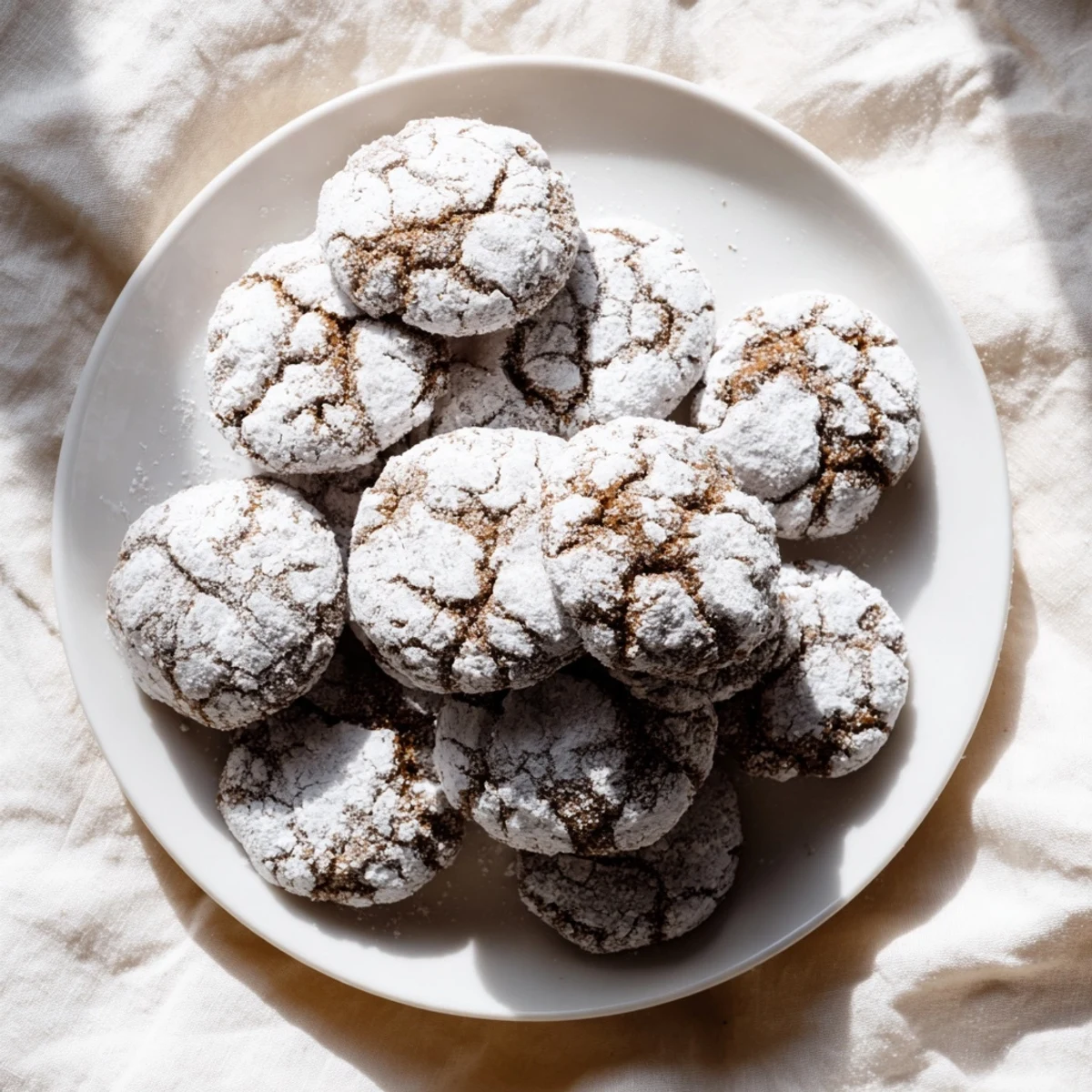
 These soft gingerbread cookies feature warming spices like ginger, cinnamon, cloves, and nutmeg combined with rich molasses. The dough requires chilling for the best texture, then gets rolled in granulated and powdered sugar to create that signature crinkle pattern as they bake. Ready in about an hour from start to finish, these make 24 cookies perfect for holiday gatherings, cookie exchanges, or winter comfort snacking.
The first time I made gingerbread crinkle cookies, my kitchen smelled like everything cozy about December. My roommate walked in and asked if I'd secretly become a grandmother, which I took as the highest compliment. Those crinkly little cracks in the powdered sugar coating look like snow on rooftops, and honestly, they taste even better than they look.
Last year I brought a batch to a cookie swap and watched them disappear within twenty minutes. Someone actually asked if I'd ordered them from a bakery, which made me laugh because the recipe is so deceptively simple. Now they're my go-to whenever I need something that feels impressive but requires zero special skills.
Ingredients
- 2 1/4 cups all-purpose flour: This creates the perfect structure—too little and they spread too thin, too much and they lose that tender bite
- 1 tsp baking soda: The key lift for those beautiful cracks as they bake
- 2 tsp ground ginger: Fresh is best here, but even a good supermarket brand will give you that classic gingerbread kick
- 1 tsp ground cinnamon: Warm and familiar, this balances the sharper spices
- 1/4 tsp ground cloves: A little goes a long way—this is the secret depth note
- 1/4 tsp ground nutmeg: Adds a subtle sweetness that rounds out the spice blend
- 1/4 tsp salt: Don't skip this, it makes all the flavors pop
- 1/2 cup unsalted butter, room temperature: Soft enough to leave a fingerprint but not melting—this temperature matters more than you'd think
- 1/2 cup packed brown sugar: Dark brown gives deeper flavor and extra chewiness
- 1/4 cup unsulphured molasses: This is non-negotiable for real gingerbread flavor—honey or maple syrup just won't give you the same soul
- 1 large egg: Room temperature eggs incorporate better and prevent a curdled looking dough
- 1 tsp vanilla extract: Pure vanilla, not imitation, makes a difference you can taste
- 1/2 cup granulated sugar: This first layer helps the powdered sugar adhere and creates texture contrast
- 1/2 cup powdered sugar: The snow coat—be generous here for that dramatic crinkle effect
Instructions
- Whisk the dry ingredients:
- In a medium bowl, combine flour, baking soda, ginger, cinnamon, cloves, nutmeg, and salt until everything looks evenly distributed and fragrant.
- Cream the butter and sugar:
- Beat butter and brown sugar in a large bowl until the mixture turns pale and fluffy, about 2 to 3 minutes—you'll notice it lighten in color and texture.
- Add the wet ingredients:
- Pour in the molasses, crack in the egg, and add vanilla, beating until the mixture looks smooth and glossy.
- Combine everything:
- Gradually stir in the dry ingredients, mixing just until you no longer see flour streaks—overmixing makes tough cookies.
- Chill the dough:
- Cover the bowl and refrigerate for at least 30 minutes, though an hour is even better for preventing spread.
- Preheat and prep:
- Heat your oven to 350°F and line two baking sheets with parchment paper so nothing sticks later.
- Roll into balls:
- Scoop tablespoon portions of chilled dough and roll them into smooth balls with your palms.
- Double sugar coating:
- Roll each ball first in granulated sugar, then generously coat in powdered sugar until completely white.
- Arrange for baking:
- Place the sugar-coated balls 2 inches apart on your prepared baking sheets.
- Bake to perfection:
- Bake for 10 to 12 minutes, removing them when the centers still feel slightly soft but the edges are set.
- Cool completely:
- Let the cookies rest on the baking sheets for 5 minutes, then transfer them to a wire rack to finish cooling.
 Save to Pinterest
 My niece helped me make these last weekend and kept sneaking tastes of the dough, convinced she needed to quality check every batch. They came out beautifully cracked and she was so proud telling everyone she'd made them herself.
Getting the Perfect Crinkle
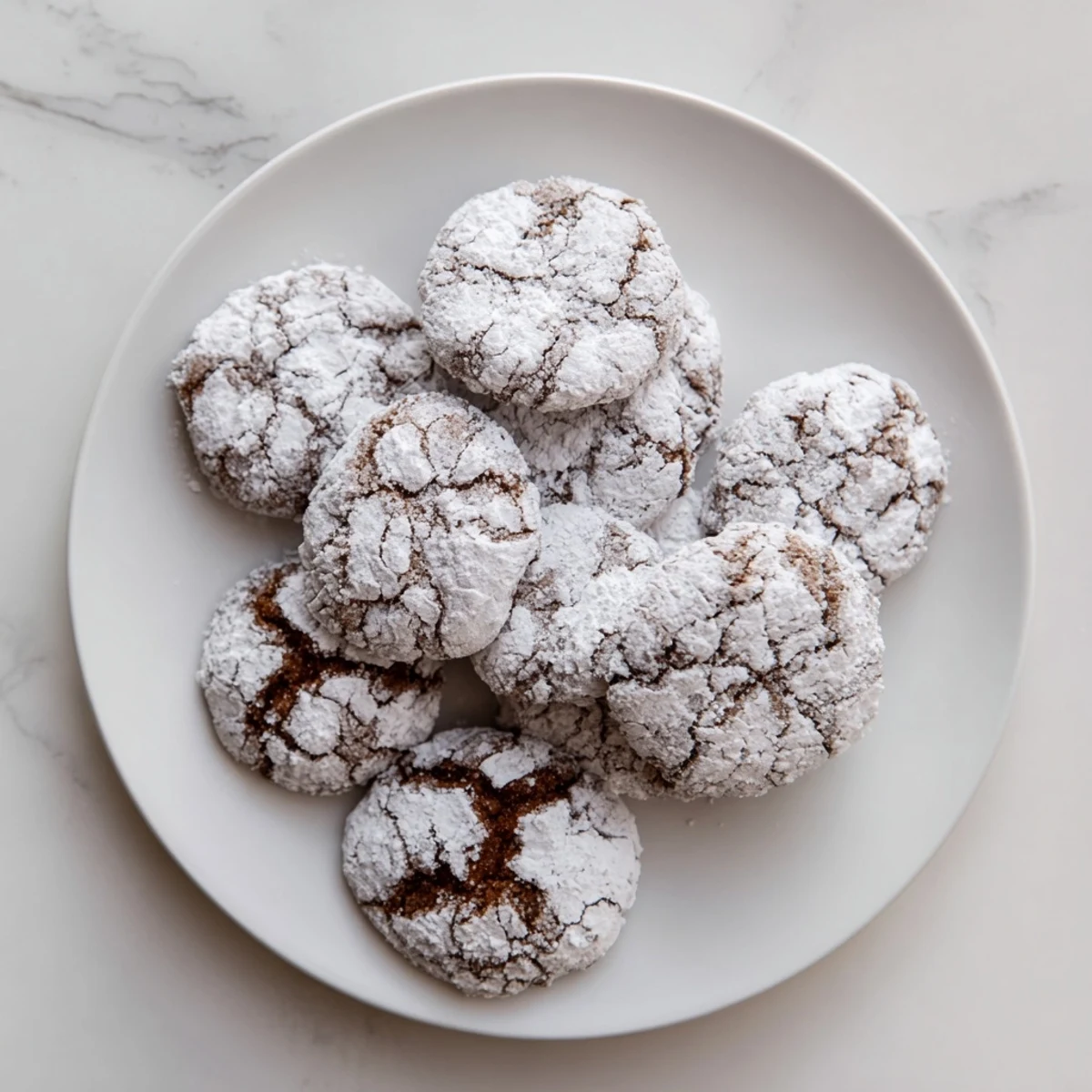
The crackle effect happens because the powdered sugar coating sinks into the expanding dough as it bakes. If your cookies aren't cracking dramatically, try rolling them in a thicker layer of powdered sugar or baking them an extra minute.
Make-Ahead Magic
The dough actually develops deeper flavor if it sits in the refrigerator overnight. I've made dough on Sunday and baked fresh cookies on Monday, and they somehow taste even better than the same-day version.
Serving Suggestions
These cookies pair beautifully with anything warm and comforting. A mug of hot chocolate with marshmallows might be my favorite combination.
- Tuck one into a mug of hot coffee for a dunking companion
- Stack them on a festive plate for holiday gifting
- Store in an airtight container with a slice of bread to keep them soft
 Save to Pinterest
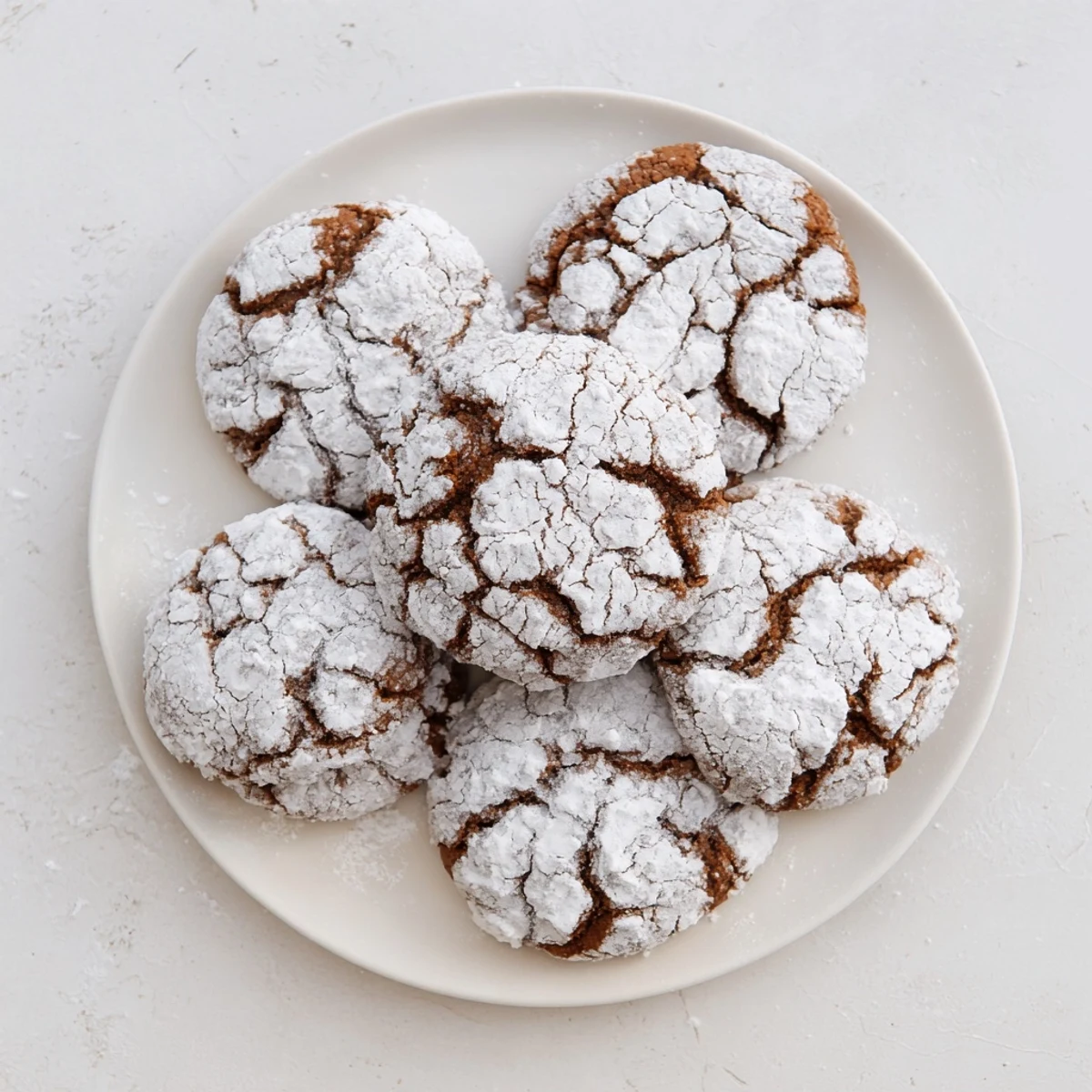
 There's something magical about pulling a tray of these from the oven and watching those snowy cracks appear. Hope your kitchen fills with that same gingerbread warmth that makes December feel like home.
Recipe FAQs
- → Why do gingerbread crinkle cookies crack?
-
The crinkle effect happens because the dough balls are rolled in powdered sugar before baking. As the cookies spread in the oven, the sugar coating cracks apart while the dough rises, creating those beautiful fissures on top.
- → Can I freeze the dough?
-
Yes, scoop the dough into balls and freeze on a baking sheet until firm, then transfer to a freezer bag. Roll in sugars just before baking. Frozen dough may need 1-2 extra minutes in the oven.
- → What makes these cookies chewy?
-
The combination of brown sugar and molasses keeps these cookies soft and chewy. Molasses also provides the deep, authentic gingerbread flavor and creates a moist texture that lasts for days.
- → Why is chilling the dough important?
-
Chilling for at least 30 minutes helps the dough firm up, which prevents excessive spreading during baking. This ensures the cookies maintain their shape and develop the proper crinkle pattern.
- → Can I substitute the molasses?
-
Molasses is essential for authentic gingerbread flavor and texture. Substituting with honey or maple syrup will alter both the taste and the final texture of your cookies significantly.
- → How do I know when they're done?
-
The cookies are done when the edges are set but the centers still look slightly soft. They will continue cooking on the hot baking sheet, so removing them while slightly underbaked ensures chewy results.