 Save to Pinterest
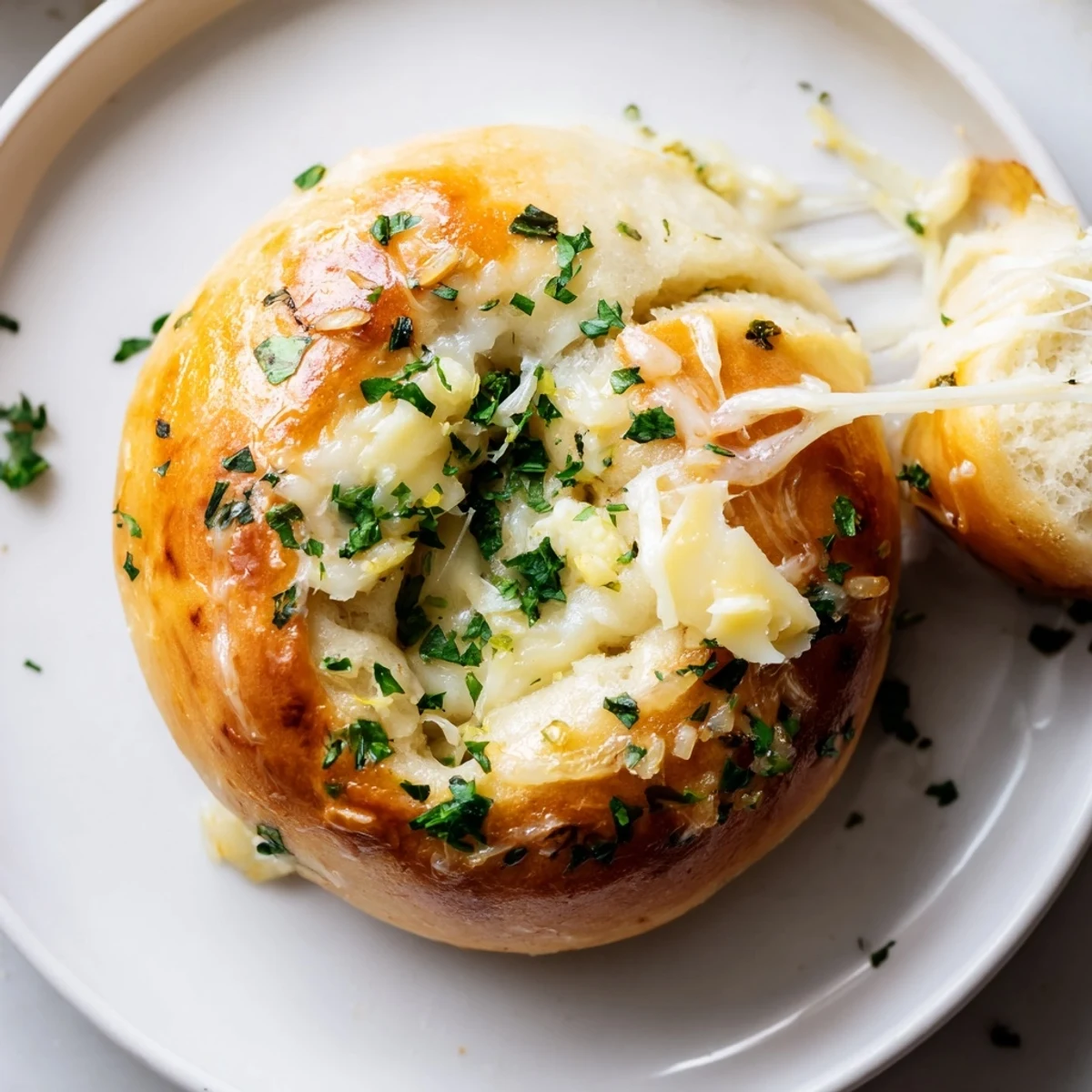
 These soft, pillowy rolls make 12 golden buns from a yeasted milk dough that needs a 1-hour rise. After a brief knead (6–8 minutes), divide and fill each piece with garlic butter, mozzarella and Parmesan, seal, then proof 25–30 minutes. Bake at 180°C (350°F) for 20–25 minutes until deep golden, then brush with melted garlic butter. Serve warm alongside soups or pasta; freeze baked or unbaked for later.
Last winter, the aroma of melting butter and garlic wafted into the hallway before I'd even opened the oven. I hadn't planned on making anything extravagant, just using up that last hunk of cheese in the fridge, but the result was pure magic. There's something about working dough on a quiet afternoon, pressing it gently, feeling it yield, that chases away a gray day. These rolls were born out of that kind of comfort.
One rainy Sunday, my neighbor stopped by right as I was finishing off the batch. I watched her eyes widen with the first bite, garlic butter dripping from the corner of her mouth, and in that small moment, we both laughed at how such simple ingredients could feel so decadent.
Ingredients
- All-purpose flour: The foundation for pillowy rolls; measure carefully for the right dough texture.
- Active dry yeast: Ensures those soft, airy layers; proof it well for the best rise.
- Sugar: Coaxes the yeast to life and adds a subtle sweetness behind the savory flavors.
- Salt: Balances the richness so the cheese and butter really shine.
- Warm milk: Brings tenderness—make sure it’s warm, not hot, to keep the yeast happy.
- Unsalted butter: Used in dough, filling, and topping; opt for unsalted to control flavor.
- Large egg: Adds structure and extra richness to each bite.
- Garlic: Minced fresh for both filling and topping to deliver the signature aroma.
- Mozzarella cheese: Melts beautifully for those stretchy, cheesy pockets inside.
- Parmesan cheese: Lends a nutty, savory kick to the filling.
- Fresh parsley: Optional, but it brightens the flavor and adds color to the final look.
- Dried Italian herbs: For a gentle background note; don’t overdo it.
Instructions
- Bloom the yeast:
- Pour warm milk into your biggest bowl, stir in sugar and yeast, and watch for that frothy foam—it’s how you know your rolls will rise light and soft.
- Mix and knead:
- Fold in the butter, egg, and salt, then add flour until a shaggy dough forms; knead until it stretches smooth beneath your hands, about 6–8 minutes.
- First rise:
- Slip the dough into a greased bowl, cover, and let it puff up somewhere warm for about an hour—it’s forgiving, so don’t stress if it takes a little longer on cold days.
- Prepare the filling:
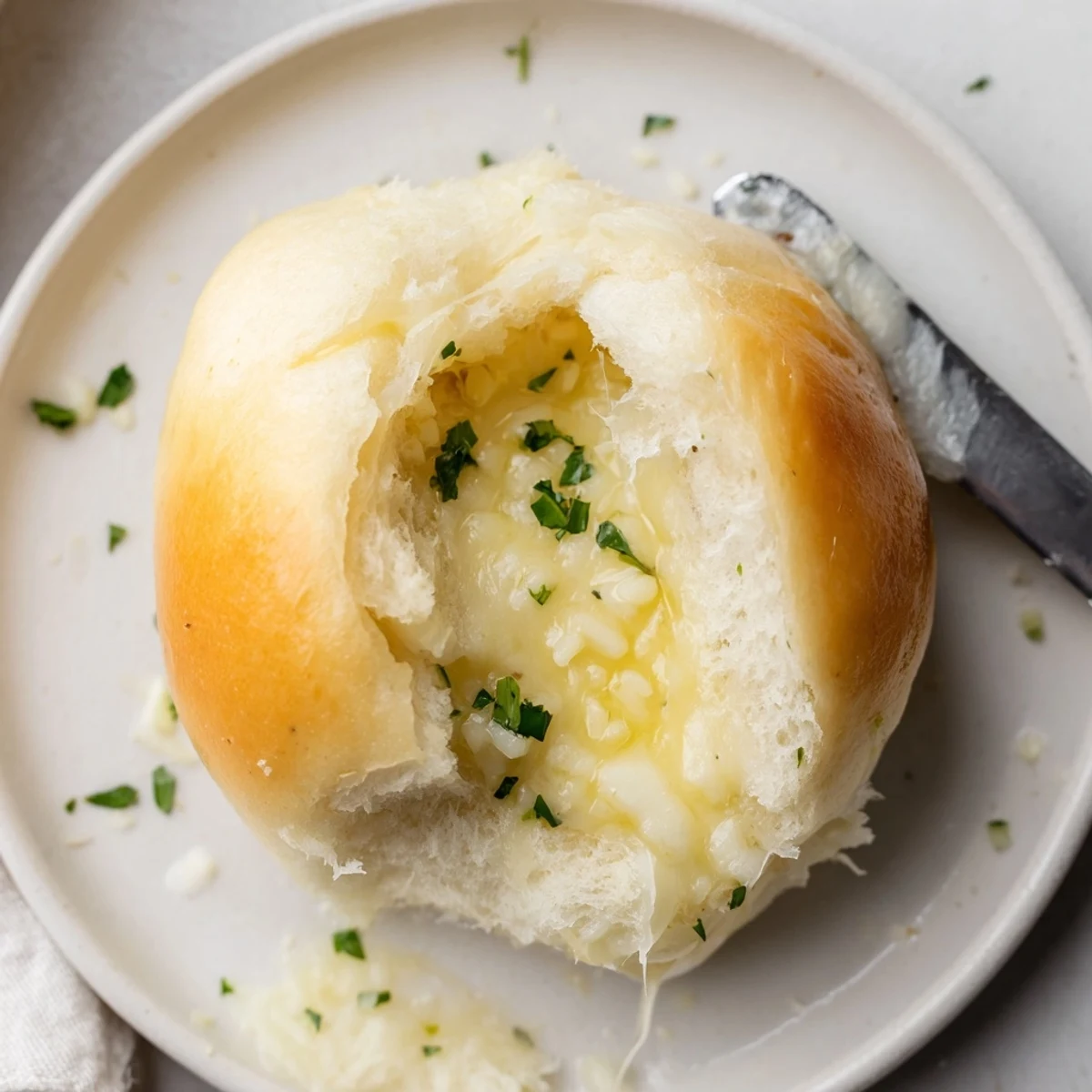
- Combine melted butter, garlic, cheeses, herbs, and parsley in a small bowl; the scent already hints at how flavorful the rolls will be.
- Shape the rolls:
- Punch down the dough, divide it into 12 portions, and flatten each into a mini disc; scoop on plenty of filling and gather the edges together, pinching to seal.
- Second rise:
- Place the rolls, seam side down, on a lined tray and cover loosely; let them rest for another half-hour until they look puffy and dreamy.
- Bake:
- Slide the tray into a preheated oven at 180°C until the tops are golden and your kitchen smells incredible, about 20–25 minutes.
- Topping and serve:
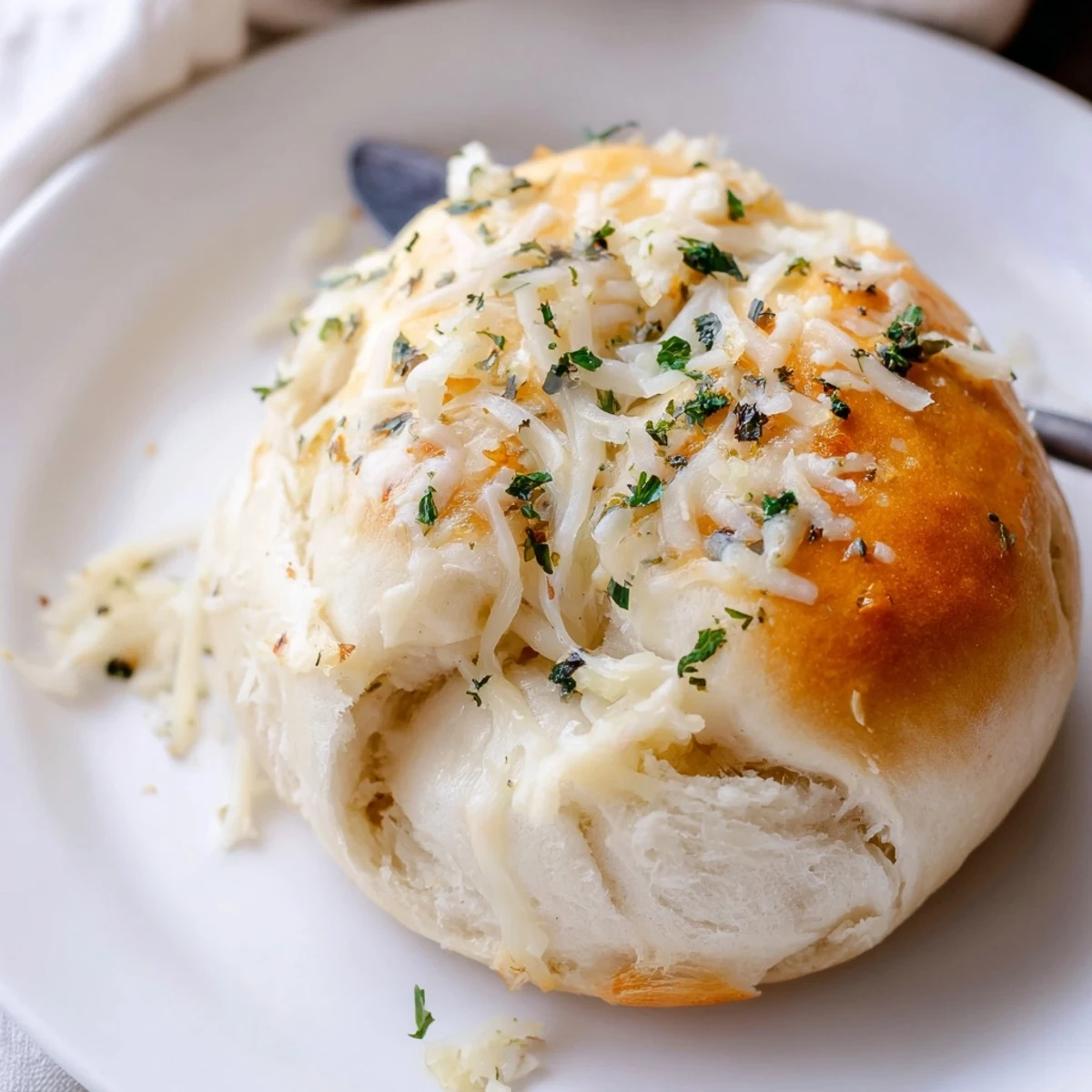
- Right when they’re hot, brush generously with garlic butter and sprinkle with parsley—the sizzle is your reward.
 Save to Pinterest
 The first time I brought a batch of these warm from the oven to a potluck, I watched them vanish before any other dish. It was that communal moment—hands reaching, voices chatting, everyone savoring—that made me realize these rolls belong at the center of good gatherings.
Mastering the Dough Texture
The sweet spot is a dough that feels soft and just slightly tacky—too much flour makes it tough, too little and it’s hard to shape. Trust your fingertips, and add a spoonful at a time as needed.
Customizing the Filling and Topping
You can play with sharp cheddar, smoked provolone, or a dash of chili flakes if you like a gentle heat. If parsley isn’t handy, a sprinkle of chives or a pinch of oregano brightens the buttery finish just as well.
Timing Tricks in a Real Kitchen
When I’m rushed, I’ve let the dough rise in a barely warm (turned-off) oven to speed things up, just checking it every so often for that pillowy lift. Prepping the filling as the dough rises saves time, and lining the tray with parchment means zero sticky cleanup. Let the rolls cool just a few minutes so the cheese doesn’t burn your tongue, but don’t wait too long—they’re heavenly warm.
- Shape and fill the rolls as soon as the dough is ready for the best texture.
- Keep an eye on the baking time—every oven runs a little differently.
- Store leftovers in an airtight container for up to 2 days; reheat before serving for best flavor.
 Save to Pinterest
 Bake a batch and you’ll quickly see why they never last long. Sharing them—warm, aromatic, and golden—is its own small joy.
Recipe FAQs
- → How can I prevent the filling from leaking during baking?
-
Don’t overfill each bun and press seams firmly to seal. Flatten dough evenly, use a heaping spoonful rather than overflowing, and place sealed-side down on the tray. Chilling the filled balls briefly before proofing can also help the seam hold.
- → What cheeses work well if I don’t have mozzarella or Parmesan?
-
High-melters like fontina, provolone or young cheddar are great substitutes; gruyère adds a nutty character. If using fresh mozzarella, pat it dry to reduce excess moisture so the dough doesn’t get soggy.
- → What’s the best way to freeze and reheat these rolls?
-
Freeze either before baking (arranged on a tray, then sealed in a bag) or after baking once cooled. Bake from frozen by adding a few extra minutes, or reheat baked rolls in a 160–180°C (325–350°F) oven for 8–12 minutes until warmed through, brushing with garlic butter again.
- → How do I get a shiny, golden top on the rolls?
-
Brush with an egg wash (beaten egg with a splash of water or milk) just before baking for a glossy finish. After baking, brush with melted garlic butter for extra sheen and flavor.
- → How can I ensure a strong rise and light crumb?
-
Use warm milk (about 38–43°C / 100–110°F) to proof the yeast for 5–7 minutes until frothy. Knead the dough until smooth and elastic (6–8 minutes), and let it rise in a warm, draft-free spot until doubled.
- → How do I boost garlic flavor without burning it?
-
Sauté or gently warm garlic in butter briefly to mellow and release aroma before mixing with cheeses. Alternatively, use roasted garlic for a sweeter, more caramelized note; add any raw minced garlic at lower quantities to avoid sharp, burnt flavors.