 Save to Pinterest
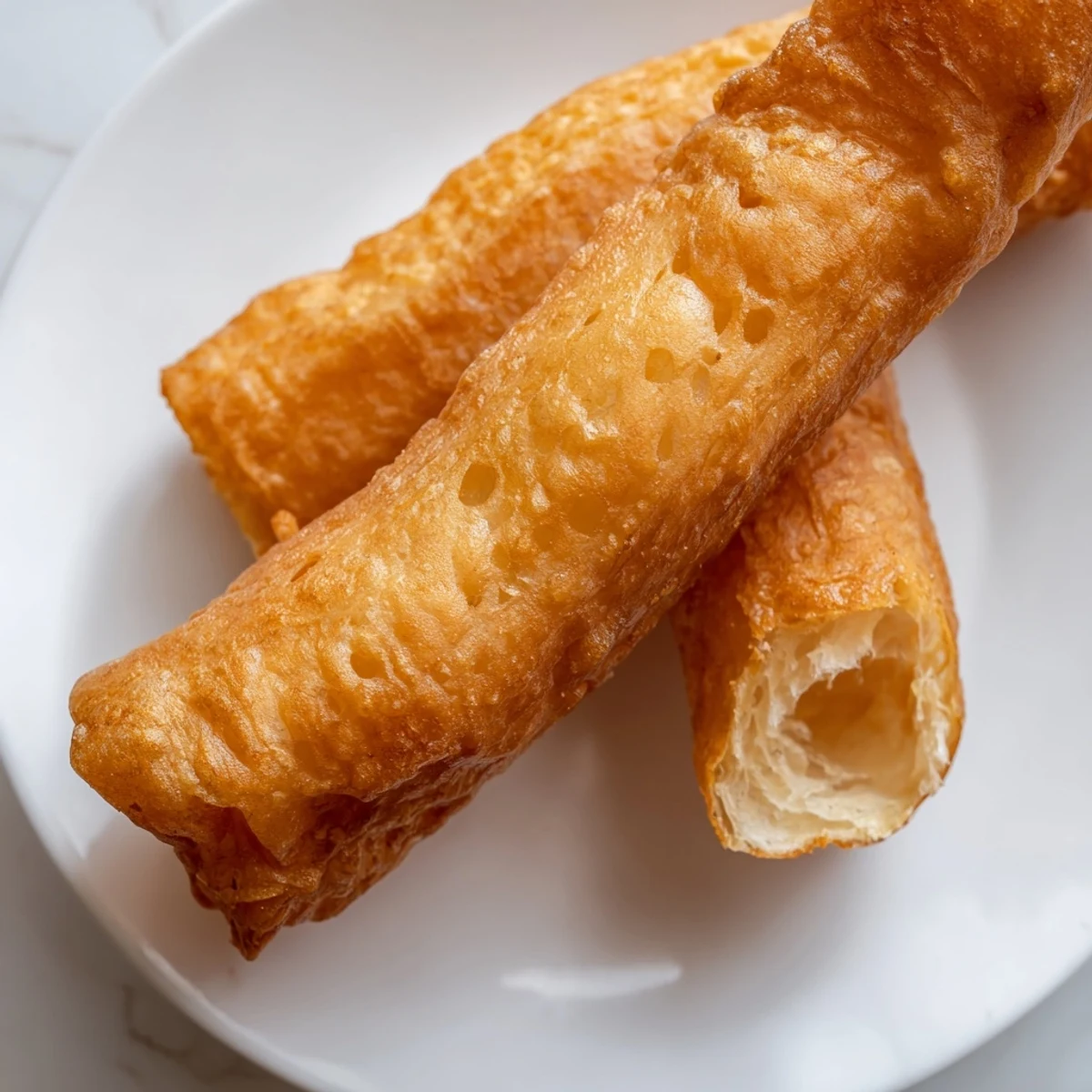
 Create these beloved Chinese breakfast favorites with a simple dough that transforms into golden, pillowy sticks through proper resting and high-heat frying. The key is achieving that signature hollow center while maintaining a satisfying crunch on the outside.
The double-layer pressing technique ensures perfect puffing during frying, while the precise oil temperature guarantees even cooking and that irresistible texture that makes Youtiao a morning staple across China and beyond.
The first time I watched a street vendor in Shanghai stretch those golden dough strips, the whole block smelled like heaven. I stood there with steam rising from my soy milk cup, absolutely mesmerized by how two simple pieces of dough could puff into something so impossibly light and crispy. Later that week in my tiny apartment kitchen, I made three failed batches before finally getting that signature hollow center. Now my kitchen smells just like that morning in Shanghai, and I finally understand why people line up for these at dawn.
My roommate walked in during my fourth attempt and found me doing a little victory dance around the frying pan. We stood there burning our fingers, tearing apart still-steaming strips and dipping them into everything from sweet soy milk to savory congee. She texted her mother that night saying someone had finally cracked the code for authentic Chinese breakfast at home.
Ingredients
- All-purpose flour: The backbone of structure here, bread flour makes them too tough while cake flour lacks the necessary protein for that signature puff
- Baking powder and baking soda: This dual leavening combo creates the incredible rise and airy interior that separates great youtiao from dense disasters
- Salt: Essential for flavor balance since these doughnuts are traditionally more savory than sweet
- Sugar: Just enough to promote golden browning and give a subtle sweetness that complements dipping sauces
- Egg: Adds richness and helps create that tender texture, though you can substitute with extra water for a vegan version
- Water: Room temperature is crucial, cold water slows yeast activity while hot water can prematurely activate the leavening
- Vegetable oil: Neutral oils work best, avoid olive oil which adds unwanted flavor at high frying temperatures
- Frying oil: You need enough volume to maintain temperature, these shallow fry poorly and end up greasy and flat
Instructions
- Mix the dry foundation:
- Whisk together your flour, baking powder, baking soda, salt, and sugar until everything is evenly distributed, no clumps allowed
- Bring the dough together:
- Create a well in the center and pour in the egg, water, and oil, then use a spatula to fold everything into a shaggy, sticky mass that looks like it needs more work
- First gentle knead:
- Knead right in the bowl for just a minute or two until the dough barely holds together, overworking now will make them tough
- First rest period:
- Cover the bowl and let the dough relax for 15 minutes, this brief pause makes the next kneading so much easier
- Smooth it out:
- Lightly oil your hands and surface, then knead for 2 to 3 minutes until the dough transforms from sticky shreds into something smooth and cooperative
- The waiting game:
- Return the dough to the bowl, cover again, and walk away for an hour while gluten development does its magic
- Roll and portion:
- Gently press or roll the rested dough into a half-inch thick rectangle, then cut strips one inch wide and about five inches long
- Create the pairs:
- Layer two strips on top of each other and press firmly down the center with a chopstick or knife handle, this fusion is what creates the signature puff
- Heat your oil:
- Bring your frying oil to 375°F, too cool and they soak up grease, too hot and they burn before cooking through
- The moment of truth:
- Gently stretch each paired strip to about eight inches, lower carefully into the hot oil, and turn constantly with chopsticks until they turn golden and float beautifully
- Drain and serve:
- Let them drain briefly on a rack while you fry the rest, then serve immediately while still warm and incredibly crisp
 Save to Pinterest
 Last Sunday my mother called while I was pulling a fresh batch from the oil. I held the phone near the fryer and she immediately asked what restaurant I was ordering from. When I explained I made them, she demanded I come home and teach her, saying these were better than any version she had growing up.
Getting That Perfect Puff
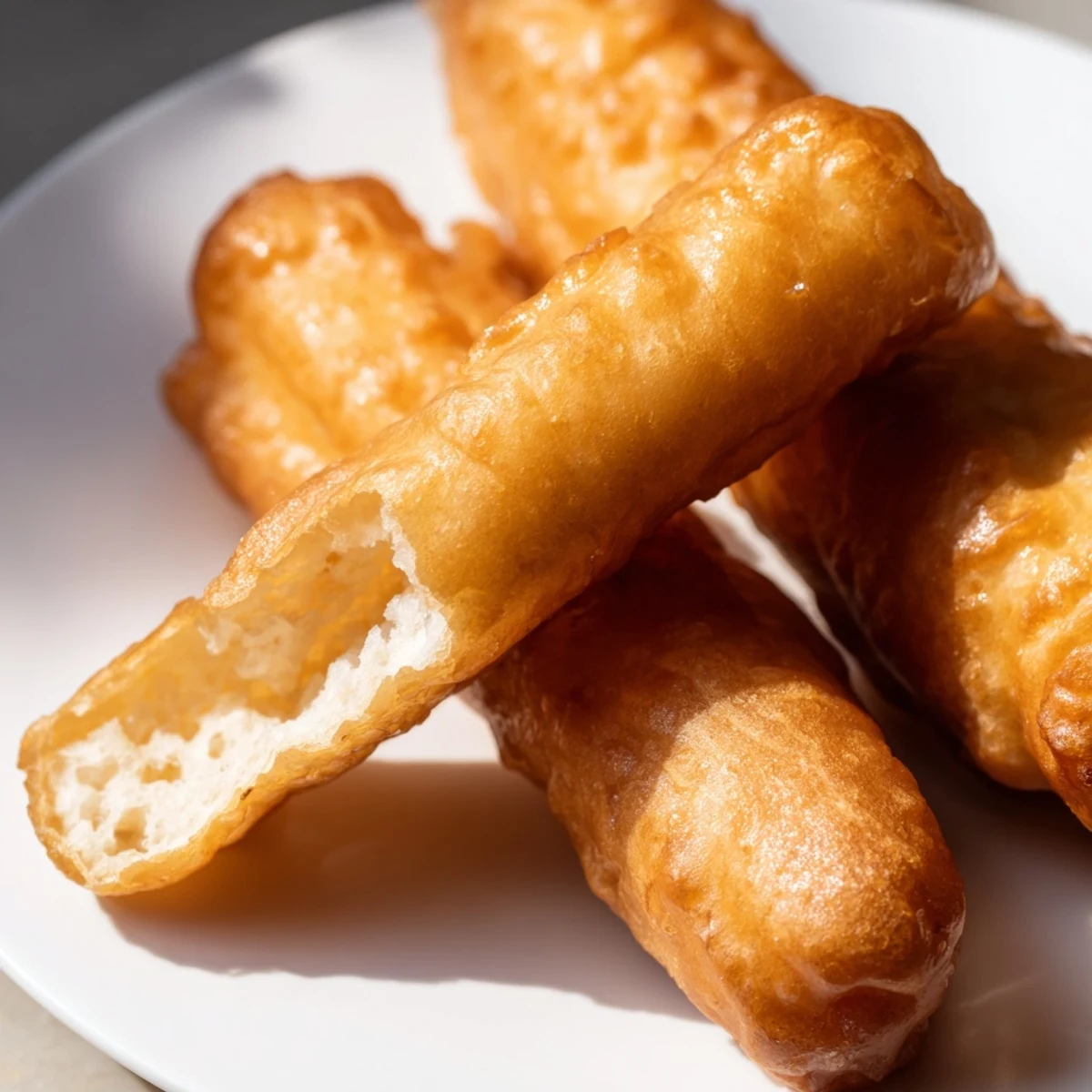
The secret is patience during that second rest period. I rushed this step once and ended up with dense, bread-like sticks instead of cloud-light doughnuts. The hour lets the gluten relax fully, which means they expand dramatically when they hit the hot oil instead of staying stubbornly compact.
Oil Temperature Mastery
Invest in a kitchen thermometer if you do not have one, but learn the visual cues too. Bubbles should be vigorous but not violent when you slide the dough in, and the strips should immediately float to the surface rather than stay submerged or brown too quickly.
Serving Traditions
In Chinese households, youtiao are never eaten alone. They get torn apart and dipped into sweet soy milk, congee, or even savory soups. The contrast between the hot, crispy exterior and the warm, comforting liquid is absolute breakfast perfection.
- Try them with condensed milk for a sweet dessert twist
- Sandwich a fried egg inside for an indulgent breakfast sandwich
- Leftovers can be refreshed in a toaster oven for a few minutes
 Save to Pinterest
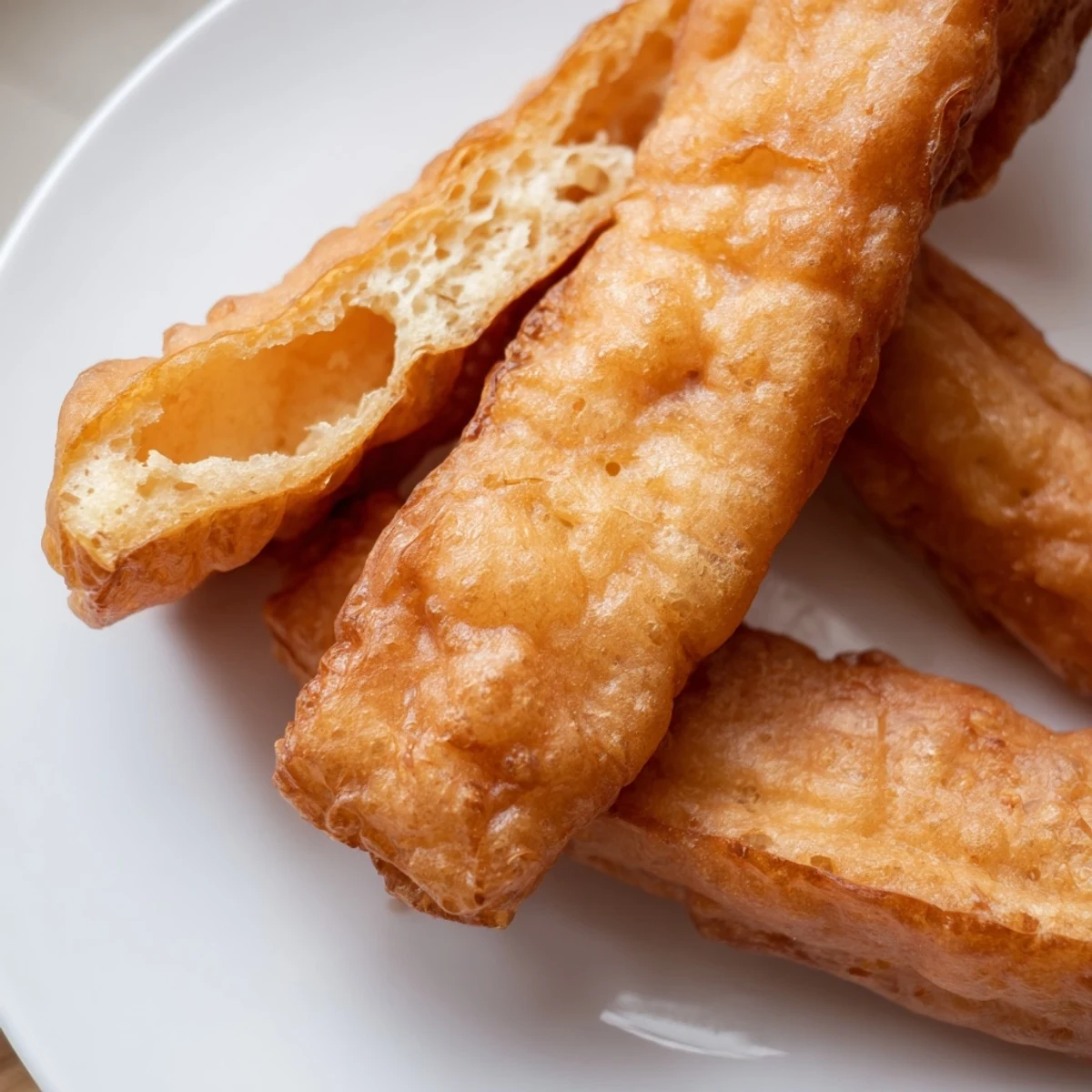
 There is something profoundly satisfying about pulling perfectly puffed golden sticks from hot oil. I hope these bring a little bit of Shanghai morning magic to your kitchen table.
Recipe FAQs
- → What makes Youtiao puff up so dramatically?
-
The secret lies in pressing two dough strips together before frying. This creates layers that separate in hot oil, forming the signature hollow center. The baking powder and soda also contribute to the dramatic puffing action during frying.
- → Can I prepare the dough ahead of time?
-
Yes, you can refrigerate the dough after the first resting period for up to 12 hours. Let it come to room temperature before rolling and cutting. This actually improves flavor development and makes the dough easier to handle.
- → Why is my Youtiao not hollow inside?
-
This usually happens when the oil temperature is too low, preventing proper puffing. Ensure your oil reaches 375°F (190°C) before frying. Also make sure you're pressing the dough pairs firmly enough to fuse them together before stretching.
- → What's the best way to serve Youtiao?
-
Traditionally served warm with sweetened soy milk for dipping, or alongside congee for a savory breakfast. The sticks absorb liquids beautifully while maintaining their satisfying crunch. They're also delicious plain as a snack.
- → Can I bake instead of fry?
-
Baking won't achieve the authentic texture and flavor. Deep frying is essential for creating the signature crispy exterior and airy interior. If you want to reduce oil absorption, fry at the proper temperature and drain thoroughly on a wire rack.
- → How do I store leftover Youtiao?
-
Best enjoyed fresh and warm. If you must store, place in an airtight container at room temperature for up to 1 day. Reheat in a 350°F oven for 5 minutes to restore crispiness. Freezing is not recommended as texture suffers significantly.