
 Save to Pinterest
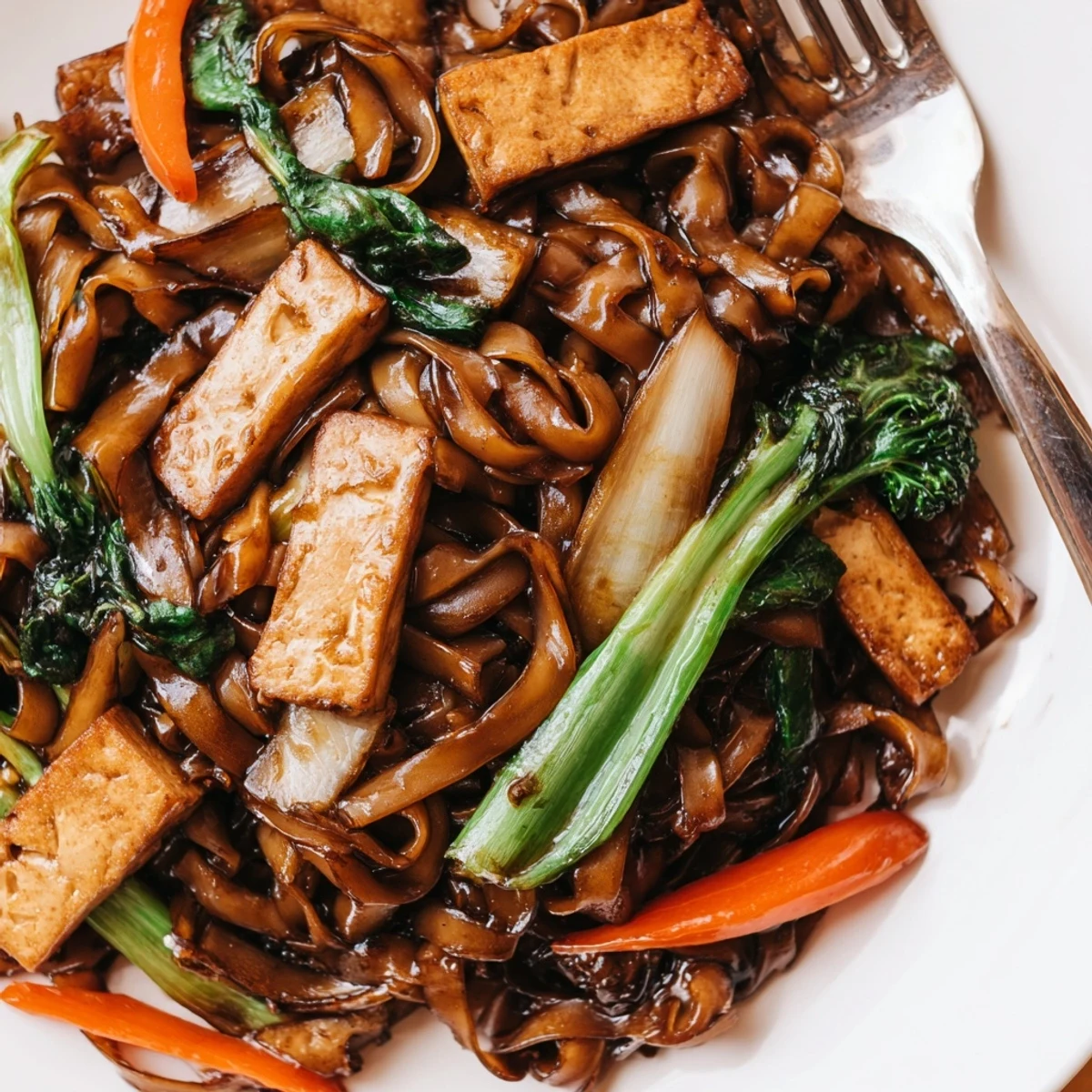
 This Thai-inspired dish brings together tender wide rice noodles, crisp vegetables, and protein-rich tofu in a savory, umami-packed sauce. The secret lies in the perfectly balanced blend of light and dark soy sauce with vegan oyster sauce, creating that signature depth and subtle sweetness. High-heat stir-frying develops a slight char on the noodles while keeping vegetables tender-crisp. Everything comes together in just 30 minutes for a satisfying meal that delivers restaurant-quality flavors right from your kitchen.
The smell of charred noodles and garlic hitting a smoking wok transports me back to a tiny street-side stall in Bangkok, where I watched a cook transform humble ingredients into something magical with just a few flicks of the wrist. I've been chasing that wok hei—that breath of the wok—ever since, and this vegan pad see ew gets me closer than any restaurant version.
My roommate used to order pad see ew every Friday night until I finally recreated it in our tiny apartment kitchen. Now it's become our weeknight comfort food, ready in under 30 minutes and always satisfying.
Ingredients
- Wide rice noodles: Fresh noodles give the best chewy texture, but dried ones work beautifully if you soak them properly and dont overcook them
- Light and dark soy sauce: The combination creates that signature reddish-brown color and deep umami flavor you crave in Thai takeout
- Vegan oyster sauce: Mushroom-based sauce adds that extra savory depth without any seafood, though you can also use additional soy sauce
- Firm tofu: Press it for 15 minutes before slicing so it develops those golden crispy edges instead of falling apart in the wok
- Chinese broccoli: The stems add perfect crunch while leaves wilt beautifully—broccolini makes a great substitute if you cant find gai lan
- Fresh garlic: Dont be shy with it—the aromatic base is what makes your kitchen smell like an authentic Thai restaurant
Instructions
- Mix your sauce first:
- Whisk together the soy sauces, vegan oyster sauce, sugar, rice vinegar and water until the sugar completely dissolves
- Prep the noodles:
- Cook fresh noodles briefly or soak dried ones until tender, then drain well and toss with a little oil to keep them from clumping together
- Heat your wok:
- Get the oil shimmering over medium-high heat, then add the minced garlic and let it sizzle for just 20 seconds until fragrant but not browned
- Crisp the tofu:
- Add the tofu strips in a single layer and let them cook undisturbed for 2-3 minutes until they develop a light golden color
- Start the vegetables:
- Toss in the Chinese broccoli stems, carrots and bell pepper first since they need a bit more time to become tender-crisp
- Bring it all together:
- Add the noodles and pour that sauce you made over everything, tossing gently so each strand gets coated in that glossy glaze
- Finish with the leaves:
- Drop in the Chinese broccoli leaves last and stir-fry for just a minute or two until they wilt down but still have some bite
 Save to Pinterest
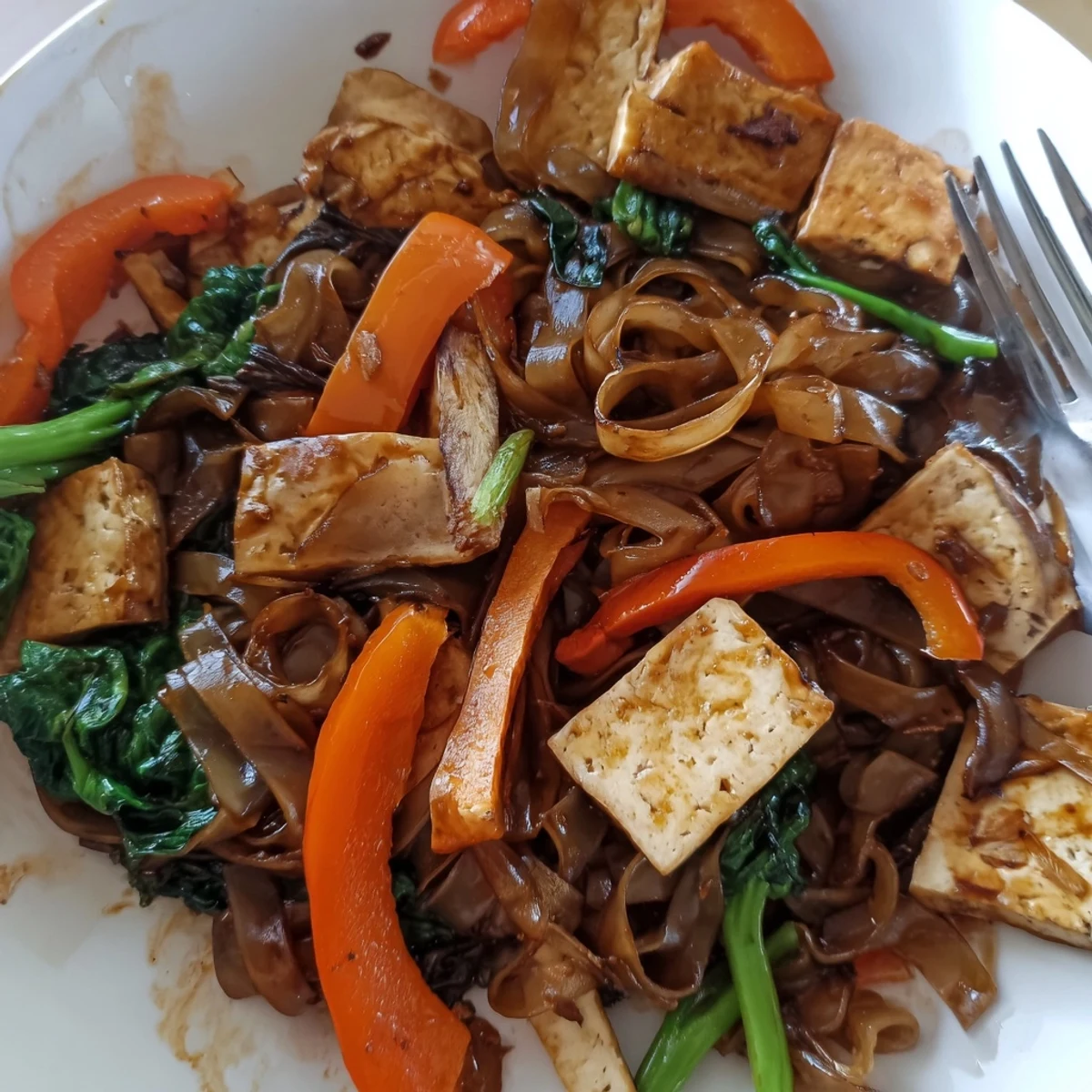
 This dish has become my go-to when friends come over for dinner because it looks impressive but comes together so fast. The way everyone leans in when I toss those smoking noodles against the wok tells me I'm doing something right.
Getting That Restaurant Smoky Flavor
Professional Thai cooks let their noodles actually char against the superheated metal surface, creating those dark, crispy spots that carry so much flavor. Don't be afraid to let your noodles sit undisturbed for 15-20 seconds here and there—you'll smell when they start to develop that irresistible smokiness that takes this dish from good to absolutely memorable.
Noodle Success Secrets
Overcooked, mushy noodles can ruin even the perfect sauce, so keep a close eye on them during the initial cooking. I always taste a strand before adding them to the wok—they should be slightly underdone since they'll cook more during stir-frying. If your noodles are sticking together in the colander, rinse them under cold water and toss with a teaspoon of oil immediately.
Make It Your Own
The beauty of pad see ew lies in its adaptability while keeping those core Thai flavors intact. I've tried countless variations and learned what works and what doesn't through happy kitchen accidents and a few memorable failures.
- Add fresh Thai basil at the very end for an aromatic twist that changes the whole character of the dish
- Throw in some shiitake mushrooms with the tofu if you want more umami depth
- Make it spicy by tossing in sliced chilies or serving with chili oil on the side
 Save to Pinterest
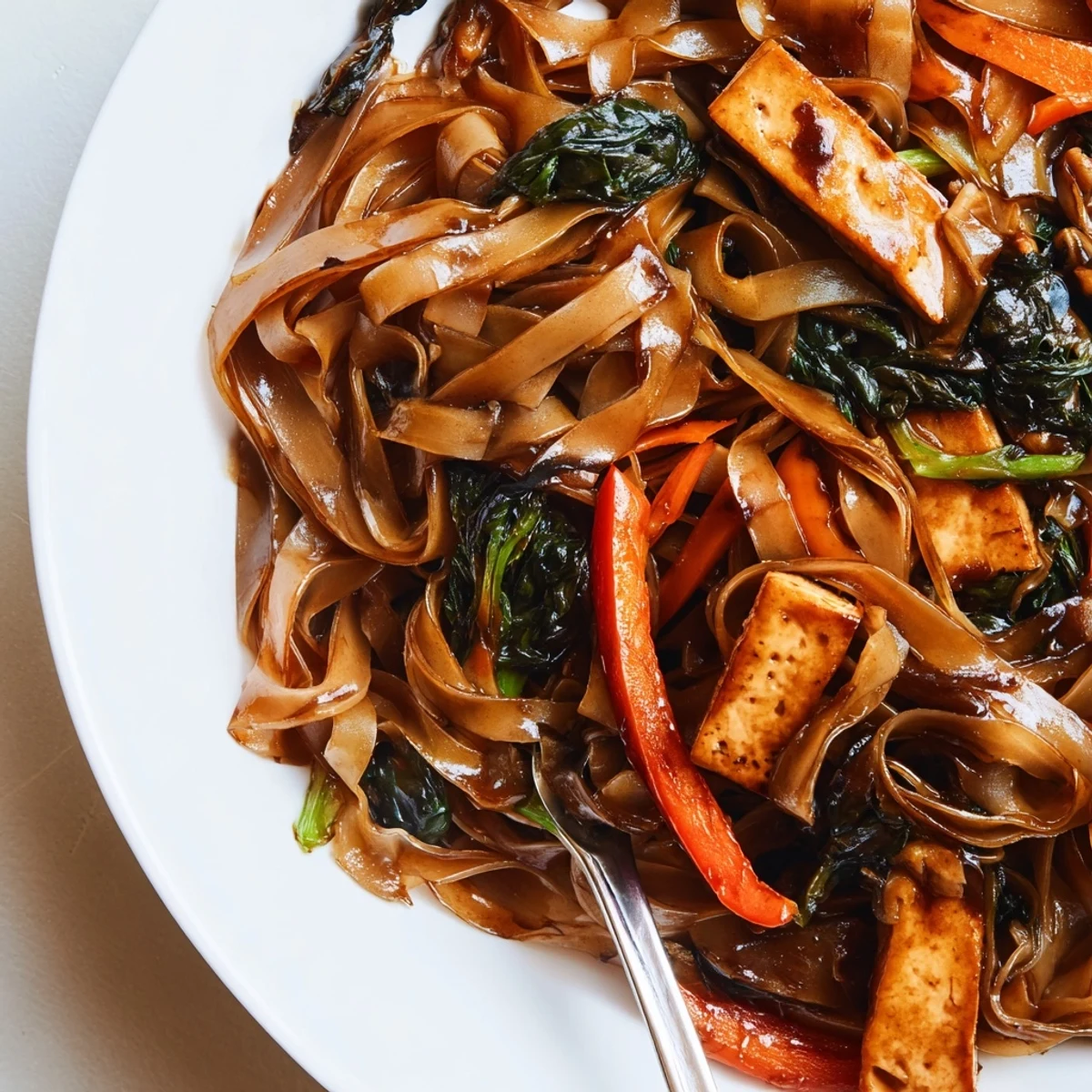
 There's something deeply satisfying about plating this dish and watching steam rise off those glossy, charred noodles. I hope this recipe brings as much joy to your kitchen as it has to mine.
Recipe FAQs
- → What makes the sauce authentic?
-
The combination of light soy sauce for saltiness, dark soy sauce for depth and color, plus vegan oyster sauce creates the characteristic umami-rich flavor profile of traditional Pad See Ew.
- → Can I use dried rice noodles?
-
Yes, simply soak dried rice noodles according to package instructions until pliable but still slightly firm. Drain well before adding to the wok to prevent excess moisture.
- → What vegetables work best?
-
Chinese broccoli is traditional, but broccolini, bok choy, or regular broccoli make excellent substitutions. Bell peppers and carrots add sweetness and crunch.
- → How do I prevent noodles from sticking?
-
Toss freshly cooked noodles with a small amount of oil before stir-frying. Keep the heat high and work quickly once noodles hit the wok.
- → Is this gluten-free?
-
Yes, when using certified gluten-free soy sauce and tamari instead of regular soy sauce. Always verify all sauce labels for hidden gluten.
- → Can I add more protein?
-
Feel free to include shiitake mushrooms, edamame, or additional tofu for extra protein. Stir-fry firm ingredients before adding the noodles.