
 Save to Pinterest
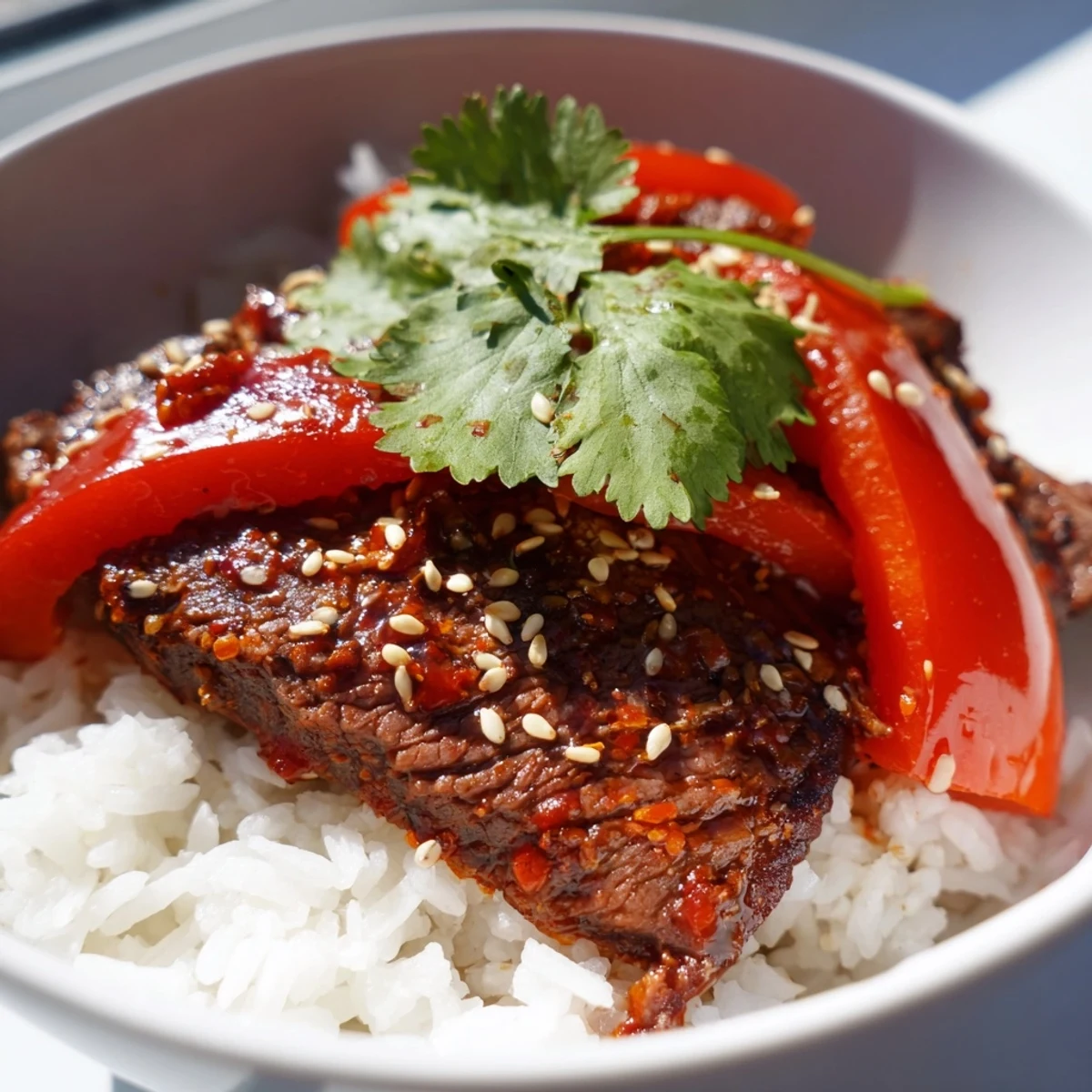
 This dish features thinly sliced beef marinated and quickly seared to lock in flavor. The spicy sauce combines soy, sriracha, hoisin, and ginger to add bold, fragrant heat. Crisp vegetables like bell pepper, snap peas, and carrot provide a fresh crunch. Served over steamed jasmine or basmati rice, it’s an easy and colorful meal suitable for busy evenings. Optional garnishes of sesame seeds and fresh cilantro brighten the dish.
There's something about the smell of beef hitting a screaming hot wok that makes you feel like you actually know what you're doing in the kitchen. I discovered this spicy beef bowl on a Tuesday night when I was determined to prove to myself that stir-frying wasn't some intimidating restaurant-only technique. Turns out, tender strips of beef glazed in a fiery, umami-rich sauce served over rice is exactly the kind of meal that makes a simple weeknight feel special. Now I make it whenever I need comfort food that actually has a backbone.
I'll never forget the first time I made this for my partner who claimed he didn't like ginger. The moment he tasted it, his eyes went wide—not from shock, but from genuine delight. He asked for seconds before finishing his first bowl, and I realized the spice and the sauce had somehow made the ginger feel less intimidating, more integrated into the whole delicious picture. It became our go-to recipe whenever we wanted something that felt restaurant-quality but didn't require leaving the house.
Ingredients
- Flank steak or sirloin, thinly sliced: Thin slices mean the beef cooks in seconds and absorbs the sauce like a dream; freeze it for 15 minutes before slicing to make the cuts clean and even.
- Cornstarch and soy sauce: This combination creates a silky coating on the beef that keeps it tender and helps the sauce stick.
- Sriracha or chili-garlic sauce: The backbone of the heat; adjust to your tolerance, but don't skip it entirely.
- Hoisin sauce: The secret ingredient that adds depth and a touch of sweetness to balance the spice.
- Fresh ginger and garlic: Minced small so they dissolve into the sauce and flavor every angle.
- Sesame oil: A small amount goes a long way; use toasted sesame oil for the most authentic, aromatic result.
- Red bell pepper, snap peas, and carrot: Choose vegetables you actually like; the goal is contrast in texture and brightness.
- Jasmine or basmati rice: A neutral canvas that lets the sauce shine.
Instructions
- Prepare the beef:
- Toss the sliced beef with 1 tablespoon soy sauce and cornstarch, letting it sit for 10 minutes while you gather everything else. This rest time is when the cornstarch begins its quiet magic, creating that silky texture.
- Mix the sauce:
- Whisk together soy sauce, sriracha, hoisin, brown sugar, rice vinegar, minced garlic, grated ginger, and sesame oil in a small bowl. Taste it straight from the spoon—it should make you pause, then smile.
- Sear the beef:
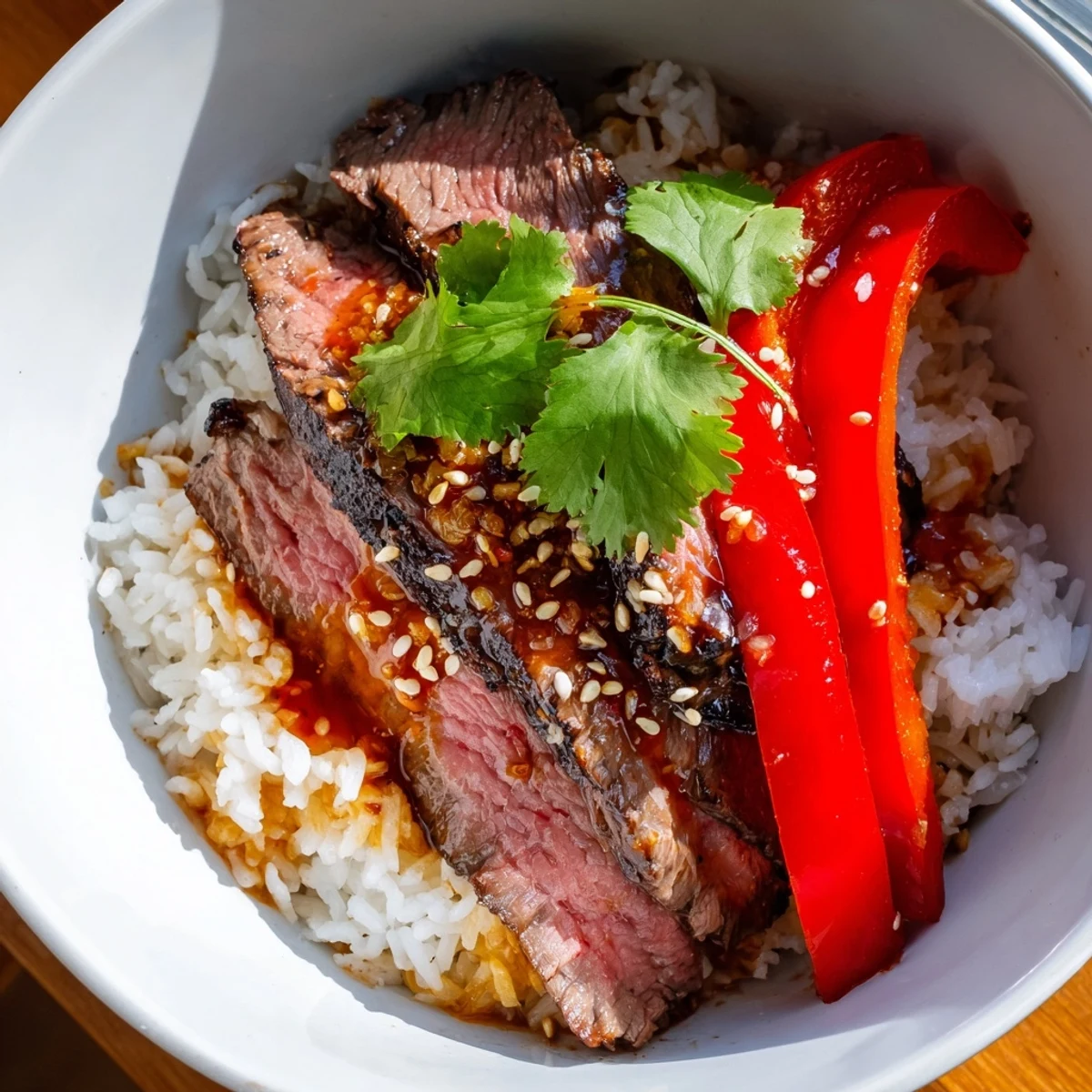
- Get your skillet or wok ripping hot, add oil, then work in batches so the meat browns instead of steams. Two to three minutes per batch, and you'll have beef that's crusty on the outside and barely blushing pink inside.
- Cook the vegetables:
- In the same skillet with a little more oil, stir-fry the pepper, snap peas, and carrot until they're just tender but still have a bite. Listen for the gentle sizzle; that's your timer.
- Bring it together:
- Return the beef to the skillet, pour in that gorgeous sauce, and toss everything over high heat for 1 to 2 minutes. Watch the sauce reduce and cling to the beef and vegetables like it was meant to be together.
- Serve and garnish:
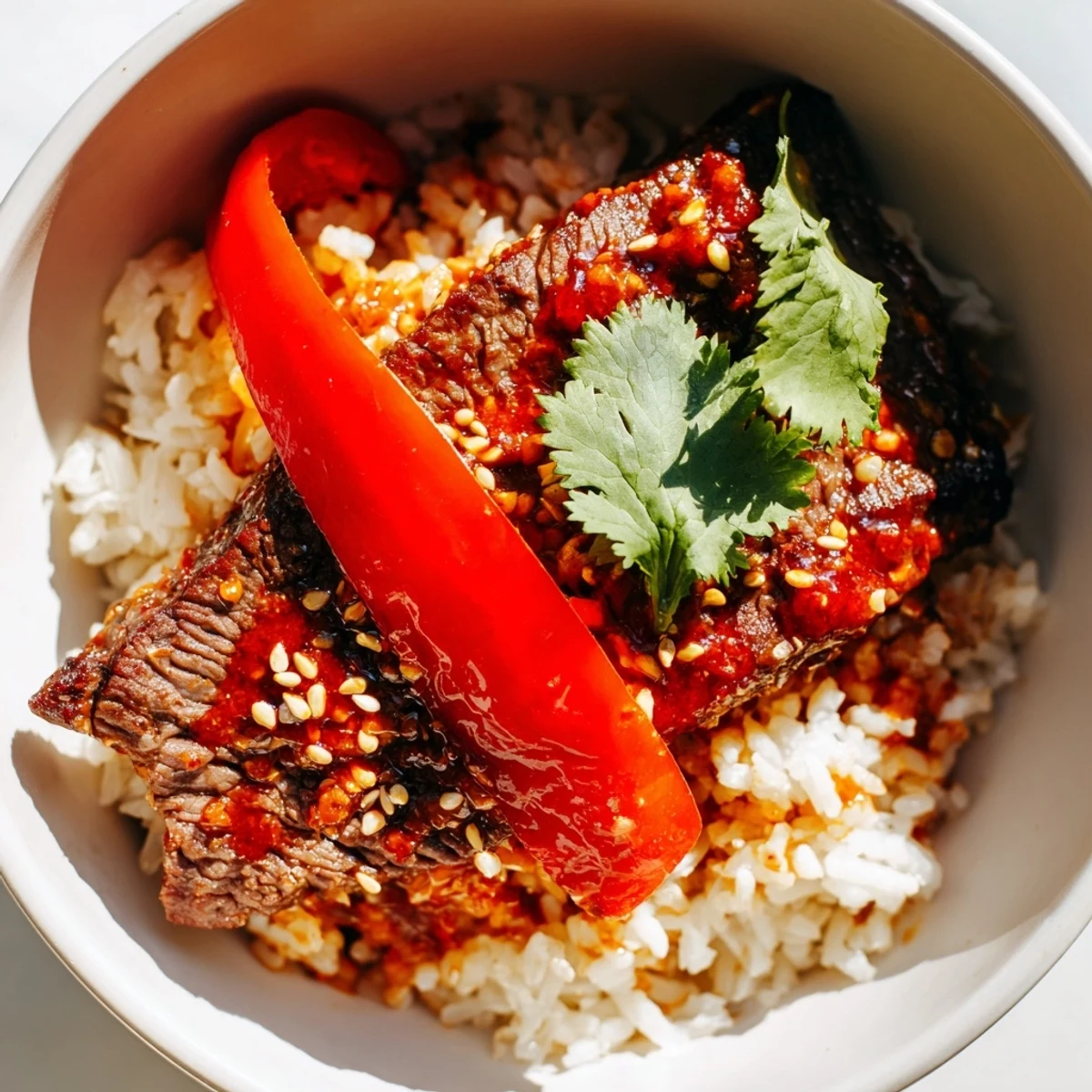
- Spoon the whole thing over rice and shower it with spring onions, toasted sesame seeds, and cilantro if you've got it. The cilantro isn't essential, but it adds a bright moment that cuts through the richness.
 Save to Pinterest
 I learned the real magic of this dish on a night when I was running late and almost skipped making it altogether. But something made me push through, and the moment the beef hit that hot skillet, the entire apartment filled with this incredible aroma that made everything feel right again. Dinner became less about efficiency and more about the ritual—and I realized that's when food stops being fuel and becomes a moment worth savoring.
Heat Control Matters
This dish lives or dies by temperature. A properly heated wok or skillet is non-negotiable; if you're not hearing an aggressive sizzle when the beef hits the pan, it's not hot enough. I used to be timid with my heat, worried I'd burn something, but the burn I should have been worried about was boredom—bland beef and vegetables that looked cooked but tasted like it was done half-heartedly. Once I committed to proper heat, the entire dish transformed into something crispy, vibrant, and alive.
Customizing Your Bowl
The vegetables here are just a suggestion; this dish is forgiving enough to work with whatever you have or whatever you actually want to eat. Broccoli becomes sweet and crispy, bok choy gets tender and silky, mushrooms soak up sauce like tiny sponges. I've made this with combinations I never planned for, just working with what the fridge offered, and somehow it always worked out. That flexibility means you can make this once a week and have it feel different each time based on your mood and what's available.
Spice Adjustments and Flavor Layers
If you love fire, sliced fresh chili or a pinch of chili flakes will push this into territory that makes your eyes water in the best possible way. If sriracha feels too aggressive, you can back it off and let the hoisin and ginger carry more of the umami weight. There's also something wonderful about tasting it as you go—building your heat gradually so you actually enjoy the journey instead of just powering through. For gluten-free eating, swap soy sauce for tamari and check your hoisin label; a few simple swaps mean everyone at the table can have the same incredible meal.
- Add sliced fresh chili or chili flakes to turn up the heat as high as you dare.
- Fresh cilantro on top adds brightness that balances the richness perfectly.
- Toasted sesame seeds aren't just decoration—they add a nutty crunch that makes each bite more interesting.
 Save to Pinterest
 This spicy beef bowl has become the recipe I reach for when I want to feel capable in the kitchen without the stress. It's fast, it's forgiving, and it tastes like you spent way more effort than you actually did.
Recipe FAQs
- → What cut of beef works best for this dish?
-
Flank steak or sirloin sliced thinly is ideal for quick cooking and tender results.
- → Can I adjust the spice level?
-
Yes, add fresh chili slices or chili flakes to increase heat, or reduce sriracha for milder flavor.
- → What vegetables complement the beef in this bowl?
-
Red bell pepper, snap peas, and julienned carrot provide crisp texture and color.
- → How is the sauce prepared?
-
The sauce blends soy sauce, sriracha, hoisin, brown sugar, rice vinegar, garlic, ginger, and sesame oil for balanced flavor.
- → What are suitable rice options to serve with this dish?
-
Steamed jasmine or basmati rice offers a fragrant, fluffy base that pairs well.
- → Can I substitute any ingredients for dietary needs?
-
Use tamari for gluten-free and swap vegetables like broccoli or mushrooms as preferred.