
 Save to Pinterest
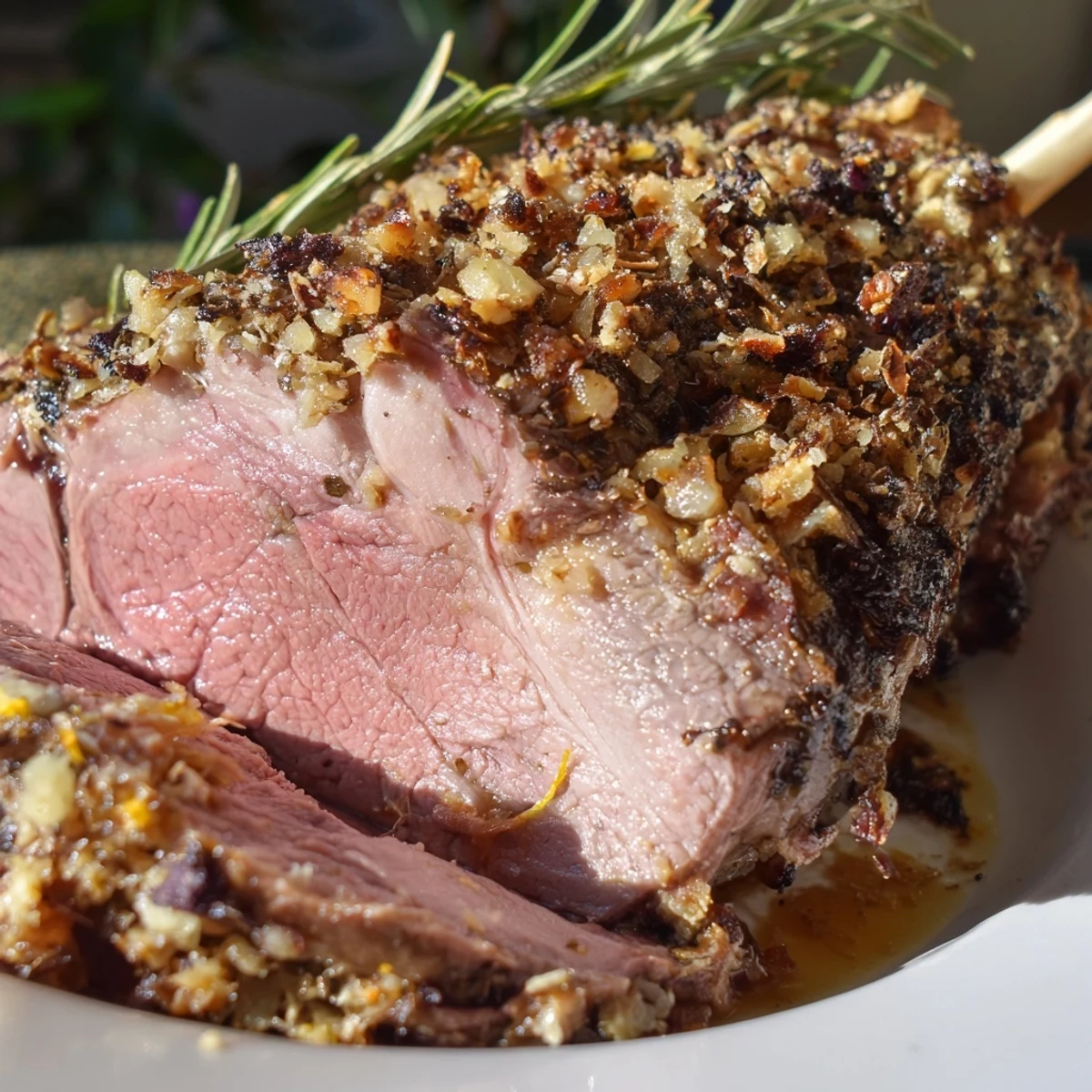
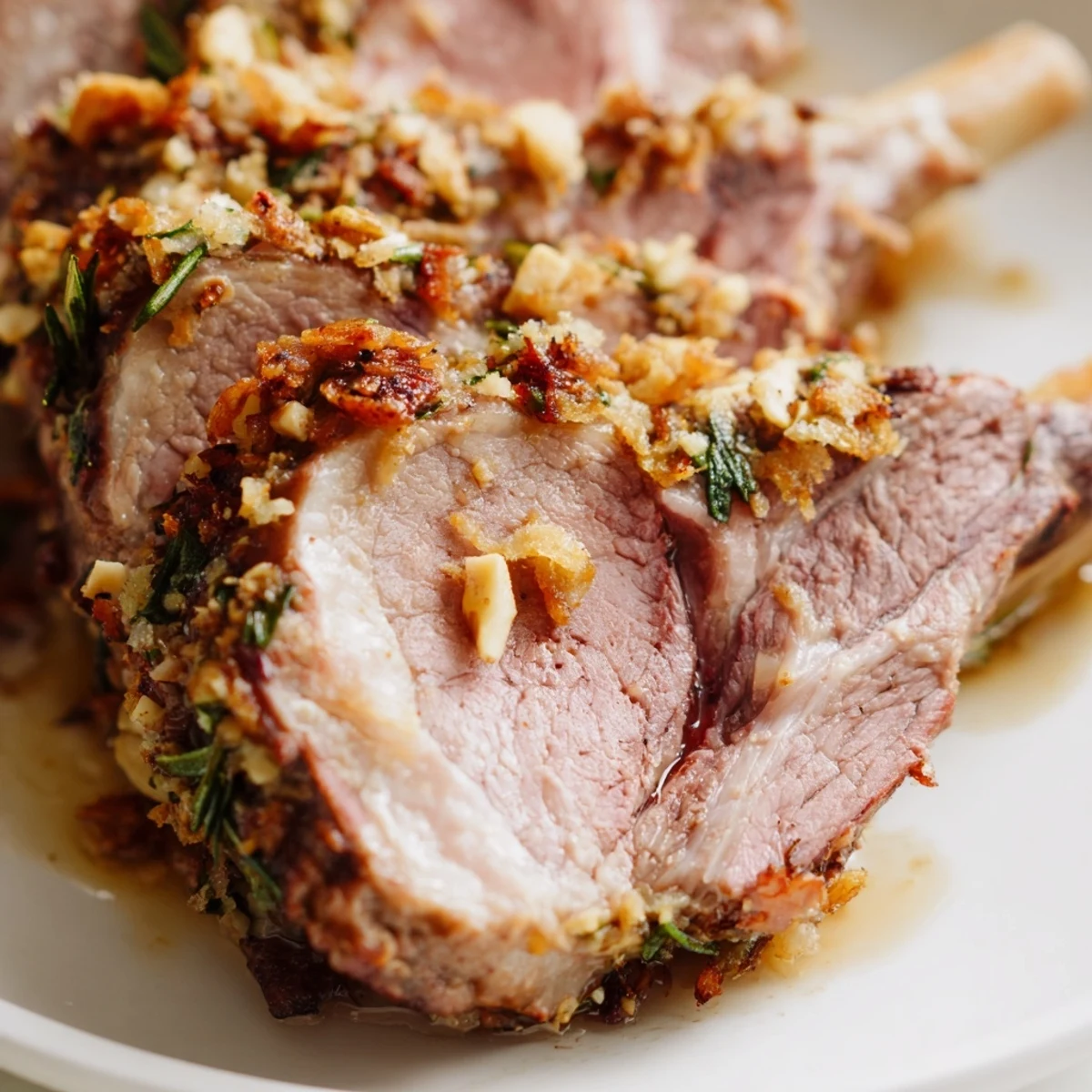
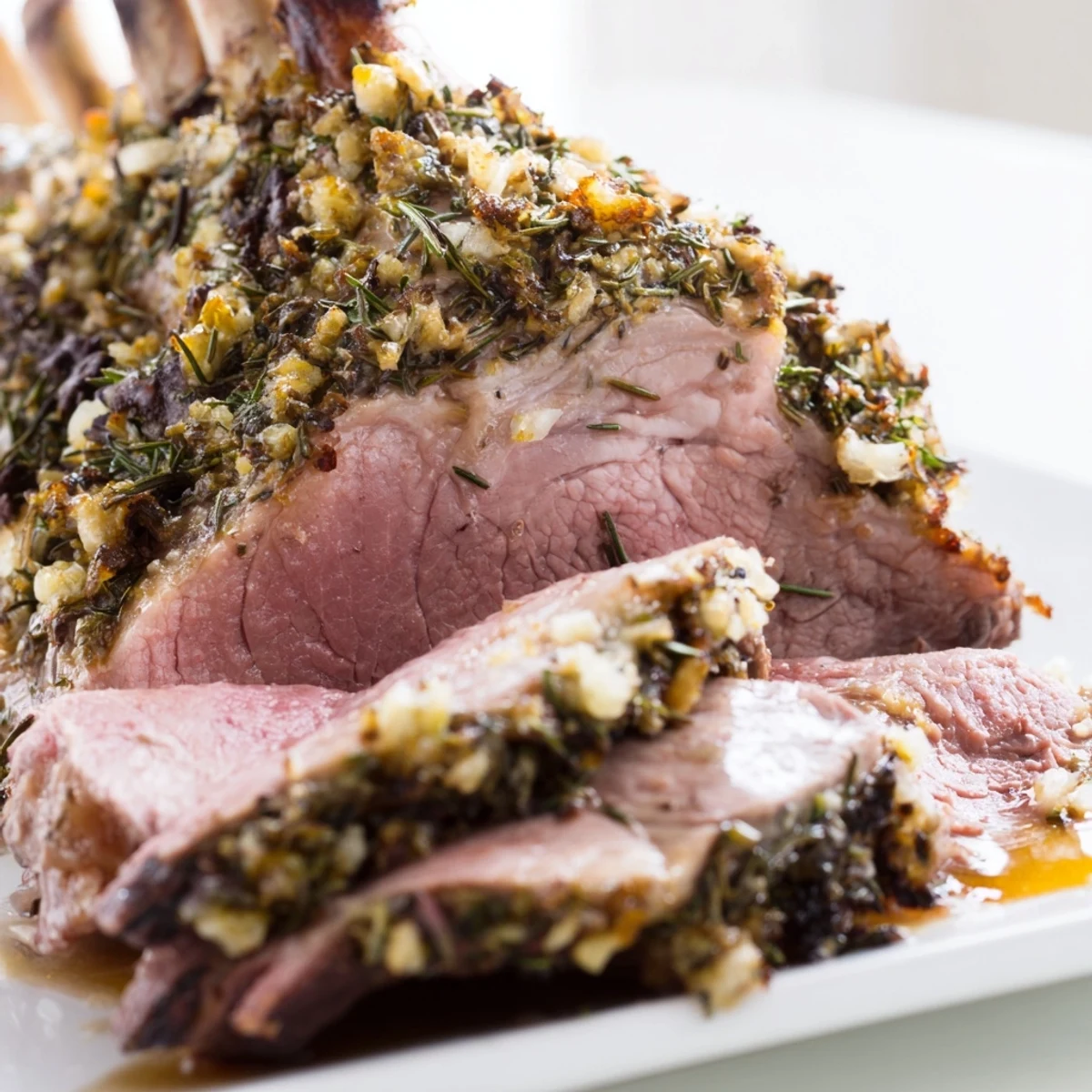
 This dish features a bone-in leg of lamb skillfully roasted after being rubbed with a savory mixture of finely chopped anchovies, fresh rosemary, thyme, garlic, and lemon zest. The anchovy-rosemary paste is massaged into deep slits made across the meat, infusing it with layers of complex flavors. Roasted at high temperature before lowering to a gentle heat, the lamb achieves a tender, juicy texture. Serving with pan juices enhanced by white wine and stock completes this hearty Mediterranean-inspired main course ideal for gatherings and special occasions.
Years ago, at a Easter dinner that stretched past midnight, I watched my uncle pull a roasted lamb from the oven and the entire room went quiet. The aroma hit before the platter did—anchovy and rosemary so bold and savory it made everyone lean forward. I'd always thought anchovies belonged only to Caesar salads, but that night I understood they were the secret weapon that transformed lamb from good to unforgettable.
The first time I made this myself, my daughter wandered into the kitchen asking what smelled like the ocean mixed with a garden. I slathered that paste into the slits I'd carved, my hands getting fragrant and slightly fishy, and realized I was doing something old and intentional. When we carved into it twenty minutes later—juice pooling on the plate, meat so tender it practically fell apart—she asked for seconds before I'd even finished the first bite.
Ingredients
- Bone-in leg of lamb (2.5–3 kg / 5.5–6.5 lb): The bone keeps the meat moist and gives you something to gnaw on later; ask your butcher to trim excess fat but leave some marbling for flavor.
- Anchovy fillets (6, or 4 if you're timid): Packed in salt and oil, these dissolve into an umami paste rather than tasting fishy; drain them well and chop fine.
- Fresh rosemary leaves (2 tbsp): Strip them from the stem and chop them small so they distribute evenly and won't char in the high heat.
- Garlic cloves (4): Mince them as fine as you can; the smaller they are, the more they meld into the rub instead of burning.
- Fresh thyme (1 tbsp): Thyme's subtle compared to rosemary, but it adds a whisper of earthiness that rounds out the flavors.
- Lemon zest (1): A microplane is worth its weight if you don't have one; the oils in the zest brighten everything without adding moisture.
- Black pepper (1 tsp, freshly ground): Grind it right before you make the rub so it's still aromatic and doesn't taste stale.
- Olive oil (2 tbsp): Good oil, not extra virgin, so it won't burn in the oven; it helps bind the rub into a proper paste.
- Coarse sea salt (1½ tsp): Applied last so it sits on the surface and creates a crust rather than dissolving into the meat too early.
- Dry white wine (1 cup): A wine you'd actually drink, not cooking wine; it keeps the pan moist and turns into something magical at the bottom.
- Chicken or lamb stock (1 cup): Low-sodium so you control the salt; this becomes your sauce if you reduce it gently.
Instructions
- Get your oven ready and your lamb ready:
- Preheat to 220°C (425°F) while you pat the lamb completely dry with paper towels—water is the enemy of a good crust. The drier the surface, the better the rub will stick.
- Make slits for the flavor:
- With a sharp knife, cut deep slits all over the lamb's surface, about a finger's width apart. These aren't just for show; they're where the rub will nestle in and infuse the meat as it cooks.
- Build the rub into a paste:
- Combine the chopped anchovies, garlic, rosemary, thyme, pepper, and lemon zest in a bowl, then stir in the olive oil until it looks like a coarse, clingy paste. Taste it on your finger if you're brave; it should be aromatic and bold.
- Massage the rub into the lamb:
- Use your hands to coat every surface, pressing the paste into the slits and working it all over like you're giving the lamb a deep massage. Don't be timid; this is where the flavor gets in.
- Season with salt and set in the pan:
- Sprinkle the sea salt evenly over the rubbed lamb, then place it on a rack in the roasting pan. Pour the white wine and stock into the bottom—not over the lamb, or you'll wash off the rub.
- Roast high, then low:
- Start at 220°C (425°F) for 20 minutes to develop a crust, then reduce the oven to 180°C (350°F) and continue for about 1 hour 10 minutes for medium-rare. Use a meat thermometer; when the thickest part hits 57°C (135°F), you're done.
- Let it rest in silence:
- Pull the lamb out, tent it loosely with foil, and leave it alone for a full 20 minutes. This lets the juices redistribute so every bite stays juicy instead of pooling on your plate.
- Make a quick pan sauce:
- While the lamb rests, skim any excess fat from the roasting pan and set it over medium heat. Let the pan juices reduce gently for a few minutes, swirling occasionally, until they're a little darker and more concentrated. Pour them over the carved lamb.
 Save to Pinterest
 My mother asked me once why I bothered with something so fancy when a simpler roast would do. I served her a slice and she went quiet, then asked for the recipe. Sometimes the effort isn't about showing off; it's about honoring the occasion and the people sitting at your table.
Why Anchovies Are Not the Enemy
I understand the hesitation. Most of us first encounter anchovies as tiny, salty fillets on a Caesar salad, and they're easy to dismiss. But in a rub like this, they're not trying to taste like fish; they're dissolving into the other flavors and adding depth that you can't quite name. It's like salt's more sophisticated cousin—it amplifies the lamb, the rosemary, the lemon without announcing itself. If you're still nervous, start with four fillets instead of six and build up from there.
Building Your Pan Sauce
The liquid at the bottom of the roasting pan is liquid gold, and it takes almost no effort to turn it into something worth serving. Skim the fat (you can save it for another use), then let it bubble gently over medium heat while the lamb rests. You're not making a gravy; you're just concentrating the flavors already there—the wine, the stock, the bits that stuck to the pan. Some cooks add a touch of Dijon mustard or a splash more wine at this stage, but honestly, the pan speaks for itself if you let it.
Expanding the Plate
A leg of lamb is already a complete dinner, but there's no shame in company. Toss halved potatoes, carrots, or shallots into the roasting pan about halfway through cooking, and they'll roast in the meat's fat and the wine below. Root vegetables belong with lamb the way bread belongs with soup—they're not necessary, but they're absolutely right. If you do this, give them space and don't crowd the pan; they need room to brown.
- Potatoes should be cut small enough to roast in the same time as the lamb, not left hard in the center.
- Shallots are sweet and mild; carrots add a slight earthiness that complements the savory rub.
- Add them to the pan during the second phase of roasting, after you've reduced the heat, so they don't burn.
 Save to Pinterest
 This is the kind of meal that stays with people, the kind they ask you to make again next year. Pull it off once and you've got a signature dish that feels far more complicated than it actually is.
Recipe FAQs
- → How does the anchovy affect the flavor?
-
Anchovies add a deep umami richness that elevates the lamb's natural savoriness without overpowering the dish.
- → What is the purpose of making slits in the lamb?
-
Slits allow the anchovy-rosemary paste to penetrate deeply, ensuring the flavors infuse throughout the meat.
- → Can I adjust the cooking time for different doneness?
-
Yes, roast until the internal temperature reaches your preferred doneness; medium-rare is about 57°C (135°F).
- → Is the white wine necessary in roasting?
-
The wine adds acidity and complexity to the pan juices, enhancing the overall taste of the lamb.
- → What sides pair well with this dish?
-
Roasted root vegetables or a fresh salad complement the lamb’s rich, herbal flavor beautifully.