
 Save to Pinterest
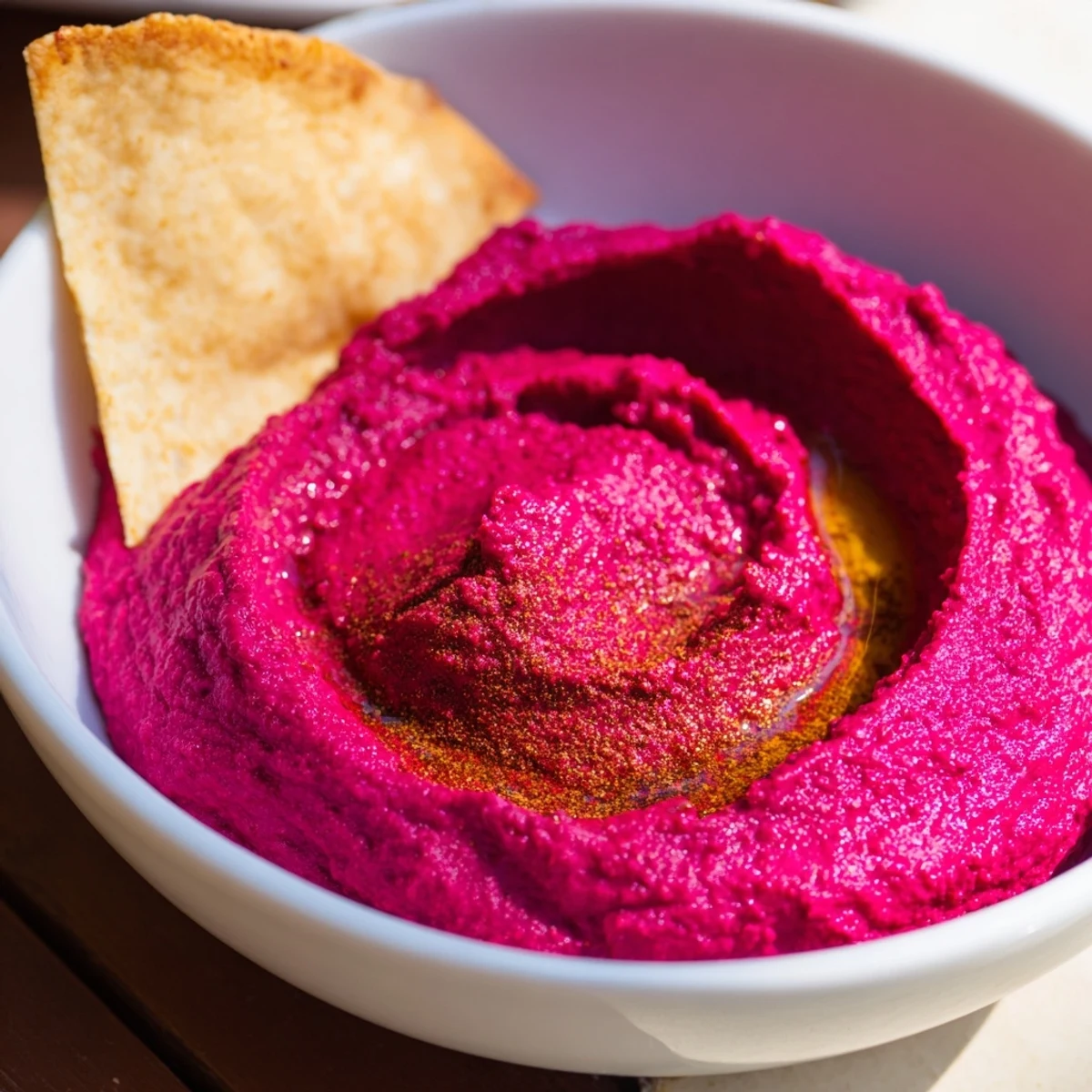
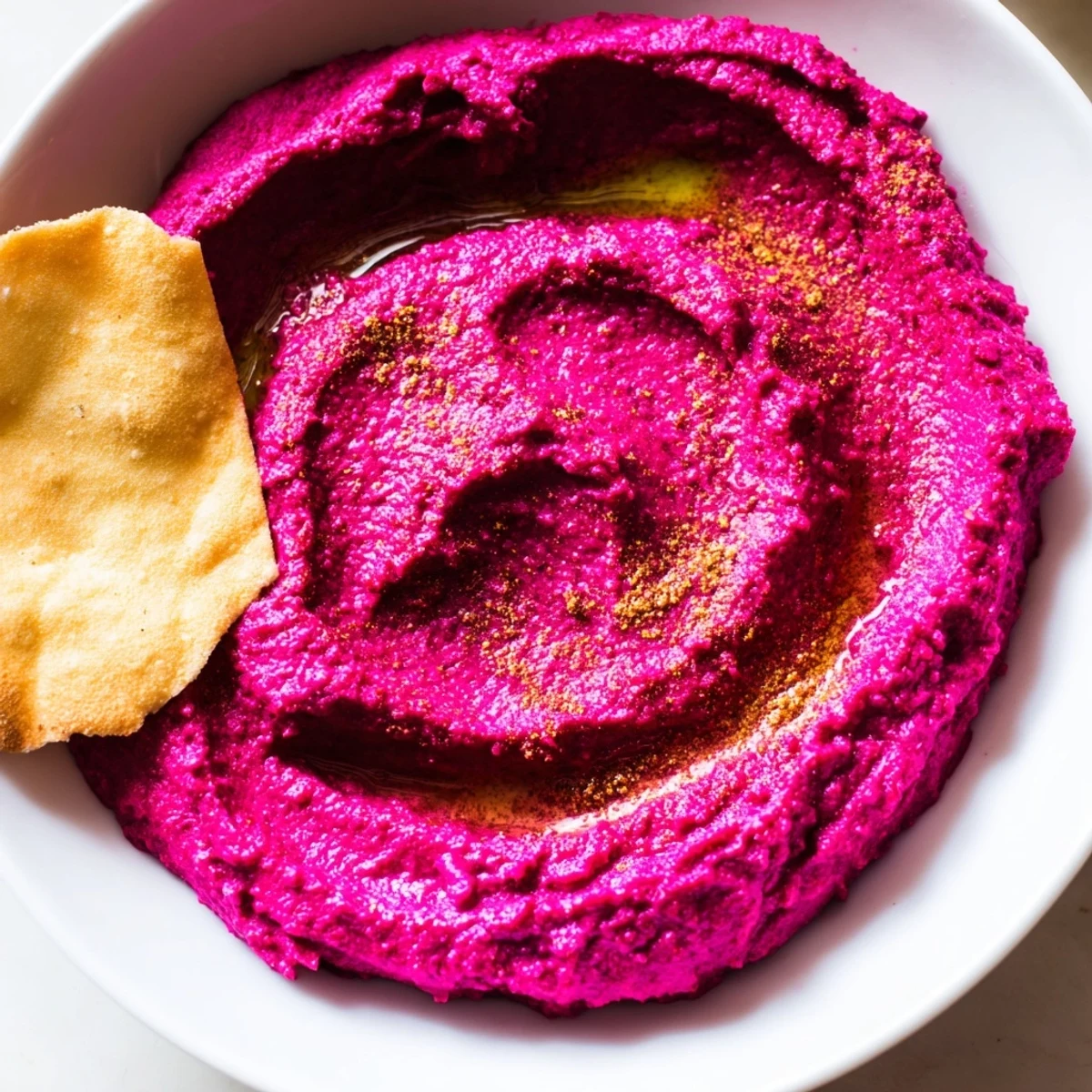
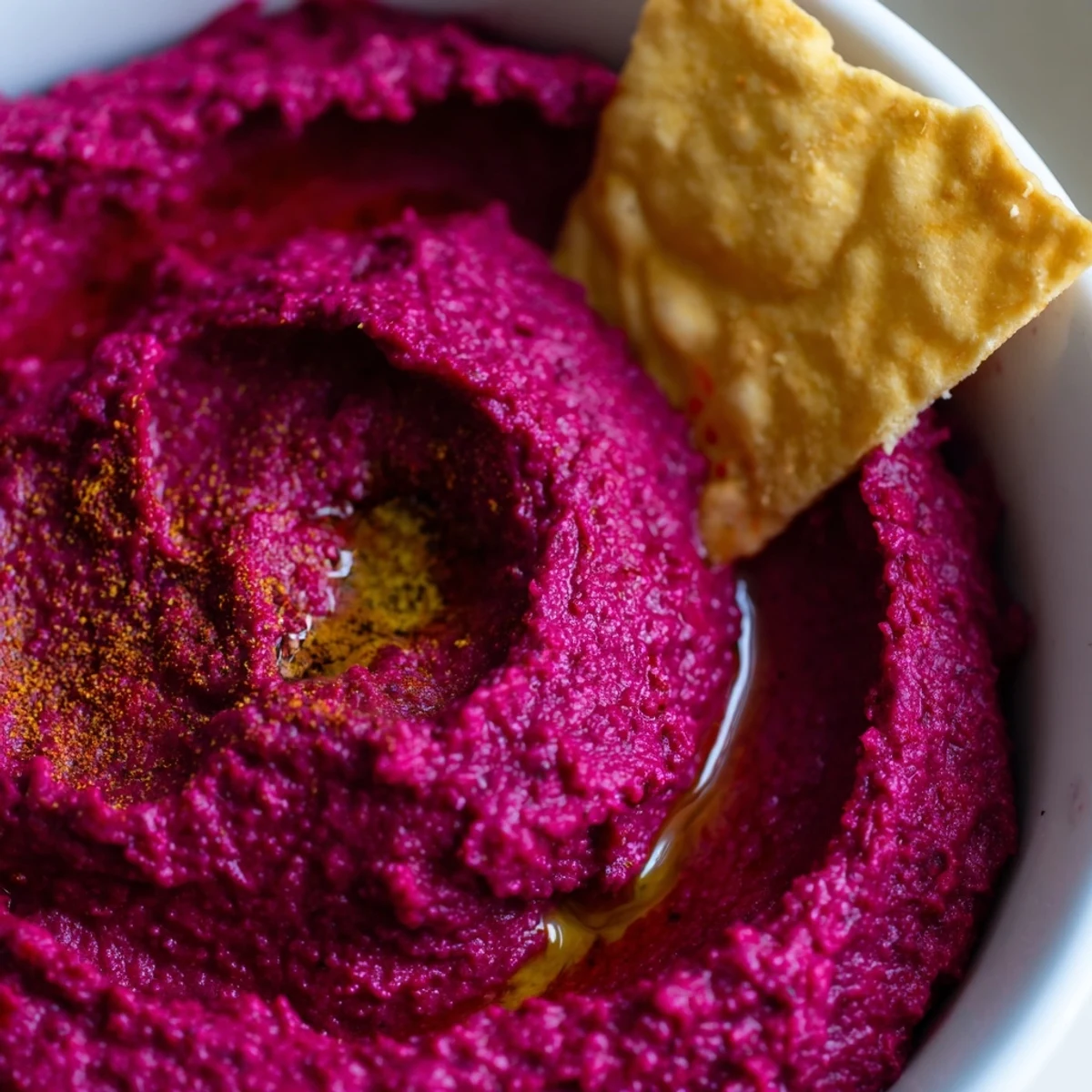
 This vibrant hummus features sweet roasted beets and smooth chickpeas blended with tahini, lemon, and spices for a creamy dip. Paired with homemade pita chips baked to golden crispness, it creates a perfect balance of flavors and textures. Garnish with olive oil and herbs to elevate each bite. Ideal for gatherings, this plant-based delight is both satisfying and visually appealing, offering easy preparation and Middle Eastern-inspired taste sensations.
There's something magical about the moment you crack open a roasted beet and the steam rises up with this earthy sweetness that fills your whole kitchen. I stumbled onto beet hummus completely by accident when I had leftover roasted beets from a salad and a can of chickpeas staring at me from the pantry. That first batch was deeper in color and more alive in flavor than any plain hummus I'd made before, and suddenly I understood why my friend kept raving about roasted vegetables in unexpected places. Now it's become the dip I make when I want to impress people without fussing.
I made this for a dinner party last spring when my garden-obsessed neighbor brought over the most stunning bunch of beets from her farm stand. The hummus came together so quickly that I had time to actually set a proper table, and watching people's faces light up when they dipped that first chip into something so brilliantly pink felt like a small victory. One guest literally asked for the recipe before finishing her plate, which honestly made my whole week.
Ingredients
- 1 medium beet, trimmed and scrubbed: This is your star ingredient, so don't skip the roasting step—it transforms the beet from just slightly sweet to deeply caramelized and complex. Medium size ensures even cooking and prevents that woody center you sometimes get with huge beets.
- 1 can chickpeas, drained and rinsed: The foundation of every good hummus; rinsing them removes the starchy liquid that can make things gummy, which I learned the hard way on my first try.
- 3 tbsp tahini: This is what makes hummus silky and creamy, and it's worth getting good tahini—the cheap stuff tastes thin and slightly bitter by comparison.
- 2 tbsp fresh lemon juice: Squeeze it yourself if you can; bottled juice flattens the whole thing and misses those bright top notes that make people ask what's different about your version.
- 1 small garlic clove, minced: One is all you need; too much will overpower the delicate beet flavor and turn this into a garlicky dip when that's not the point.
- 2 tbsp olive oil: Use something you actually like tasting, because this is raw and uncooked, so quality matters.
- 1/2 tsp ground cumin: The secret ingredient that nobody can name but everyone notices—it adds this warm undertone that ties the beet and chickpea together.
- 1/2 tsp salt and 1/4 tsp black pepper: Season as you go rather than all at once, since roasted beets vary in how much salt they need.
- 2–3 tbsp cold water: Add this slowly in the processor; it's easier to add more than to rescue something that's gotten too thin.
- 3 pita breads and 2 tbsp olive oil for chips: The oil keeps them from drying out as they crisp, and brushing them instead of tossing gives you more even browning.
- 1/2 tsp sea salt and smoked paprika: The paprika isn't required but adds a subtle smoky note that guests often notice without knowing why the chips taste so good.
Instructions
- Wrap and roast the beet:
- Wrap your beet tightly in foil and slide it onto a 400°F oven for 40–45 minutes until a fork slides through without resistance. This is when your kitchen starts smelling like an earthy, sweet promise, and you'll know it's done when even the tip goes soft.
- Make the pita chips while the beet finishes:
- Cut your pita breads into triangles, brush lightly with olive oil, and scatter them on a baking sheet with salt and paprika. Drop the oven to 375°F and toast them for 10–12 minutes, turning halfway through, until they're golden and you can hear them crunch if you pick one up—this is the moment you know they're perfect.
- Cool and prep the roasted beet:
- Once your beet is cool enough to handle, the skin slips off almost like it's falling away, and you just need to chop it into chunks. If you find it's still a little warm when you start peeling, that's actually easier than waiting for complete coolness.
- Blend everything into silky hummus:
- Add your beet, chickpeas, tahini, lemon juice, garlic, olive oil, cumin, salt, and pepper to a food processor and run it until the texture is mostly smooth but still has a little character. As it blends, you'll see the color shift from deep purple-red to this beautiful dusty pink as everything combines.
- Reach the perfect consistency:
- With the processor still running, drizzle in your cold water one tablespoon at a time until the hummus is thick but creamy—you're going for something that holds its shape on a spoon but still moves like silk. Taste it now and adjust your lemon, salt, or cumin to your preference.
- Serve with style:
- Transfer your hummus to a shallow bowl, drizzle the top with more olive oil, and maybe dust it with a pinch of cumin to draw the eye. Serve alongside those crispy pita chips while they're still warm.
 Save to Pinterest
 The real magic happens when someone who's never tried beet hummus takes that first bite and realizes something unexpected just happened in their mouth. It's that moment of quiet delight, somewhere between sweet and savory and deeply earthy, that makes you remember why sharing food matters so much.
Why This Recipe Works Every Time
Roasting mellows the beet's earthiness into pure sweetness while the tahini carries it all on this creamy wave that feels indulgent but is actually just chickpeas and a little oil. The lemon juice keeps everything bright so it never tastes heavy, and the cumin is that quiet player that makes people lean in and ask what makes this different from regular hummus. I've made this with different brands of tahini, different sized beets, even whole grain pita, and it holds up because the core technique is solid.
Variations and Substitutions That Work
I've served this over roasted vegetables, spread it on a sandwich, and even thinned it with a little more lemon juice to pour over a salad. If you can't find good tahini, white miso mixed with a little sesame oil works in a pinch, though it tastes different enough that you'll notice the change. You can also roast a small golden beet alongside your regular one if you want a more muted color and slightly different flavor profile, which I did once for someone who said red beets were too earthy—she was won over.
Storage, Serving, and Make-Ahead Tips
This hummus keeps beautifully for up to four days in the fridge in an airtight container, and I often make it the day before a gathering so I can actually relax when people arrive. The pita chips are best served fresh and warm, but you can make them a few hours ahead and reheat them in a low oven for a couple of minutes to bring back the crispness. If you're meal prepping, keep the hummus and chips separate until you're ready to serve so the chips don't get soft and sad.
- Make the roasted beet and chips up to two days ahead, but assemble the final hummus the morning you plan to serve it.
- If your hummus thickens as it sits, thin it with a splash of cold water or a squeeze of fresh lemon juice right before serving.
- The pita chips are sturdy enough for travel, so this is actually a great bring-to-a-potluck situation where everything travels well.
 Save to Pinterest
 There's something deeply satisfying about a dip that tastes like you spent hours perfecting it when you really just roasted a beet and let a food processor do the work. I hope this becomes one of those recipes you make over and over without thinking, the way I do.