
 Save to Pinterest
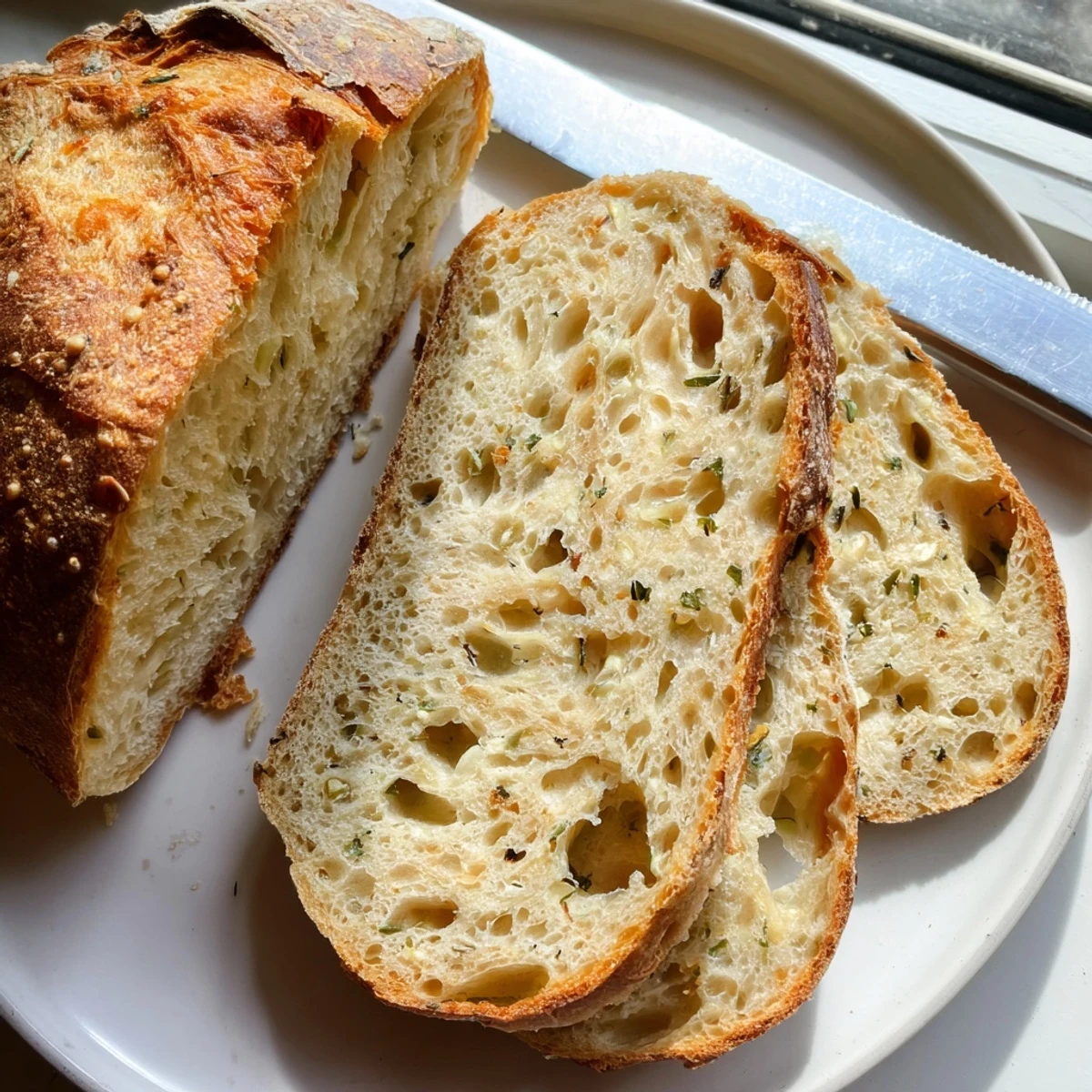
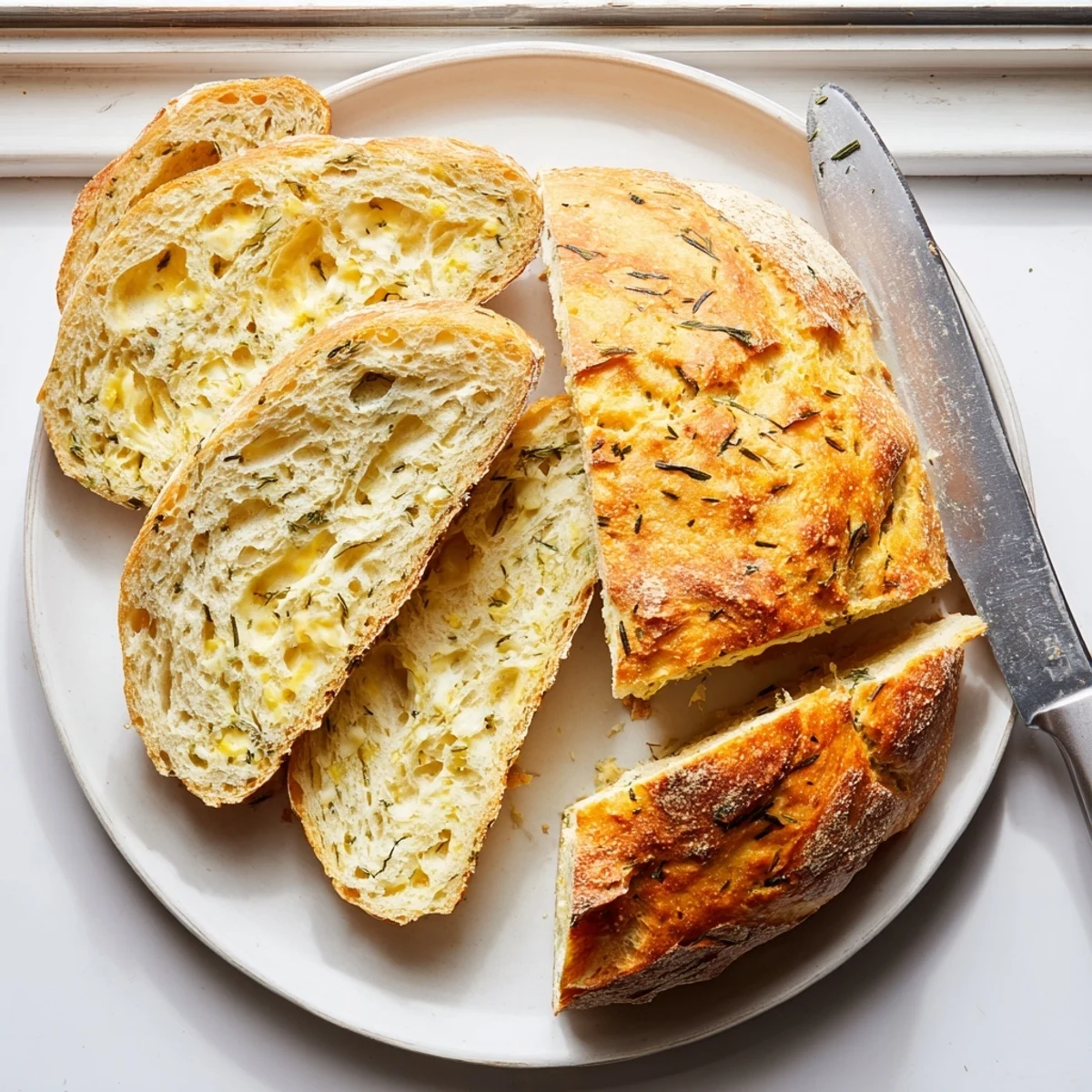
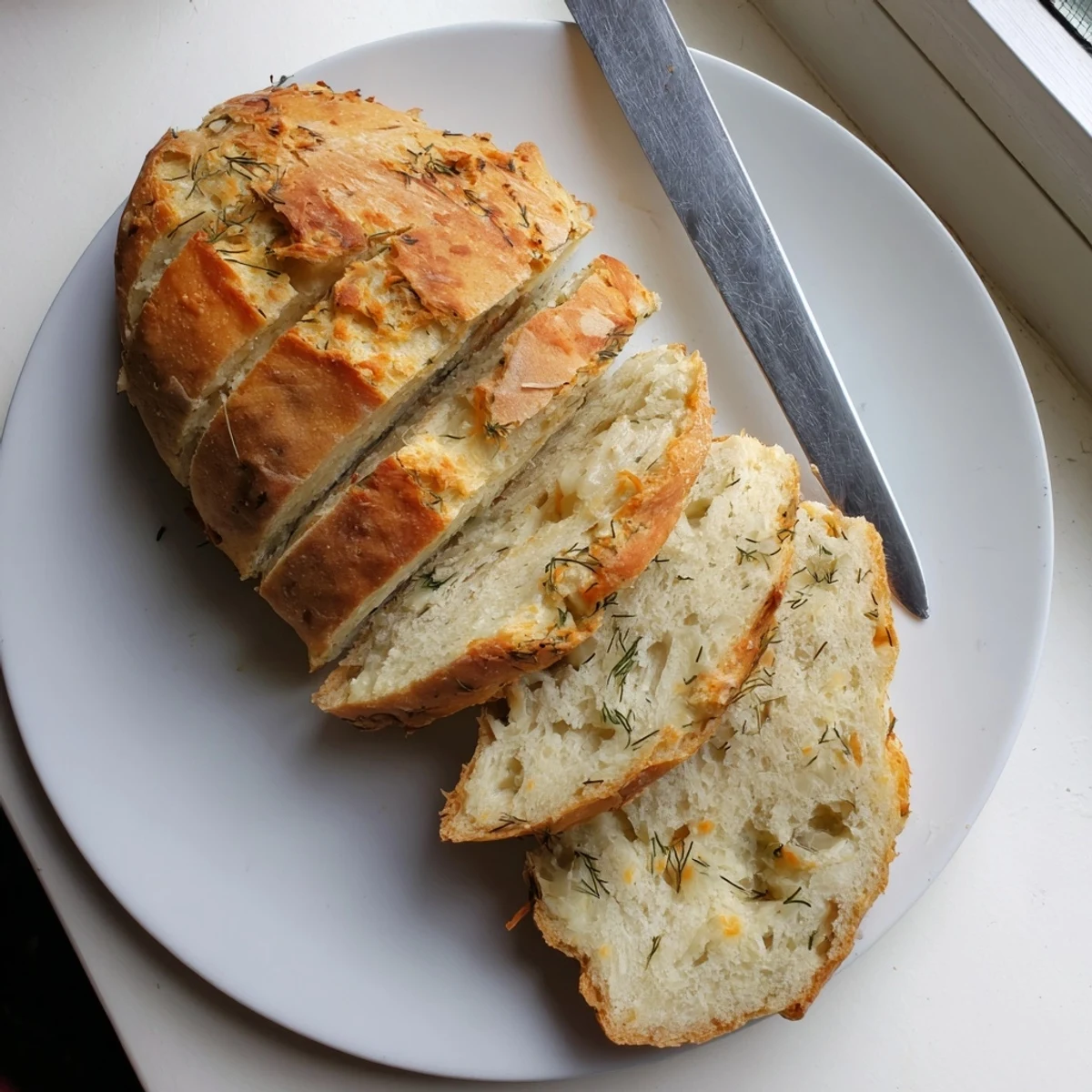
 This artisan bread combines the aromatic freshness of dill with rich, creamy Gouda cheese for a deeply flavorful loaf. The no-knead method requires just 15 minutes of active prep time, letting time and yeast work their magic over 12-18 hours of rising. Baked in a hot Dutch oven, the dough develops a professional bakery-style crust with beautifully air pockets inside. The result is a versatile European-style bread that elevates everything from morning toast to soup dunking. One generous loaf yields eight satisfying slices, each delivering 220 calories of comforting carbohydrates and protein.
The kitchen counter was still dusted with flour when my neighbor knocked on the door, drawn by the incredible smell waifting through the building. Id forgotten how intensely cheese and dill perfume the air during baking. She left with a warm slice wrapped in a tea towel, and Ive been tweaking this recipe ever since that lucky afternoon.
My teenage son, whod usually rather eat anything homemade, started sneaking slices before theyd even cooled completely. Now he requests this bread specifically when his friends come over. Theres something deeply satisfying about watching people hover around the cooling rack, unable to resist tearing off just one more piece.
Ingredients
- 3 1/4 cups bread flour: The higher protein content creates structure for all that cheese, giving you those beautiful air pockets instead of a dense loaf
- 1 1/2 tsp salt: Dont skimp here since it balances the rich cheese and highlights the dills fresh flavor
- 3/4 tsp instant yeast: This works quickly during the long rise, developing deep flavor without needing active dry yeast
- 1 cup Gouda cheese, coarsely grated: Coarse shreds create pockets of melted cheese throughout, while finer grating disappears too much into the dough
- 3 tbsp fresh dill, finely chopped: Fresh dill gives you those bright aromatic notes that dried simply cant replicate, though dried works in a pinch
- 1/2 tsp cracked black pepper: Just enough subtle warmth to complement without overpowering the delicate herbs
- 1 1/2 cups lukewarm water: The hydration level creates that signature open crumb, so measure accurately rather than estimating
Instructions
- Mix the base:
- Combine the bread flour, salt, and instant yeast in your largest bowl, then stir in the grated Gouda, chopped dill, and pepper until evenly distributed throughout the flour mixture
- Form the dough:
- Pour in the lukewarm water and stir with a spatula or wooden spoon until you have a shaggy, sticky dough that looks彻底ly undermixed and messy
- Let it rest:
- Cover the bowl tightly with plastic wrap or a lid, then walk away for 12 to 18 hours while the dough rises, bubbles, and develops incredible flavor on your countertop
- Shape the loaf:
- Generously flour your work surface, scrape the sticky dough out, and with well floured hands, gently fold the edges toward the center to create a round shape without pressing out any air
- Second rise:
- Place the dough seam side down on parchment paper, cover loosely with a clean towel, and let it rest for 30 to 60 minutes while your oven preheats
- Preheat strategically:
- Put your Dutch oven with its lid on in the oven and heat to 450F for at least 30 minutes, getting everything screaming hot for that initial oven spring
- Bake covered:
- Carefully transfer the dough on its parchment into the hot Dutch oven, score the top with a sharp knife, cover with the lid, and bake for 30 minutes
- Create the crust:
- Remove the lid and bake for another 15 to 20 minutes until the bread turns deep golden brown with a crusty, crackling surface
- Cool completely:
- Let the loaf rest on a wire rack for at least one full hour before slicing, as cutting into warm bread will make the interior gummy
 Save to Pinterest
 This bread has become my go to for housewarming gifts because it travels beautifully and feels so incredibly thoughtful. Theres something magical about presenting someone with a still warm loaf, the aroma of dill and cheese escaping as you hand it over. Every recipient has asked for the recipe within days.
Making It Your Own
The beauty of this dough base is how forgiving it is with substitutions. Sharp cheddar works beautifully if you want more bite, or try Emmental for a milder Swiss style flavor. Lemon zest adds brightness that cuts through the rich cheese, while scallions bring a subtle onion note that pairs surprisingly well with dill.
Serving Suggestions
This bread shines alongside hearty soups and stews, soaking up broth beautifully. Try it with smoked salmon and herbed cream cheese for an elevated brunch, or simply toast slices and slather with butter. The cheese creates these incredible crispy edges when toasted that are absolutely addictive.
Storage And Timing
The dough actually develops even more flavor if you let it rise closer to 18 hours, especially in a cooler kitchen. Once baked, store the loaf in a paper bag at room temperature for up to two days, or freeze slices already separated for easy toast. Never refrigerate the whole loaf unless you want sad, stale bread within hours.
- Start the dough in the evening for fresh bread at lunch the next day
- The parchment paper makes transferring to the hot Dutch oven completely foolproof
- If your Dutch oven is smaller, simply shape the dough into an oval instead of a round
 Save to Pinterest
 Theres nothing quite like tearing into a homemade loaf, especially one that fills your kitchen with such incredible anticipation. This bread has a way of making any meal feel special, and I hope it brings as much joy to your table as it has to mine.
Recipe FAQs
- → Can I use dried dill instead of fresh?
-
Yes, you can substitute 1 tablespoon of dried dill for the 3 tablespoons of fresh dill called for in this loaf. The flavor will be slightly more concentrated, so you might want to start with a smaller amount and adjust to taste.
- → What other cheeses work well in this bread?
-
Cheddar and Emmental make excellent substitutes for Gouda, offering similar melting properties and flavor depth. You could also experiment with Gruyère for a nuttier profile or Havarti for extra creaminess.
- → Why must I wait 12-18 hours for the dough to rise?
-
This extended fermentation period develops complex flavors and creates the bread's signature airy crumb structure. The slow rise allows enzymes to break down starches, while yeast creates bubbles that become those coveted air pockets.
- → Can I bake this without a Dutch oven?
-
A Dutch oven creates steam that yields a professional crust, but you can use a heavy baking dish with an oven-safe lid as an alternative. Another option is baking on a preheated stone with a tray of ice cubes beneath for steam.
- → How should I store this bread?
-
Store at room temperature in a paper bag or wrapped in a clean kitchen towel for up to 2 days. For longer storage, slice and freeze in a sealed container, then toast individual slices as needed.
- → Why is it important to cool the bread for an hour before slicing?
-
cutting too soon releases steam and trapped moisture, resulting in a gummy texture. The resting period allows the interior structure to set completely, ensuring each slice has the perfect tender yet stable crumb.