
 Save to Pinterest
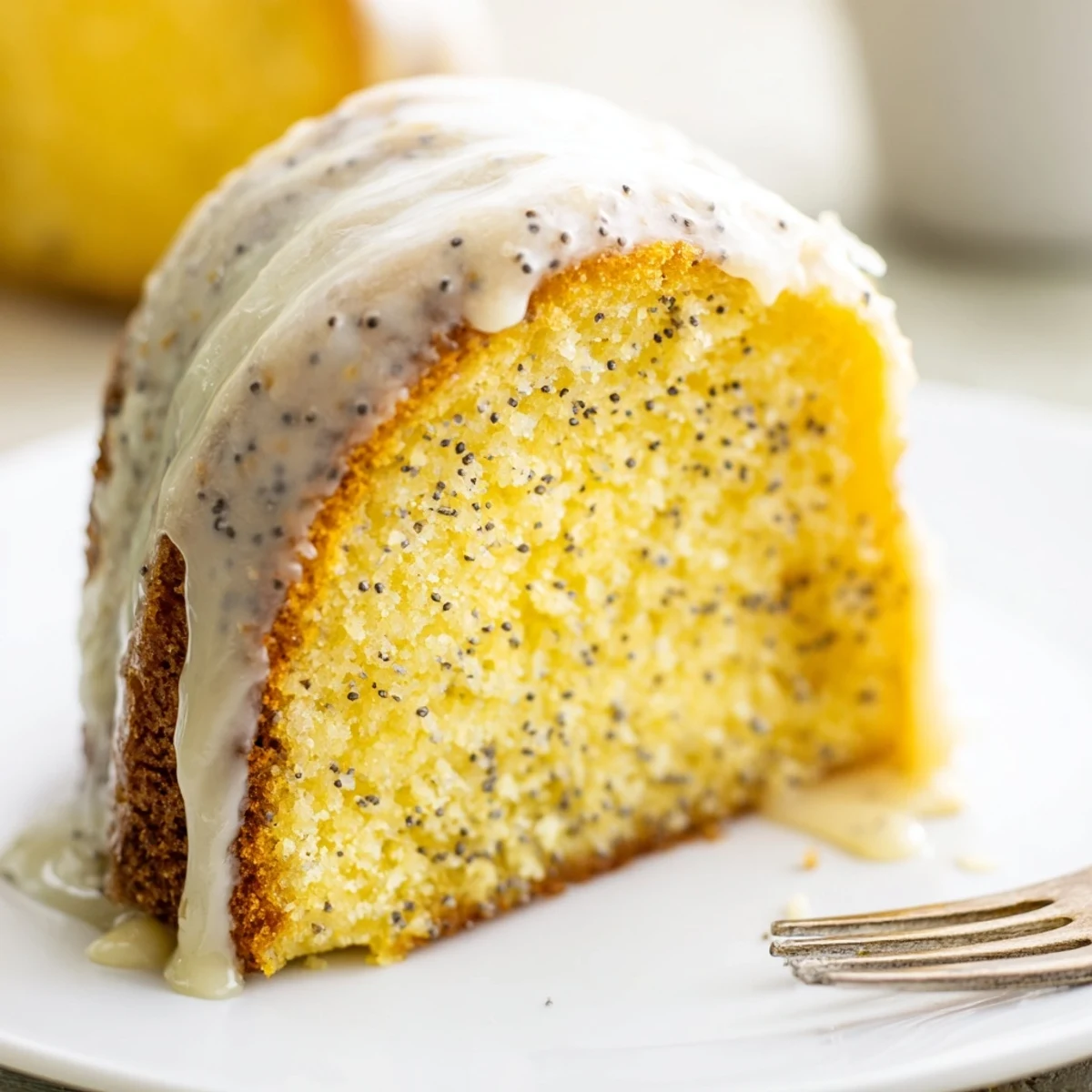
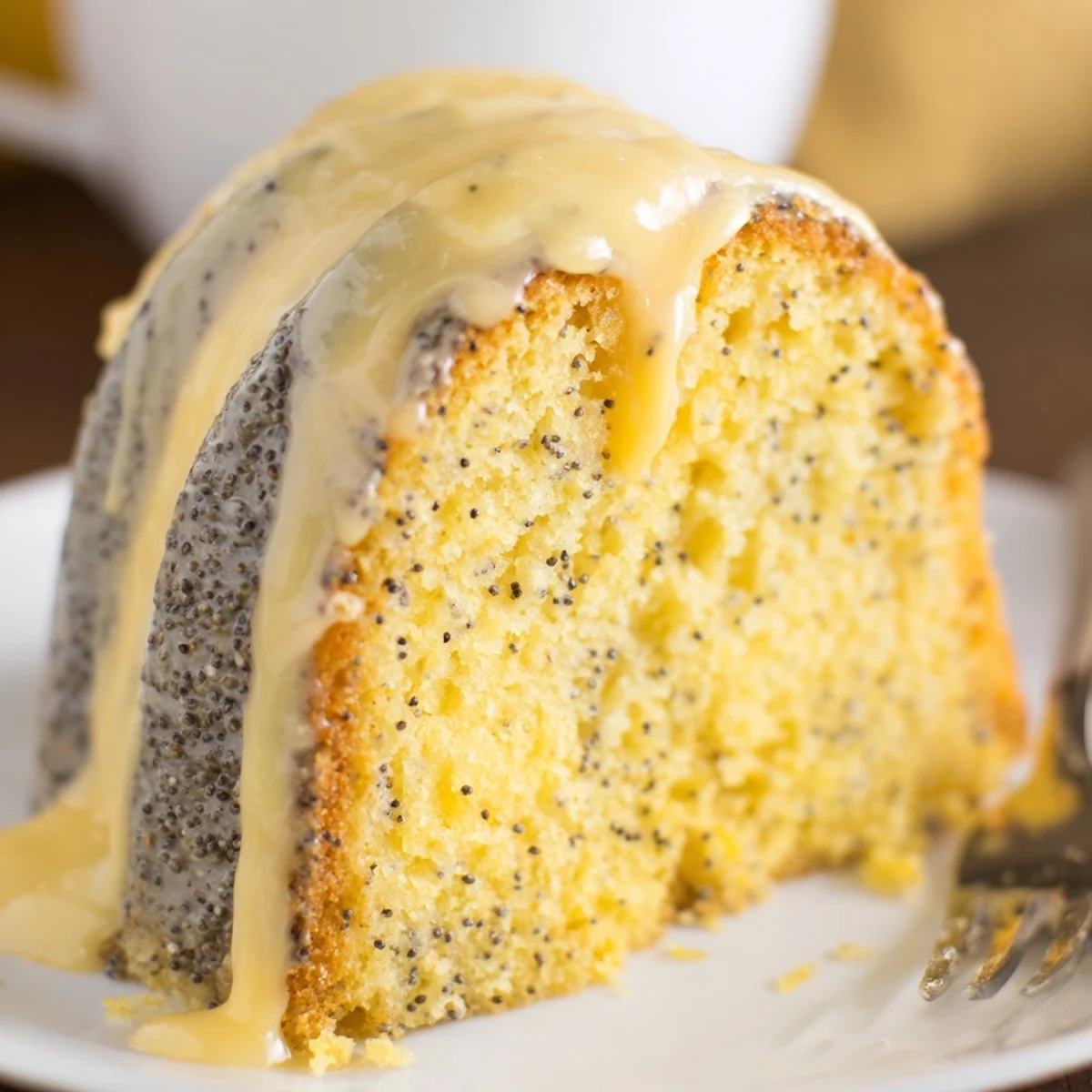
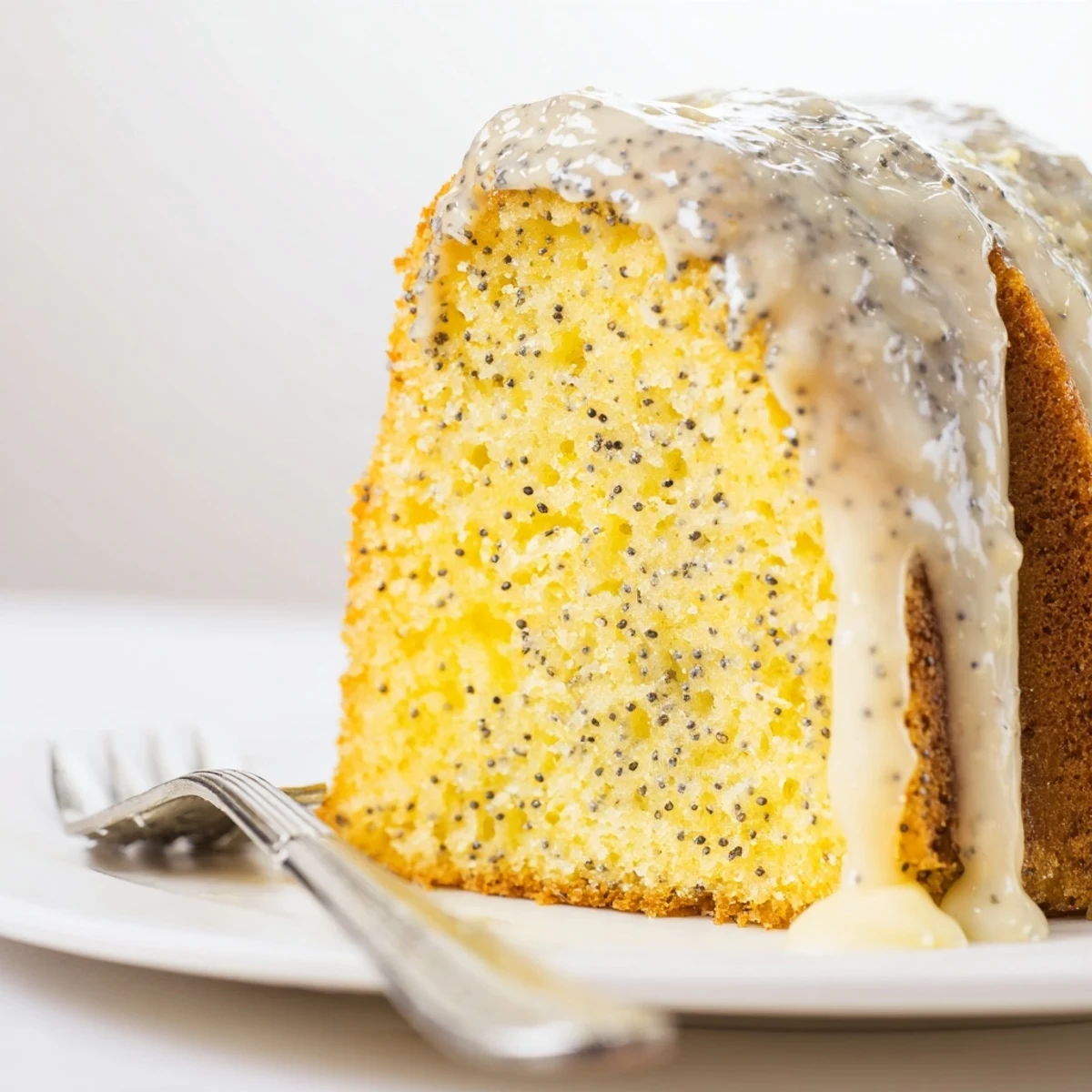
 This Bundt cake features a tender crumb infused with fresh lemon zest and juice, enhanced by the crunchy texture of poppy seeds. The batter combines softened butter, sugar, eggs, and a subtle vanilla note before being baked to golden perfection. A smooth lemon glaze, made from powdered sugar and fresh lemon juice, adds a zesty finish. Ideal for brunch or a light dessert, this cake is moist and flavorful with balanced sweetness and citrus brightness.
There's something about the smell of lemon zest hitting hot butter that makes you stop what you're doing. I learned that standing in my friend's kitchen on a grey Tuesday afternoon, watching her grate lemon over softened butter like it was the most important ingredient in the world. She was right—that cake, with its tender crumb and bright glaze, became the thing people asked for by name. This Bundt cake is my version of that moment, a recipe that feels both elegant and completely unpretentious.
I brought this cake to a Sunday brunch once, and someone asked if I'd bought it from a bakery. The compliment stuck with me, not because it mattered that much, but because I'd honestly thought the cake might be too simple, too straightforward. Watching people come back for second slices while sipping tea made me realize that sometimes the best desserts don't need to be complicated—they just need to taste like home.
Ingredients
- All-purpose flour: Use quality flour if you can; it makes a difference in the tender crumb.
- Baking powder and baking soda: Both work together to lift the cake gently without making it dense or heavy.
- Poppy seeds: Toast them lightly in a dry pan first if you want deeper flavor, though fresh ones work beautifully too.
- Unsalted butter: Room temperature is non-negotiable; cold butter won't cream properly with the sugar.
- Granulated sugar: Don't skip the creaming step—it's where the cake gets its tender, light structure.
- Fresh eggs at room temperature: They incorporate into the batter more evenly and create better texture.
- Lemon zest and juice: Zest the lemons before cutting them in half; the flavor is brightest and most fragrant.
- Whole milk: The acidity from lemon juice and the milk creates a tender crumb; they work as a team.
- Vanilla extract: A touch that rounds out the lemon without competing with it.
- Powdered sugar for glaze: Sift it first to avoid lumps that won't dissolve smoothly.
Instructions
- Prepare your pan and preheat:
- Get your Bundt pan really well greased and floured—this cake needs every crevice protected or it'll stick. A 350°F oven is your sweet spot; too hot and the outside browns before the inside bakes.
- Mix dry ingredients:
- Whisk flour, baking powder, baking soda, salt, and poppy seeds together. This ensures the leavening agents are evenly distributed throughout the cake.
- Cream butter and sugar:
- Beat them for a full 3–4 minutes until the mixture is pale and fluffy, almost like whipped cream. This step is where the magic happens—you're incorporating air into the batter.
- Add eggs one at a time:
- Wait for each egg to fully incorporate before adding the next. You'll see the batter change texture slightly with each addition.
- Add lemon zest and vanilla:
- Mix these in while the eggs are still being incorporated. The zest releases its oils and distributes the flavor evenly.
- Combine milk and lemon juice:
- Measure them together in a cup; they'll sit together for a moment, and that's fine.
- Alternate wet and dry mixtures:
- Start with flour, then milk mixture, then flour again, ending with flour. Low speed only—overmixing creates a tough, dense cake, and you want tender and moist.
- Pour into prepared pan:
- Pour the batter evenly and smooth the top with a spatula so it bakes uniformly.
- Bake:
- Start checking around 45 minutes with a skewer; it should come out clean or with just a few moist crumbs. Every oven is different, so don't set a timer and walk away.
- Cool in pan, then turn out:
- Letting it rest for 15 minutes helps the cake set slightly so it releases cleanly. Run a thin knife around the edges before inverting if you're nervous.
- Make and apply glaze:
- Whisk powdered sugar, lemon juice, and zest until it's smooth and just pourable. Drizzle it over the completely cooled cake so it sets into a glossy finish.
 Save to Pinterest
 My daughter once asked why I made this cake again, and I realized it had become the dessert I reach for when I want people to feel welcomed. There's something about the combination of tender, moist cake with that bright, assertive glaze that says I cared enough to get it right.
The Secret to a Moist Crumb
The trick here is the combination of whole milk and fresh lemon juice. The acidity tenderizes the gluten slightly, and the milk adds richness without making the cake heavy. Some recipes use buttermilk, which works, but fresh lemon juice gives you that bright flavor as well as the chemical reaction you need. Don't be tempted to use bottled juice; the flavor difference is noticeable, and fresh juice has that acidity that actually matters to the texture.
Serving and Pairing
This cake is surprisingly versatile. Serve it warm with afternoon tea, or chill it and slice it for a light dessert after dinner. The glaze gives it visual elegance, but it's equally good with just a dusting of powdered sugar if you're serving it casually. I've paired it with everything from sparkling wine to black coffee, and it feels right every time.
Make-Ahead and Storage
You can prepare the dry ingredients a day ahead—keep them in an airtight container. The batter itself is best made fresh, but the whole cake keeps beautifully at room temperature covered for up to three days, which makes it perfect for preparing ahead for entertaining. Some people refrigerate it, but I find it tastes better at room temperature, where the lemon flavor really shines.
- If you want even more lemon flavor, brush the warm cake with extra lemon juice before glazing.
- You can substitute Greek yogurt for half the butter if you prefer a lighter texture, though the cake will be slightly less rich.
- A strand or two of lemon zest scattered on top of the glaze before it sets is a simple flourish that looks intentional.
 Save to Pinterest
 This cake has a way of making ordinary moments feel a little special. Bake it when you want something beautiful that doesn't require you to be a pastry chef.
Recipe FAQs
- → How do poppy seeds affect the texture?
-
Poppy seeds add a delicate crunch and subtle nutty flavor that contrasts nicely with the moist, tender crumb of the cake.
- → Can I substitute the butter with yogurt?
-
Yes, replacing half the butter with Greek yogurt lightens the texture while keeping the cake moist and flavorful.
- → What is the best way to achieve a smooth lemon glaze?
-
Whisk powdered sugar with fresh lemon juice and zest until smooth, adjusting juice amount for desired consistency before drizzling.
- → How to prevent the cake from sticking to the pan?
-
Generously grease and flour the Bundt pan, making sure all crevices are coated to ensure easy release after baking.
- → Can I make this cake ahead of time?
-
Yes, store covered at room temperature for up to 3 days to retain moisture and flavor; glaze before serving.