
 Save to Pinterest
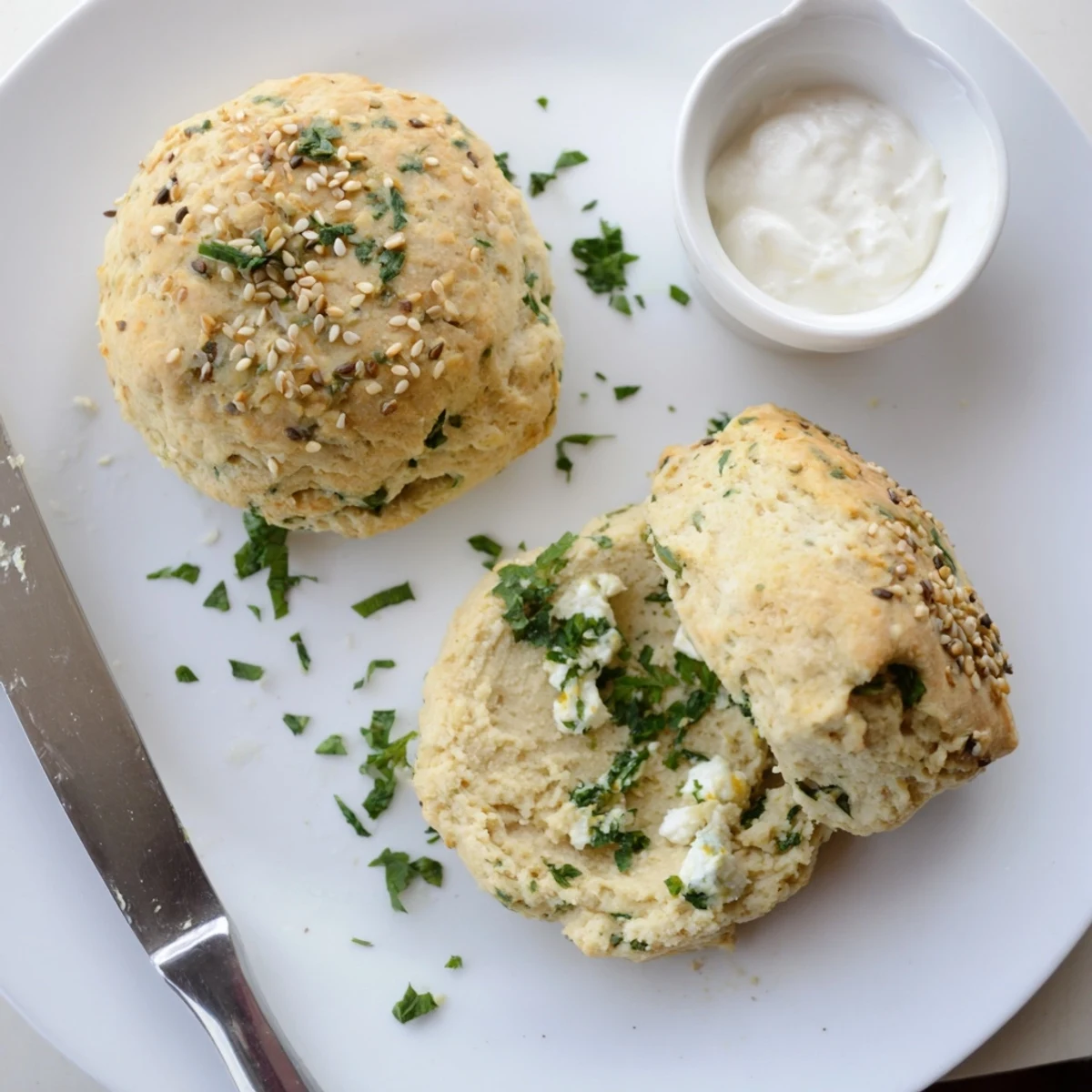
 These tender, savory scones are enriched with creamy hummus for moisture and a gentle tang. In about 35 minutes total, whisk dry ingredients, rub cold butter into the flour until coarse crumbs form, then fold in a hummus, milk and egg mixture; stir in herbs, crumbled feta or sesame if desired. Pat to 2.5 cm, cut 6 cm rounds and bake at 200°C for 18–20 minutes until golden. Cool slightly and serve warm; use plant milk and a flax egg for a vegan version.
My kitchen radiator clicked on that first cold Tuesday in October and I stood there craving something warm but unwilling to commit to a full project. I had half a tub of hummus nearing its expiry date and a bag of flour that had survived three apartment moves. The idea of folding chickpea cream into a British scone felt reckless, maybe even a little disrespectful to both traditions, but the oven was already preheating before I could talk myself out of it.
I brought a batch to my neighbor Meghans potluck and she held one up, suspicious, asking what the green flecks were. When I said parsley and hummus she took a bite and then quietly stacked three more on her plate without making eye contact.
Ingredients
- All-purpose flour (250 g): Spoon and level it rather than scooping straight from the bag to avoid dense scones.
- Baking powder (2 tsp): Check the date on the tin because old baking powder is the silent killer of good scones.
- Baking soda (1/2 tsp): This works with the slight acidity in hummus to give an extra lift.
- Salt (1/2 tsp): Essential here since the rest of the flavors are subtle.
- Hummus (100 g): Store-bought works perfectly but a coarse homemade batch adds wonderful texture.
- Milk (80 ml): Dairy or oat milk both work, just keep it cold.
- Cold unsalted butter (60 g), cubed: Freeze it for ten minutes before using so it stays firm while you rub it in.
- One large egg: Binds everything together and enriches the crumb.
- Chopped parsley or chives (2 tbsp): Entirely optional but they add a fresh note that makes these feel finished.
- Crumbled feta (30 g): Scatter it in if you want a salty, tangy surprise in every other bite.
- Toasted sesame seeds (1 tbsp): A handful on top gives crunch and nods to the Middle Eastern side of the family.
Instructions
- Get the oven ready:
- Preheat to 200 degrees C (400 degrees F) and line a baking tray with parchment paper so nothing sticks.
- Whisk the dry team:
- In a large bowl, whisk the flour, baking powder, baking soda, and salt together until evenly distributed and you see no clumps.
- Rub in the butter:
- Toss in the cold cubed butter and use your fingertips to rub it through until the mixture looks like coarse sand with a few pea-sized bits remaining.
- Combine the wet ingredients:
- In a separate bowl, whisk the hummus, milk, and egg until smooth and pale.
- Bring it together:
- Pour the wet mixture into the dry and use a spatula to fold gently until it just barely holds together, resisting the urge to knead.
- Fold in extras:
- If you are using herbs, feta, or sesame seeds, fold them in now with two or three gentle turns.
- Shape and cut:
- Turn the dough onto a lightly floured surface, pat it into a round about 2.5 cm thick, and cut out scones with a 6 cm cutter, pressing straight down without twisting.
- Finish and brush:
- Arrange the scones on the tray, brush the tops with a little milk, and sprinkle with extra sesame seeds or herbs if you like.
- Bake:
- Bake for 18 to 20 minutes until the tops are golden and the scones have risen proudly, then let them cool slightly before eating.
 Save to Pinterest
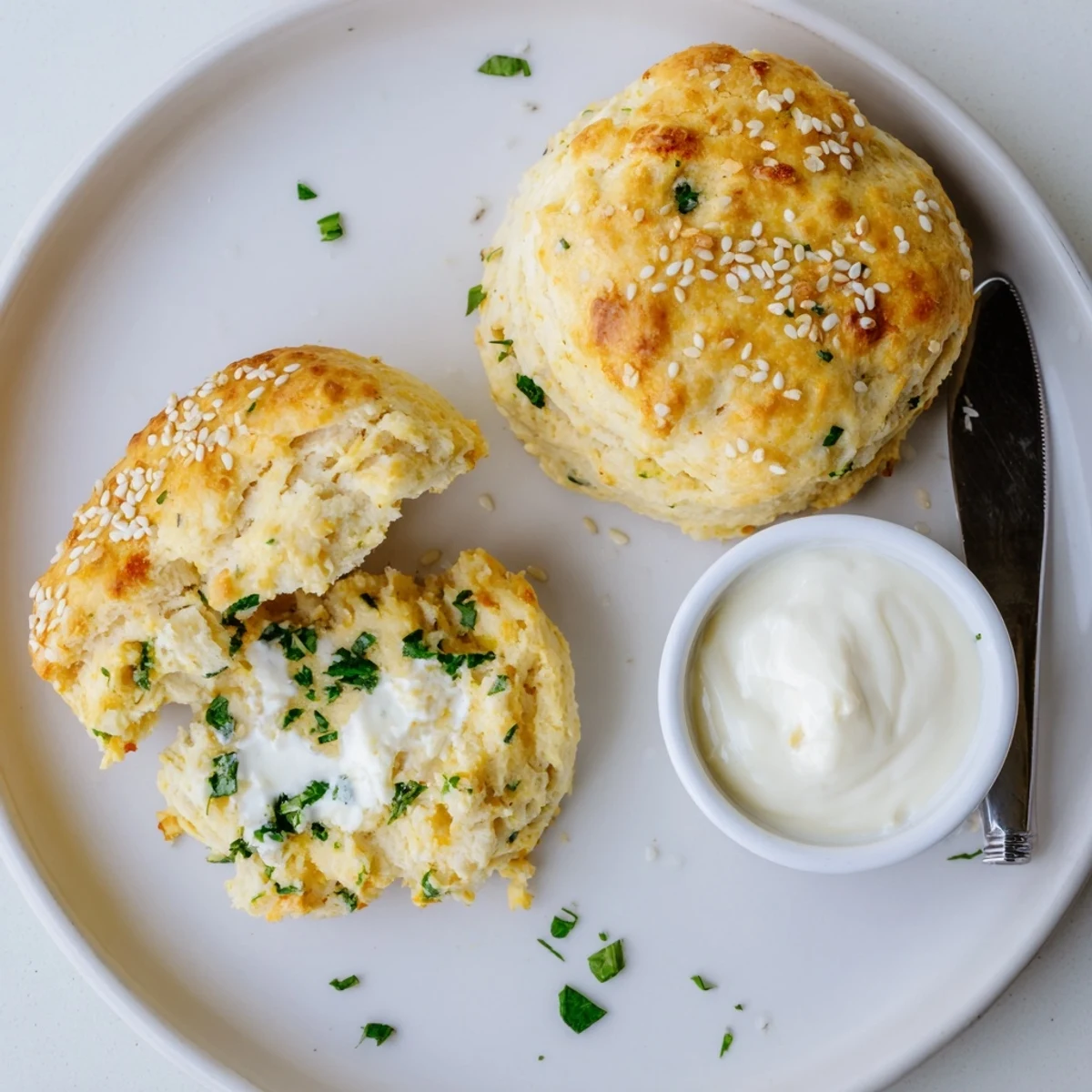
 The moment these came out of the oven, golden and faintly smelling of tahini, I realized they had become the thing I never knew my afternoon tea routine was missing.
Serving Ideas Worth Trying
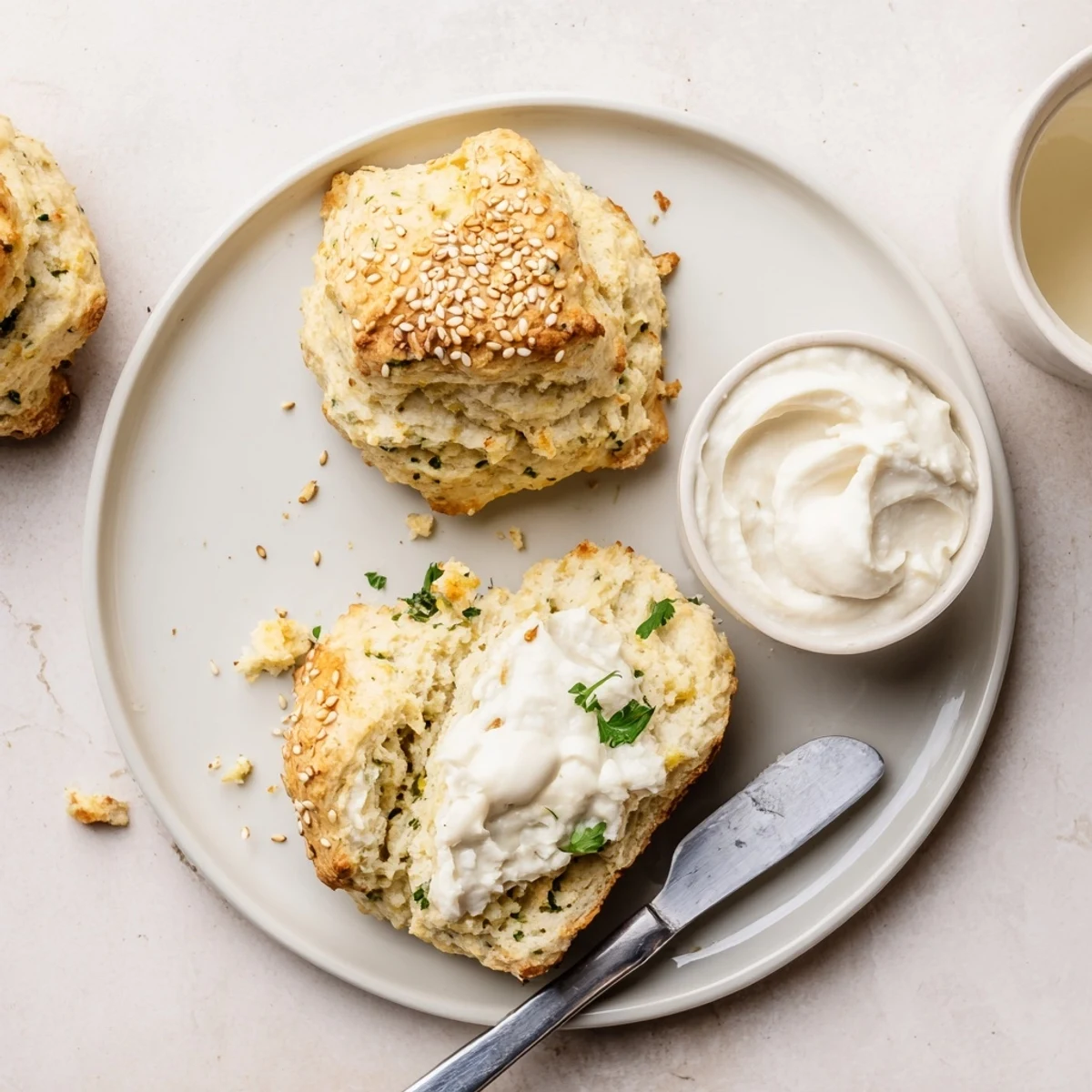
Split them warm and spread extra hummus inside for a double hit, or serve them alongside a bowl of roasted tomato soup when you want dinner to feel intentional without much effort.
Making Them Your Own
Try roasted red pepper hummus instead of plain and watch the scones turn a faint sunset orange in the oven. A friend of mine swaps the feta for grated sharp cheddar and adds a pinch of smoked paprika, which sounds chaotic but actually works beautifully.
Storage and Reheating
These keep well in an airtight container for two days, though the texture is best on day one. You can freeze baked scones for up to a month and reheat them directly from frozen in a 180 degree C oven for about ten minutes.
- Let them cool completely before storing so condensation does not make the bottoms soggy.
- A quick ten seconds in the microwave works if you are impatient but the oven gives a better crust.
- Do not refrigerate baked scones because the cold dries them out faster than leaving them at room temperature.
 Save to Pinterest
 Some recipes demand precision and ceremony, but these scones only ask for cold butter and a willingness to try something slightly odd. Trust the hummus and enjoy the result.
Recipe FAQs
- → How do I get a flaky, tender scone texture?
-
Keep the butter very cold and rub it into the flour only until you have coarse crumbs. Handle the dough minimally—overworking develops gluten and makes scones dense. Pat the dough to thickness once, cut straight down with a cutter and bake immediately for best rise.
- → Can I make these without eggs or dairy?
-
Yes. Substitute plant-based milk and use a flaxseed egg (1 tbsp ground flax + 2.5 tbsp water) in place of the egg. Use vegan butter to maintain the same flaky texture. Check store-bought hummus for any dairy in flavored varieties.
- → How should I store and reheat leftovers?
-
Store cooled scones in an airtight container at room temperature for up to 2 days or freeze for up to 1 month. Reheat from frozen at 160°C for 10–15 minutes or warm room-temperature scones in a low oven for 5–7 minutes to refresh the crust.
- → What hummus flavors or add-ins work best?
-
Classic or roasted red pepper hummus both complement the dough. Fold in chopped parsley or chives for brightness, crumbled feta for tang, or sprinkle toasted sesame seeds on top for crunch and aroma.
- → Can I use a gluten-free flour?
-
Yes—use a 1:1 gluten-free all-purpose flour blend that contains xanthan gum for structure. Texture may be slightly different; chill the dough briefly and handle gently to retain as much rise as possible.
- → Any tips for uniform scone shapes and even baking?
-
Pat the dough to an even 2.5 cm thickness and use a sharp 6 cm cutter pressed straight down without twisting. Space scones evenly on a lined tray and rotate the tray halfway through baking for uniform color and rise.