
 Save to Pinterest
 Elevate fresh pasta with the complexity of active sourdough starter, creating rustic noodles with distinctive tang and tender texture. This traditional Italian technique transforms simple flour and eggs into something extraordinary, delivering depth that commercial pasta cannot match. The fermentation process develops subtle sour notes while improving digestibility, resulting in noodles that perfectly hold sauces. Whether shaped into tagliatelle, fettuccine, or sheets for lasagna, each bite offers satisfying chew and complex flavor. Best paired with bold tomato sauces, vibrant pesto, or browned butter with sage to complement the natural acidity.
The first time I pulled handmade noodles from boiling water, something clicked about why fresh pasta matters. That slight chew, the way sauce clings differently than dried pasta can achieve. This sourdough version came later, born from a fridge full of starter and curiosity. Now the tangy depth makes going back to regular eggs-and-flour dough feel incomplete somehow.
My friend Sarah watched me make this once, skepticism written all over her face until she tasted it. She kept asking what the secret ingredient was, not believing me when I said sourdough starter. Now she texts me photos of her pasta attempts, always with that same realization that the extra step changes everything about how a meal feels.
Ingredients
- 200 g all-purpose flour: The base structure, though Ive mixed in some semolina for extra bite when I want something closer to dried pasta texture
- 100 g active sourdough starter: Use starter at peak bubbly stage, not the discard from feeding day, for proper rise and flavor development
- 2 large eggs: Room temperature eggs incorporate more easily into the dough without fighting the temperature difference
- 1/2 tsp fine sea salt: Enhances flavor without interfering with gluten development the way coarse salt can
- 1 tbsp olive oil: Makes the dough more forgiving, especially helpful on dry winter days when flour absorbs more moisture
Instructions
- Mix the base:
- Mound flour on your work surface or use a bowl, creating a deep well in center like youre building a little crater
- Combine wet ingredients:
- Whisk starter, eggs, and olive oil together before pouring into the well, which prevents runaway egg chasing you across the counter
- Form the dough:
- Gradually pull flour into the center with your fork, letting the shaggy mess come together on its own timeline
- Knead until smooth:
- Work the dough for 8 to 10 minutes until it feels like playdough, springing back when you press it
- Let it rest:
- Wrap tightly and walk away for an hour, because gluten relaxation makes rolling significantly easier
- Divide and roll:
- Cut dough in half so it stays manageable, keeping one portion covered while rolling the other
- Shape your pasta:
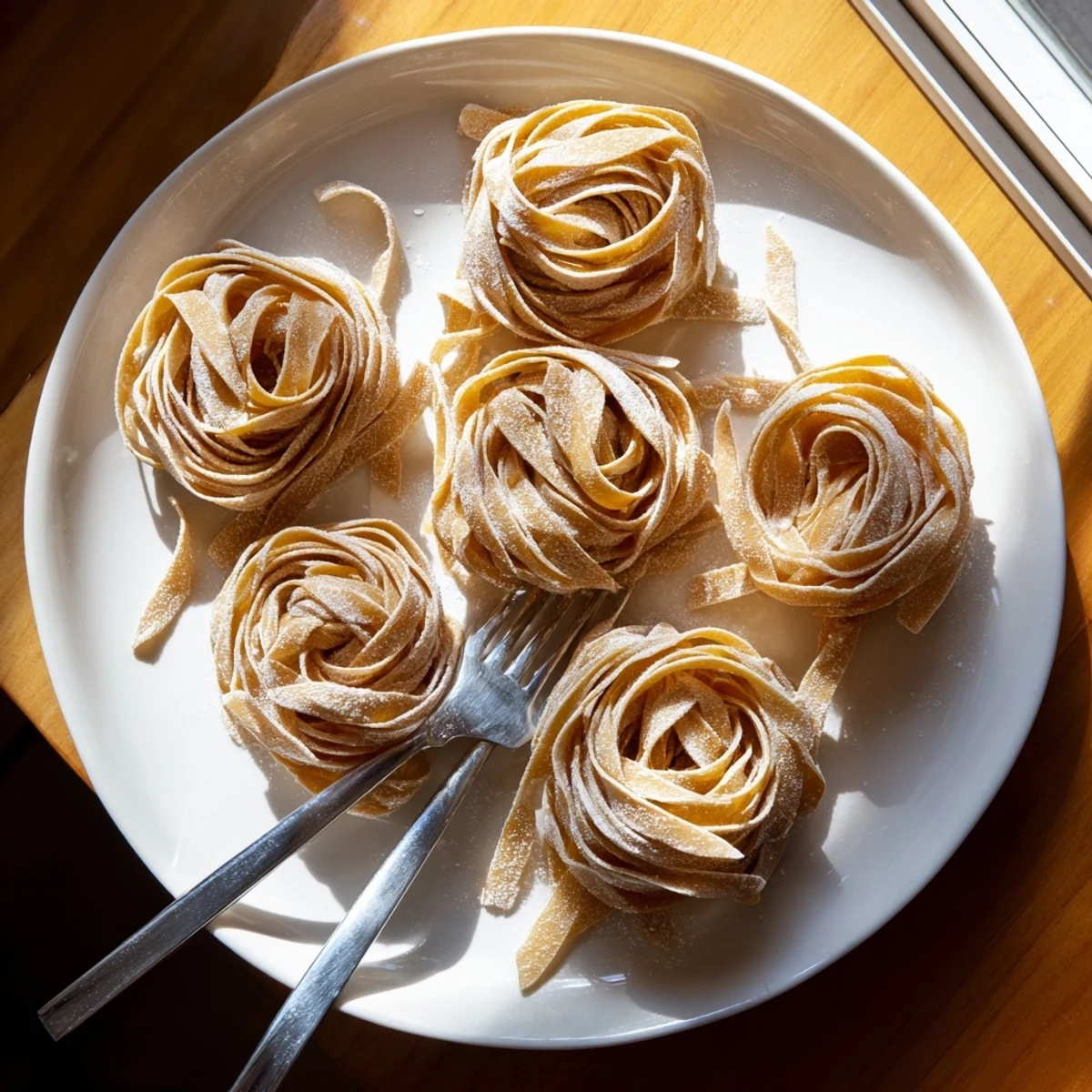
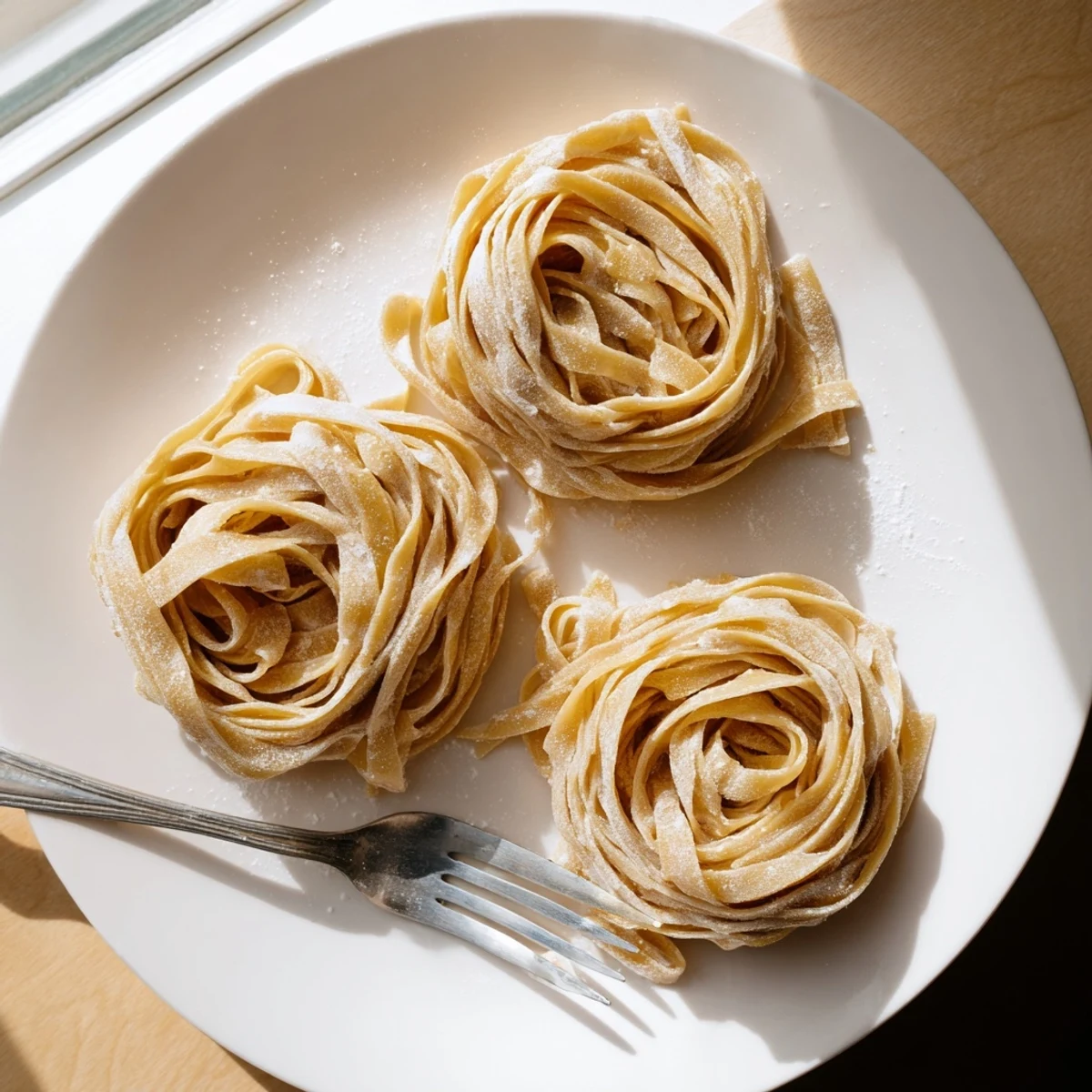
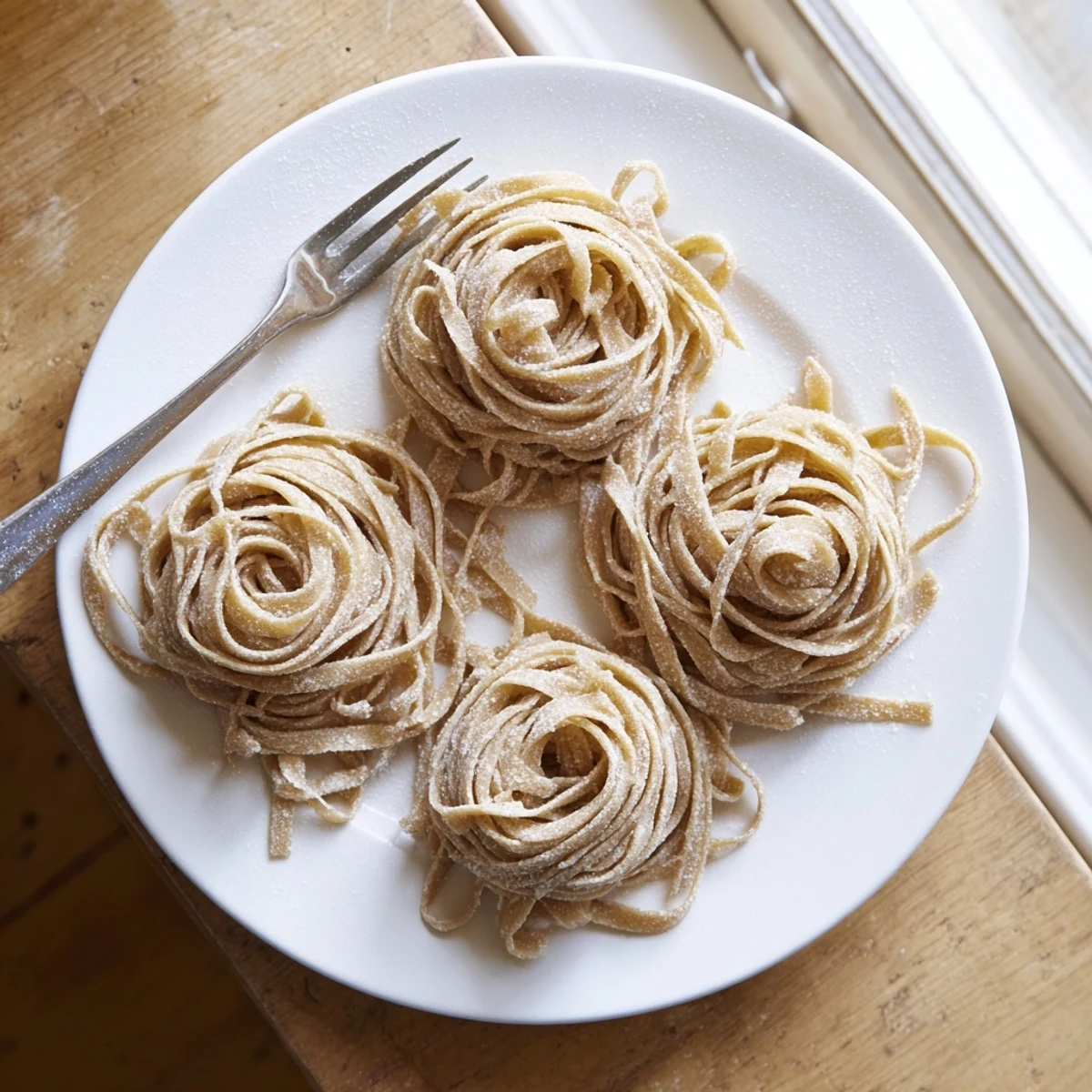
- Cut into ribbons for tagliatelle or wider strips for pappardelle, or leave as sheets for lasagna later
- Dust and dry slightly:
- Toss cut pasta with flour and let it sit while water boils, which prevents clumping
- Cook quickly:
- Drop into salted boiling water and watch closely, because fresh pasta goes from perfect to overdone in seconds
- Serve immediately:
- Fresh pasta waits for no one, so have your sauce warming and plates ready before the first strand hits water
 Save to Pinterest
 Last winter, during that week when everything felt heavy, I made batch after batch of this pasta. Something about the rhythm of kneading and rolling made the world quiet for an hour. My roommate started leaving ingredients out, knowing Id find my way to the counter regardless of plans. Those simple meals, with just browned butter and parmesan, became what got us through.
Flavor Variations
Fresh herbs minced into the dough create beautiful speckled noodles, and a pinch of turmeric yields a golden pasta that looks stunning with cream sauces. Sometimes I add finely grated lemon zest for brightness that plays well against the sourdough tang. The flour can also play a role, Ive mixed in buckwheat for earthy noodles or whole wheat for nutty depth.
Timing Your Dough
The window for using active starter matters more than I initially realized. Too young and the pasta lacks that characteristic tang, too old and the dough can get unpleasantly sour. I try to use starter 4 to 6 hours after feeding, when its bubbling happily and smells mildly sweet. You can also make the dough up to a day ahead and refrigerate, bringing it to room temperature before rolling.
Sauce Pairings
The slight fermentation gives this pasta enough personality to stand up to bold sauces, but its also delicate enough for simple preparations. Tomato based sauces cling beautifully to the rougher texture of hand-cut noodles. Brown butter and sage lets the sourdough notes shine through. I also love it with a quick pesto or just good olive oil and aged parmesan when I want to taste the pasta itself.
- Save some pasta water before draining, the starch helps emulsify sauces
- Dried pasta cooks longer, so never swap times between fresh and dried
- Leftover sheets freeze well between layers of parchment for future lasagna
 Save to Pinterest
 There is something deeply satisfying about turning three ingredients into something that feels like a proper meal. Maybe that is why this recipe has stayed in regular rotation, through moves and seasons and busy weeks when cooking feels like just another task. Sometimes simple food is exactly what we need.
Recipe FAQs
- → What does sourdough add to pasta?
-
Active sourdough starter introduces beneficial fermentation, creating subtle tangy notes and enhancing texture. The natural enzymes break down gluten slightly, resulting in more digestible noodles with tender chew and complex depth that plain flour pasta lacks.
- → Can I use discard starter?
-
While discard will work structurally, active bubbly starter yields superior texture and rise. Discard produces denser noodles with less developed flavor. For best results, feed your starter 4-8 hours before making pasta and use when fully active and doubled in volume.
- → How long should I rest the dough?
-
Resting for one hour allows gluten strands to relax, making rolling significantly easier. This crucial step prevents the dough from shrinking back during shaping. You can rest up to 24 hours refrigerated, but bring to room temperature before rolling.
- → What sauces work best?
-
The tangy flavor profile pairs beautifully with rich tomato sauces, fresh basil pesto, or browned butter with sage. The slight acidity cuts through cream-based sauces while complementing garlic and olive oil preparations. Avoid delicate sauces that might be overwhelmed by the fermented notes.
- → Can I make this without eggs?
-
This version relies on eggs for structure and richness. For egg-free options, substitute with water and increase olive oil slightly, though texture will differ. The sourdough provides enough binding that reduced-egg versions remain workable while maintaining the characteristic tang.
- → Why is my pasta tough?
-
Toughness usually comes from insufficient resting or overworking the dough. Ensure the full hour rest period, and avoid adding excessive flour during rolling. The dough should feel smooth and pliable, not stiff. Kneading just until combined—rather than developing full gluten—also helps maintain tenderness.