
 Save to Pinterest
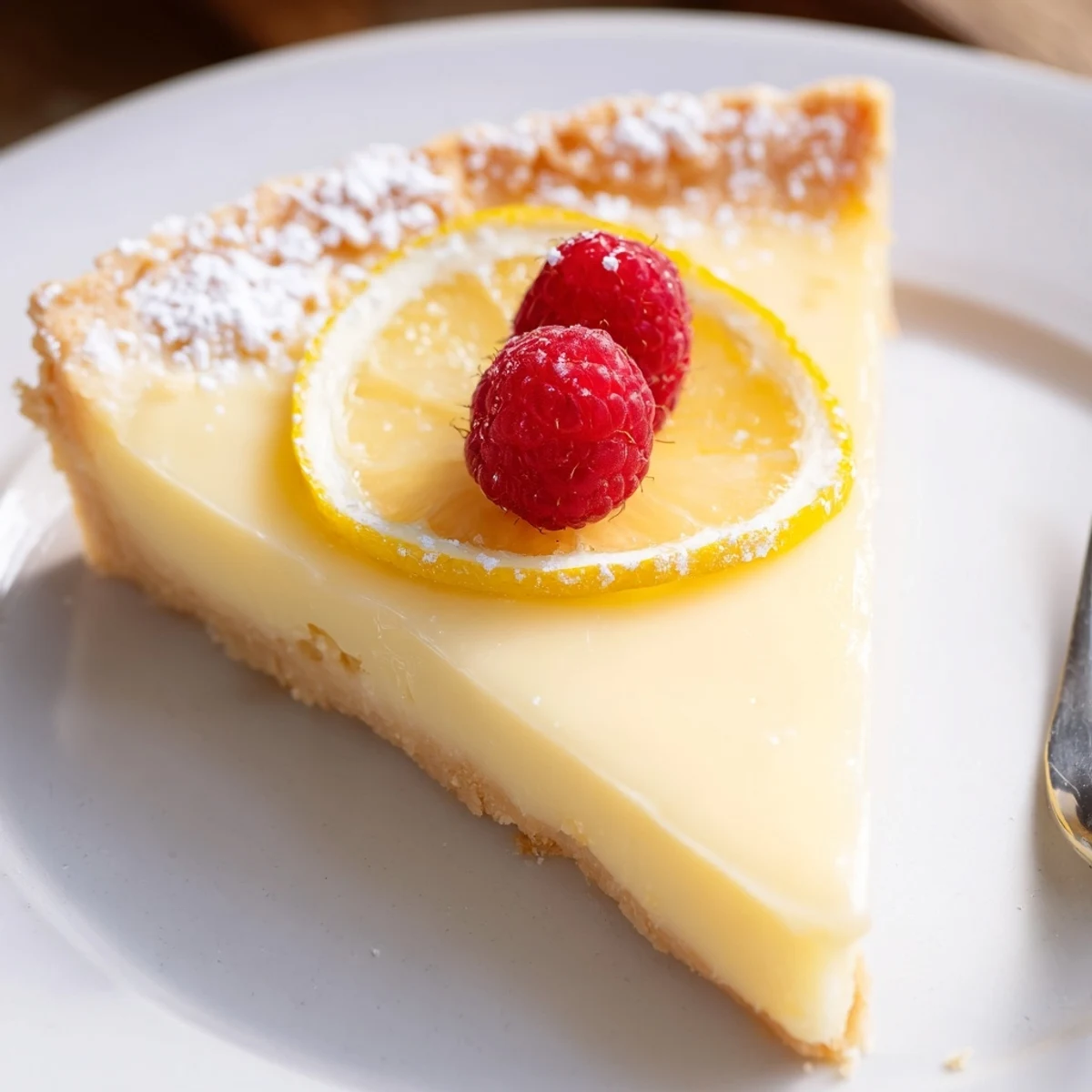
 Blind-bake a cold, buttery crust until golden, then prepare a silky filling by whisking heavy cream, sugar, eggs, egg yolks, lemon zest and juice until smooth. Pour into the warm shell and bake gently until edges are set and the center still slightly wobbly. Cool completely, chill at least an hour, then dust with powdered sugar and garnish with berries or candied lemon for a bright finish. For variation, add vanilla or use a gluten-free flour blend for the crust.
If ever there was a dessert capable of brightening up a dreary afternoon, it's this creamy lemon tart. The first time I baked it, a burst of citrus aroma met me as soon as I opened the oven, immediately making me want to take a bite before it had even cooled. With its contrast of silky filling and crisp buttery crust, I've found it's a treat that catches people by surprise. Sometimes, the sunniest desserts come together while the weather outside is anything but.
One spring, I brought this lemon tart to a neighbor’s potluck, half-expecting my attempt at a French classic to be ignored beside chocolate-heavy desserts. Instead, my plate was the first to clear, with people sheepishly asking for seconds as they wiped specks of powdered sugar from their fingers. That’s when I knew I’d want to keep this recipe in my back pocket for every gathering, big or small.
Ingredients
- All-purpose flour: I always sift the flour when making the crust for that uniform, tender crumb.
- Powdered sugar: Gives a melt-in-your-mouth texture you just don’t get from regular sugar in pastry.
- Salt: A pinch deepens all the flavors—pastry without it tastes flat.
- Unsalted butter, cold and cubed: Using very cold butter is my secret for flaky, crisp crusts.
- Egg yolk: The richness of egg yolk brings both color and a delicate structure to the dough.
- Cold water: Add water sparingly—too much and your pastry will shrink.
- Heavy cream: The custardy filling relies on good quality cream; I learned it makes a noticeable difference.
- Granulated sugar: Just enough to balance the tartness, without making the dessert cloying.
- Eggs and egg yolks: Whisk these slowly to avoid bubbles, which can ruin that silky finish.
- Lemon zest: The zest is where real depth of flavor hides—a fine microplane is worth it for this step.
- Fresh lemon juice: Don’t settle for bottled juice; fresh lemons are what make the filling bright and vibrant.
- Pinch of salt: A whisper more balances all that acidity beautifully.
- Powdered sugar (for dusting): Adds a gentle finish and looks especially pretty with berries.
- Fresh berries or candied lemon slices: These take your tart from homemade to patisserie-level for almost no extra effort.
Instructions
- Prep and Preheat:
- Set your oven to 350°F (175°C), and gather all your tools while it warms up so you’re not fumbling later.
- Make the Crust:
- Pulse the flour, powdered sugar, and salt in a food processor, then drop in the cold butter pieces and pulse until the mix looks like fine crumbs.
- Add Egg Yolk and Water:
- With the processor running, add the egg yolk and two tablespoons of water—stop when it clumps in the bowl and barely holds together when squeezed.
- Chill Dough:
- Gather the dough into a disk with floured hands, wrap it, and let it rest in the fridge for half an hour; this bit of patience pays off in every bite.
- Roll and Line Tart Pan:
- Roll the chilled dough to about 1/8 inch thick, gently fit it into the tart pan, trim the excess, and prick the base with a fork for even baking.
- Blind Bake:
- Line the crust with parchment, fill with pie weights or dried beans, bake for 15 minutes, then remove the weights and finish baking until gold and fragrant.
- Adjust the Oven:
- Lower the temperature now to 300°F (150°C) to keep the filling luxuriously smooth.
- Make the Creamy Lemon Filling:
- In a bowl, whisk together cream, sugar, whole eggs, yolks, zest, juice, and salt until it’s glossy and smells bright enough to wake you up.
- Bake the Tart:
- Pour the filling gently over the crust, bake until the edges set but the center still quivers—this is what ensures the creamy, melt-away texture.
- Cool and Chill:
- Let it cool to room temperature, then refrigerate at least an hour so it slices like a dream.
- Finish and Serve:
- Right before serving, dust with powdered sugar and dot with berries or candied lemons for an extra special flourish.
 Save to Pinterest
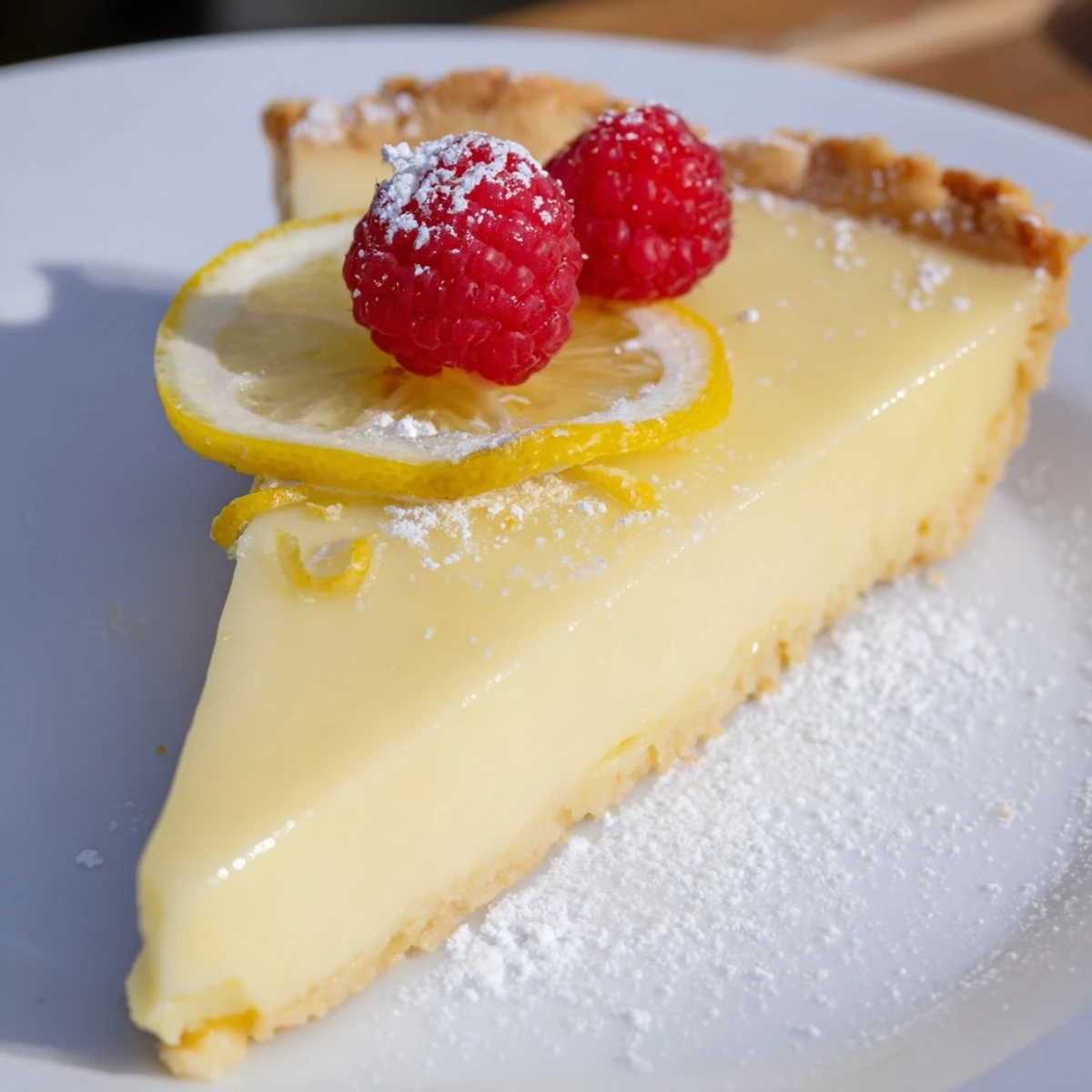
 One afternoon, I made this tart for a friend's birthday picnic, only to find a slice missing when I opened the box—apparently, my partner couldn't resist sneaking an early bite. We laughed over the perfect wedge-shaped mystery and declared it a new birthday tradition. Sometimes, dessert tastes even better after a little mischief.
When to Add Your Personal Touch
The tart itself is heavenly as-is, but sometimes I fold a handful of toasted almond slivers into the crust or add a dash of vanilla to the filling. Little tweaks haven’t let me down—and they've started a few good debates over which version is best at family gatherings.
Serving Ideas to Make It Shine
A wedge with a mound of berries and a cloud of softly whipped cream is my idea of the perfect plate. On summer nights, I've even paired slices with chilled sparkling wine outside, which turned out to be an instant hit among friends.
What I Wish I Knew the First Time
Forgetting to dock the pastry means air bubbles and uneven crust, something I learned the hard way. Now, my fork never leaves my side when making this dough. It’s funny how small tricks become indispensable.
- Keep your butter ice-cold for flakiness.
- Strain the filling before pouring for a bakery-smooth result.
- Test doneness by gently nudging the pan—the center should jiggle just slightly.
 Save to Pinterest
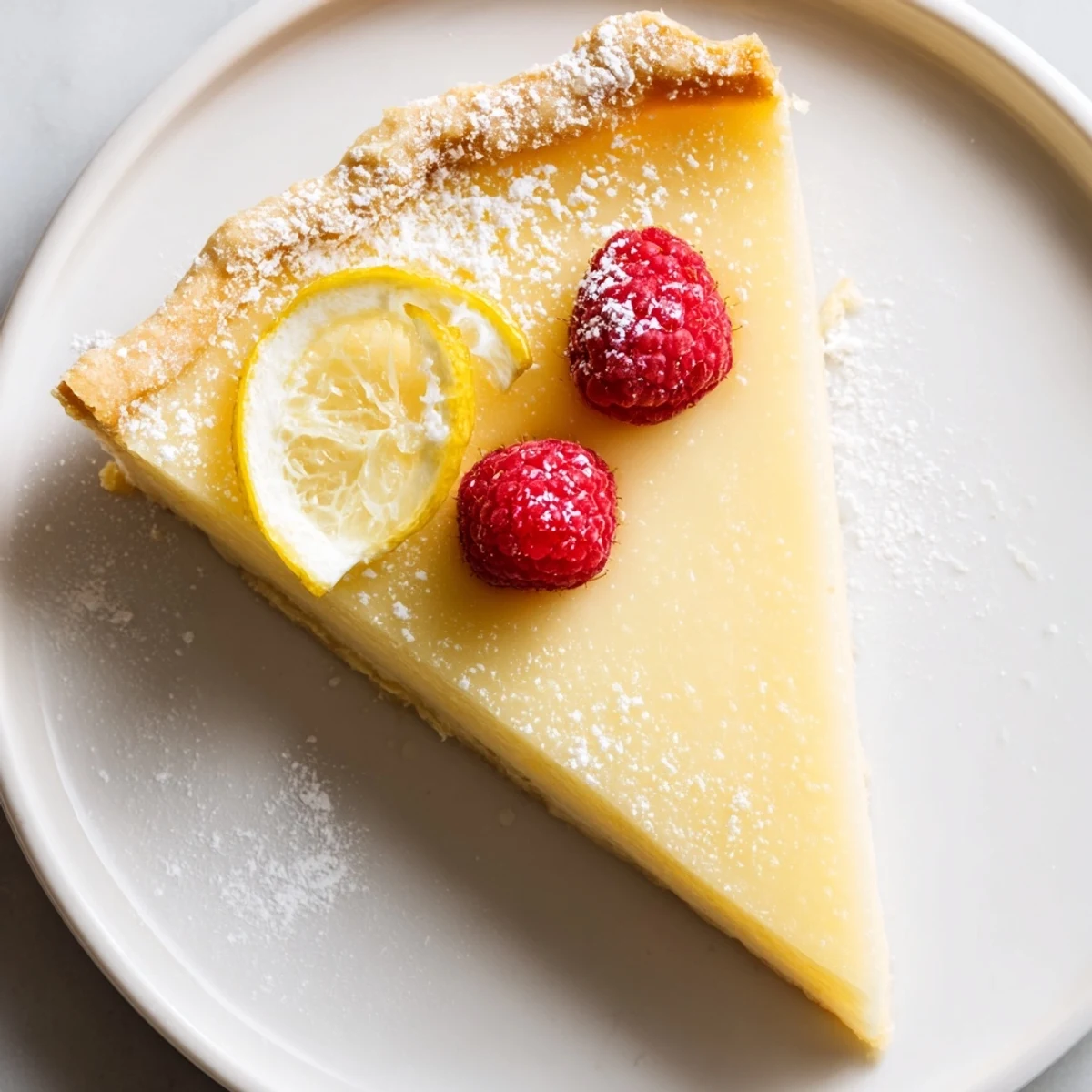
 This tart always manages to bring lightness to the table, no matter the season or occasion. I hope you enjoy every zesty bite as much as we have.
Recipe FAQs
- → What is blind-baking and why is it important?
-
Blind-baking means pre-baking the crust with parchment and weights so it stays crisp and doesn’t puff. It prevents a soggy bottom when a wet filling is added.
- → How do I prevent the filling from curdling?
-
Whisk ingredients until smooth and bake at a moderate temperature. Gentle heat and even mixing minimize curdling; avoid high oven temperatures and rapid temperature changes.
- → Can I use bottled lemon juice instead of fresh?
-
Fresh lemon juice gives the brightest flavor and zest is important for aroma. Bottled juice can be used in a pinch but the result may be less vibrant.
- → How long should the tart chill before serving?
-
Chill at least one hour to allow the filling to fully set and flavors to meld. Longer chilling firms the texture and makes slicing cleaner.
- → What are good garnish options?
-
Lightly dust with powdered sugar and top with fresh berries, candied lemon slices, or a few curls of lemon zest to complement the citrus notes.
- → How should leftovers be stored?
-
Cover and refrigerate up to 3 days. Keep chilled to maintain the creamy texture; bring to cool room temperature briefly before serving if desired.