
 Save to Pinterest
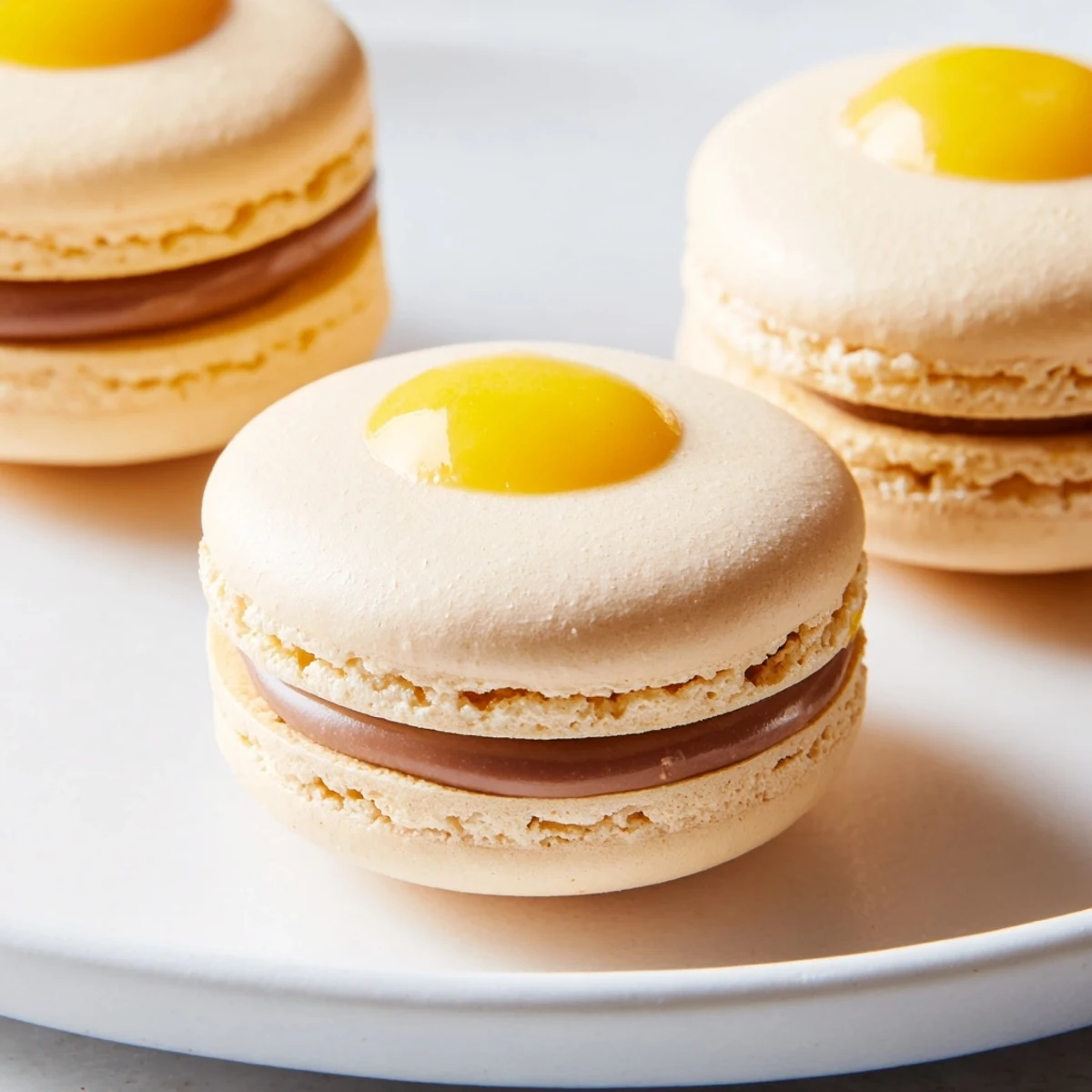
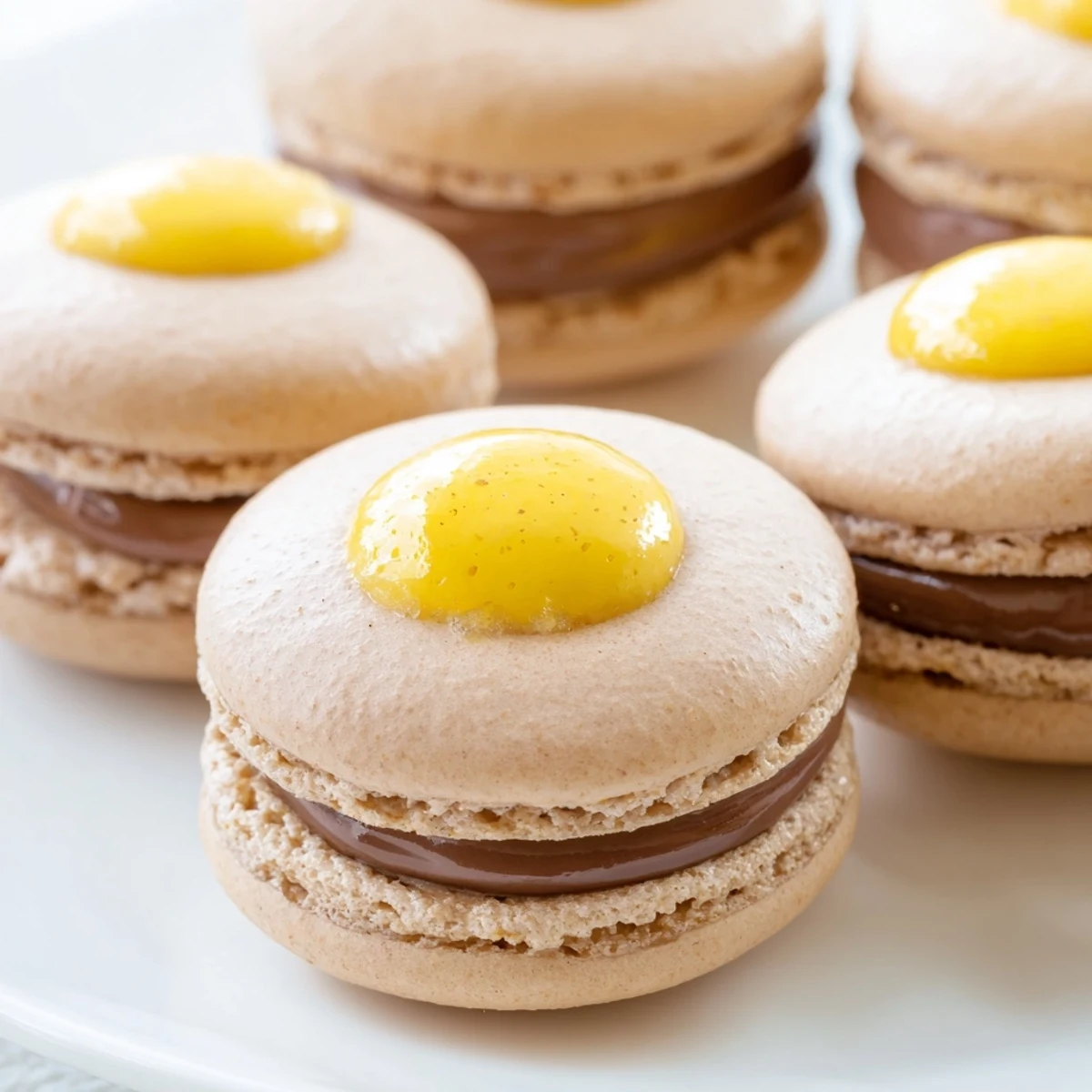
 These delicate French confections feature crisp almond meringue shells filled with a rich milk chocolate ganache inspired by Cadbury Creme Eggs. The signature cream egg effect is created by piping a ring of chocolate filling with a yellow中心 dollop, mimicking the beloved Easter treat's iconic appearance. While these require patience and practice to master, the impressive results are perfect for spring gatherings, holiday desserts, or when you want to showcase refined pastry skills.
The process involves creating a stable French meringue, carefully folding in almond flour to achieve the proper ribbon consistency, piping uniform shells, and preparing a silky chocolate ganache filling. Proper resting time before baking ensures the characteristic foot, while an overnight maturing period allows flavors to develop and textures to soften slightly.
Last spring, I found myself with an extra bag of Cadbury Dairy Milk after Easter clearance shopping and decided to attempt something completely ridiculous: homemade macarons that actually tasted like the cream-filled eggs I loved as a kid. My first attempt was a disaster—shells cracked everywhere, filling slid right off the center—but something about that sweet, nostalgic chocolate flavor kept me trying. By the fourth batch, I finally understood why patience matters more than precision in French pastry. Now these little pastel sandwiches have become my go-to when I want to impress without trying too hard.
I brought these to a friends Easter brunch last year, arranged on a vintage cake stand I thrifted for three dollars. Everyone hesitated to take the first one, like they were too precious to eat, but once someone broke the seal, the entire platter vanished in under ten minutes. My friend Sarah actually texted me at midnight asking if I had any left, which is basically the highest compliment a dessert can receive. Now I make them in pastel batches for baby showers and use the same yellow-center trick for Halloween spider cookies.
Ingredients
- Almond flour: Use the finest grind you can find and sift it twice with the powdered sugar to prevent gritty shells
- Powdered sugar: Essential for structure and sweetness, and helps create that smooth, flawless macaron surface
- Egg whites: Must be room temperature and completely free of any yolk traces or they will never whip properly
- Granulated sugar: Stabilizes the meringue and gives the shells their signature crisp exterior
- Cream of tartar: This tiny amount makes a huge difference in meringue stability and prevents weeping
- Milk chocolate: Cadbury Dairy Milk is authentic but any quality milk chocolate works beautifully
- Heavy cream: Creates that silky ganache texture that sets perfectly inside the shells
- Golden syrup: Adds a subtle honey-like sweetness that mimics the original creme egg filling
- Unsalted butter: Makes the filling stable at room temperature so it does not slide out
- Yellow gel food coloring: Just a tiny drop creates that convincing yolk effect in the center
Instructions
- Prepare your workspace:
- Line two baking sheets with silicone mats or parchment paper and fit a pastry bag with a half-inch round tip before you start mixing anything.
- Sift the dry ingredients:
- Combine almond flour and powdered sugar in a bowl, then sift them together at least twice to break up any clumps.
- Whip the meringue:
- In a completely clean and dry bowl, beat egg whites with cream of tartar until soft peaks form, then gradually add granulated sugar until you have stiff, glossy peaks.
- Master the macaronage:
- Gently fold the almond mixture into the meringue in three additions, mixing until the batter flows like thick lava and disappears back into itself within twenty seconds.
- Pipe perfect shells:
- Fill your pastry bag and pipe thirty-two rounds about one and a half inches wide, holding the bag perpendicular to the tray and lifting with a slight swirl.
- Rest before baking:
- Firmly tap each tray against the counter to release trapped air bubbles, then let the shells rest for thirty to sixty minutes until they are completely dry to the touch.
- Bake to perfection:
- Preheat your oven to 150 degrees Celsius and bake for thirteen to fifteen minutes, rotating the trays halfway through, until the shells easily lift off the mat.
- Make the chocolate ganache:
- Heat the cream until just simmering, pour it over the chopped chocolate, wait two minutes, then stir until smooth before adding the golden syrup and butter.
- Create the yolk filling:
- Reserve a quarter of the ganache and tint it with yellow gel coloring, then chill both fillings until they are thick enough to pipe.
- Assemble with care:
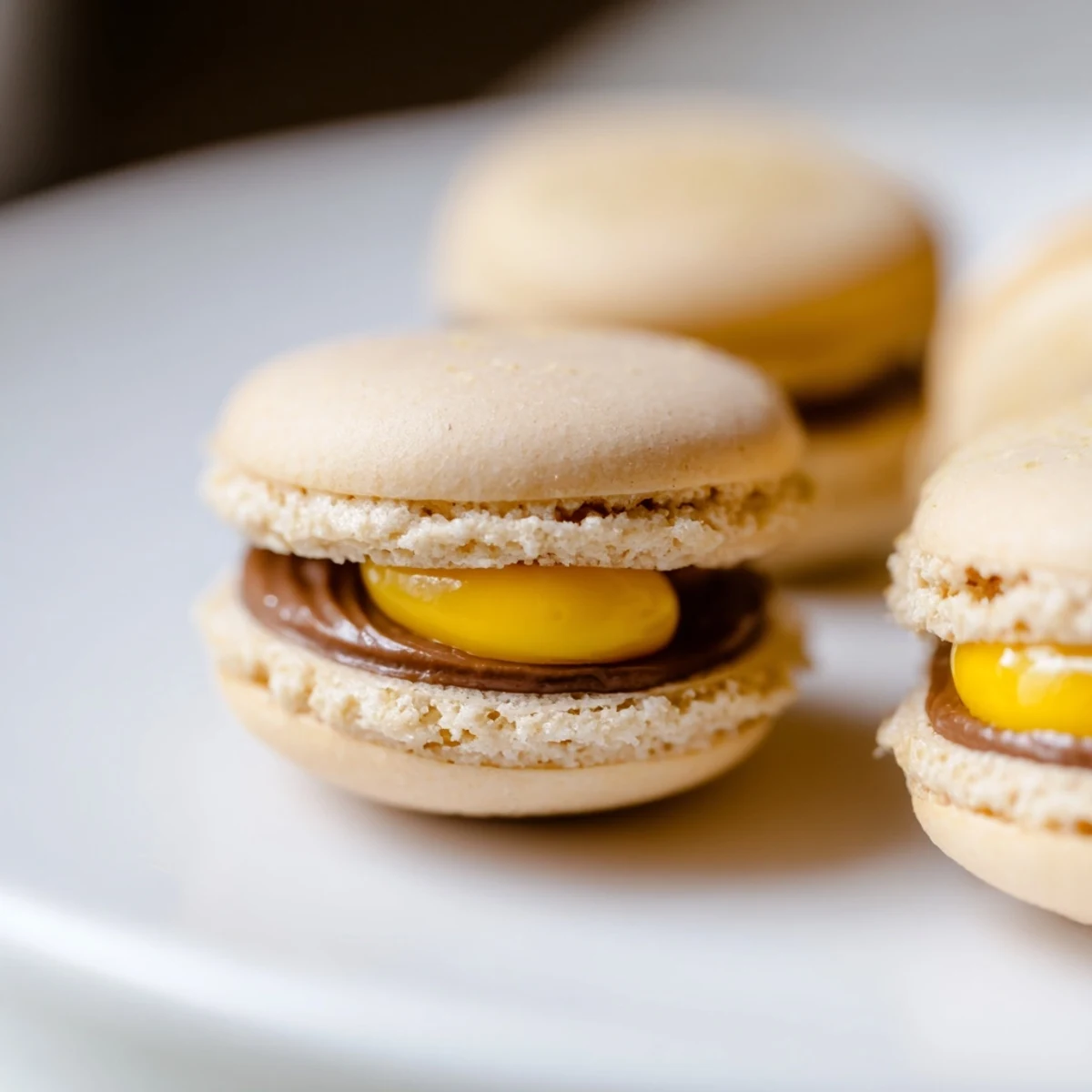
- Pipe a ring of chocolate filling onto one shell, add a small dollop of yellow in the center, and gently sandwich with another shell until the filling reaches the edges.
 Save to Pinterest
 These macarons taught me that some desserts are worth the fuss, especially when you see that perfect little foot form on each shell during baking. My niece now requests them for her birthday instead of cake, which is basically the ultimate validation for all those failed batches. Something about biting through that crisp shell into the creamy center feels like a tiny celebration.
Perfecting Your Macaron Technique
The resting period is non-negotiable—those shells need to form a dry skin so they bake up with pretty little feet instead of cracking. I usually start checking them after forty minutes by lightly touching one with a fingertip. If any batter sticks to your finger, they need more time.
Customizing Your Colors
For Easter, I love doing pastel pink, blue, and yellow shells with the traditional yolk centers. During autumn, I tint the shells orange and pipe a chocolate ganache that mimics pumpkin pie filling. The beauty of this recipe is that the base technique stays the same while you can play with colors and fillings endlessly.
Storage and Serving
Macarons actually improve after twenty-four hours in the refrigerator because the shells soften slightly and meld with the filling. I always make them a day ahead and bring them to room temperature about thirty minutes before serving for the perfect texture.
- Store them in a single layer in an airtight container to prevent crushing
- They freeze beautifully for up to three months if you need to prep way in advance
- The filling recipe makes slightly more than you need, which is never a bad problem to have
 Save to Pinterest
 These Cadbury-inspired macarons have become my signature Easter treat, and honestly, they are worth every minute of effort. Happy baking!
Recipe FAQs
- → Why do my macaron shells crack during baking?
-
Shells typically crack when they haven't formed a proper skin before baking or if there's excess moisture in the batter. Ensure shells rest at room temperature for 30-60 minutes until completely dry to touch. Also avoid over-mixing the batter, which can cause air pockets that expand and crack during baking.
- → Can I make these without a stand mixer?
-
Yes, you can use an electric hand mixer to whip the egg whites, though it will take slightly longer and require more arm stamina. The key is achieving stiff glossy peaks that hold their shape when the whisk is lifted. Take your time and ensure room temperature eggs for best volume.
- → How do I achieve the authentic Cadbury flavor?
-
Using Cadbury Dairy Milk chocolate in the ganache provides the most authentic flavor profile, as it has a distinctive creamy milk chocolate taste. Golden syrup (or light corn syrup) adds sweetness and glossy texture reminiscent of the original fondant filling. For shells, pastel colors enhance the Easter aesthetic.
- → Why must macarons rest overnight before serving?
-
The resting period allows moisture to equalize between the shells and filling, softening the texture slightly and creating that characteristic delicate bite. Flavors also meld and develop during this time. Macarons served immediately after assembly may have a crispier shell and less cohesive texture.
- → Can I freeze unfilled macaron shells?
-
Absolutely. Completely cooled shells freeze beautifully for up to 3 months in an airtight container with parchment paper between layers. Thaw at room temperature for 30 minutes before filling. This allows you to prepare shells in advance and assemble closer to your serving date.
- → What's the best way to store finished macarons?
-
Store assembled macarons in an airtight container in the refrigerator for up to 5 days. Let them come to room temperature for 15-20 minutes before serving for the best texture and flavor. For longer storage, freeze unfilled shells and prepare fresh filling when ready to serve.