
 Save to Pinterest
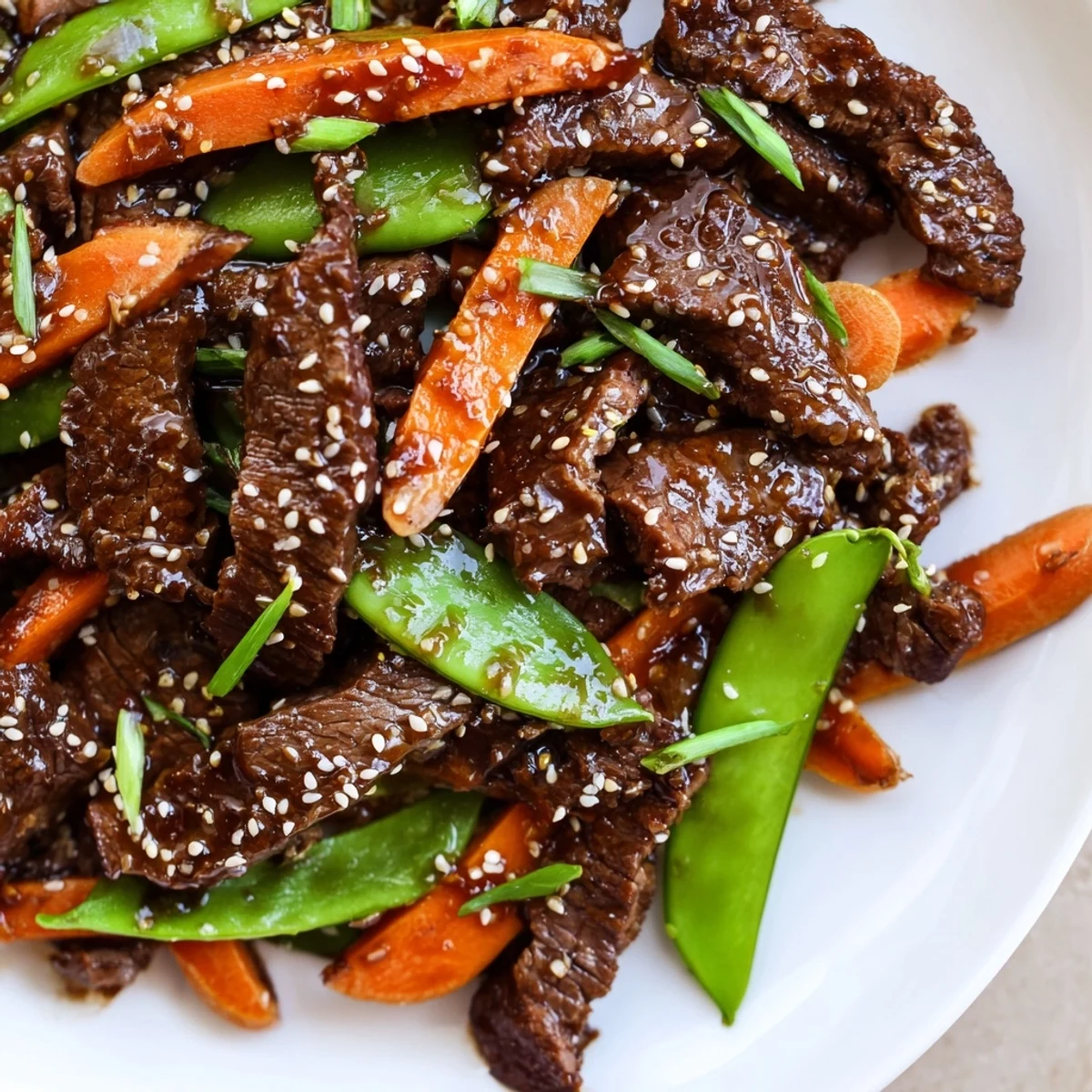
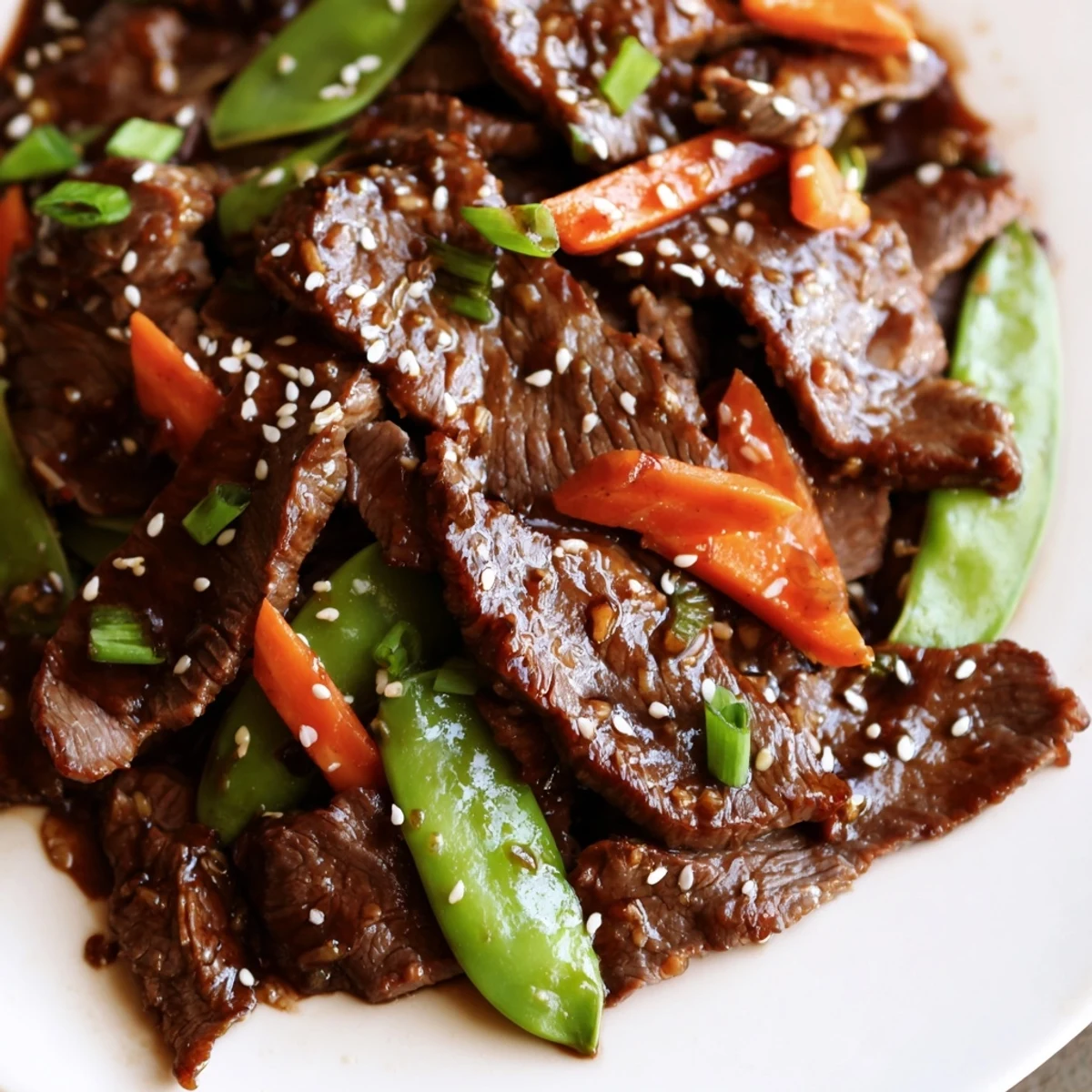
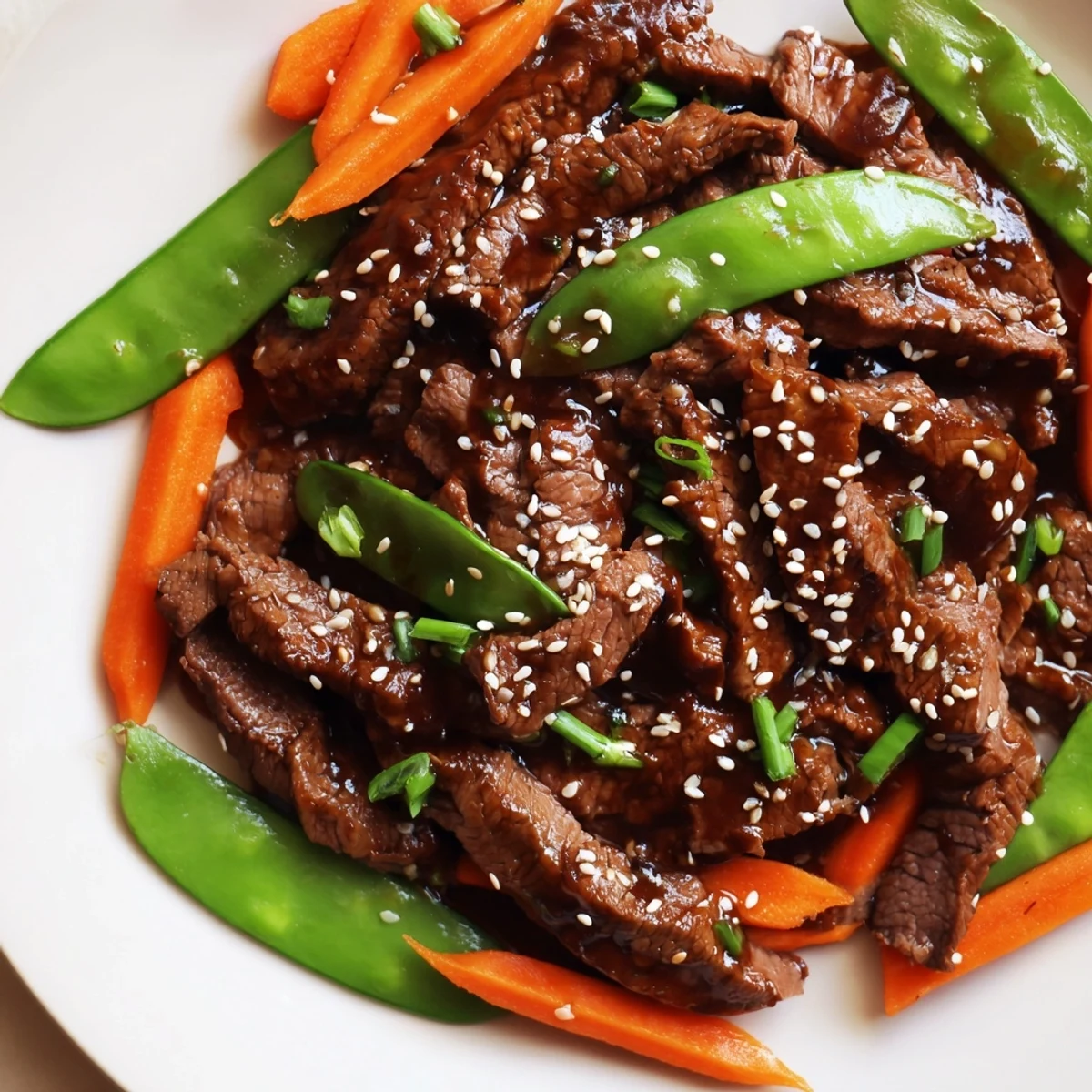
 This vibrant dish features thinly sliced beef quickly seared to lock in juiciness, then combined with fresh snow peas and sliced carrots. Tossed in a rich and savory sauce made from soy, oyster, and sesame oils, it delivers a balanced taste of sweet and umami. The vegetables retain their crisp texture thanks to short, high-heat cooking. Garnished with scallions and sesame seeds, this dish pairs perfectly with steamed rice or noodles, providing a flavorful, easy-to-prepare meal in just 30 minutes.
There's something about the smell of beef hitting a hot wok that makes everything else disappear. I discovered this stir fry on a Tuesday night when I had about twenty minutes, half a fridge, and the kind of hunger that won't wait for takeout. The sizzle was loud enough that my neighbor knocked on the wall, and by the time I plated it, I understood why—somehow, quick cooking had unlocked something deeper than the ingredients seemed to promise.
I made this for my sister one rainy Sunday when she was stressed about something at work, and watching her face go from tired to genuinely happy over a bowl of food reminded me why cooking matters. She asked for the recipe that same night, and now it's her go-to when she needs to feel capable in the kitchen. That's when I realized this stir fry had become more than just dinner—it was a small moment of care disguised as a meal.
Ingredients
- Flank steak, thinly sliced against the grain: Slicing against the grain breaks up the muscle fibers, making every bite tender instead of chewy—it's the detail that separates good stir fry from forgettable.
- Cornstarch (for beef): This creates a delicate seal when the meat hits the pan, keeping it moist while the edges brown.
- Soy sauce (for marinade and sauce): The marinade version seasons the meat from inside out, while the sauce version builds umami depth.
- Snow peas: They stay bright and slightly crisp if you time them right, and their mild sweetness balances the savory sauce.
- Carrots on the bias: The angled slices cook faster and catch the sauce better than straight cuts.
- Oyster sauce: This is the flavor anchor—salty, slightly sweet, with a depth that makes people ask what's in it.
- Sesame oil: Just a small amount wakes up everything at the end; too much and it overpowers.
- Garlic and ginger: Minced and grated, they dissolve into the sauce and become its backbone instead of sitting as chunks.
- Brown sugar: It softens the saltiness and adds a gentle sweetness that makes the whole dish feel rounded.
Instructions
- Prepare and marinate the beef:
- Toss your sliced beef with cornstarch and soy sauce in a bowl, stirring gently so each piece gets coated. The cornstarch will look like a light dusting of snow—that's exactly what you want. Let it sit for 10 minutes while you handle everything else.
- Build your sauce:
- Whisk all the sauce ingredients together in a small bowl until the cornstarch dissolves completely and there are no sugar granules hiding in the corners. Taste it with a spoon if you like—it should taste bold and salty, knowing it will coat the food.
- Sear the beef quickly:
- Get your pan screaming hot, then add oil and immediately lay the beef in a single layer. Don't crowd it or move it around—let each side brown hard for about a minute per side, then pull it out onto a plate. It'll look a little underdone, which is exactly right.
- Cook the vegetables in stages:
- Add fresh oil and carrots first since they take longest, giving them a 2-minute head start. Then add the snow peas and any bell pepper, cooking everything together until the carrots bend slightly when you poke them but still have some resistance.
- Bring it all together:
- Return the beef to the pan, pour in the sauce, and stir constantly for about a minute. The sauce will thicken and become glossy, coating everything evenly—that's when you know it's done.
- Finish and serve:
- Take it off heat, scatter the scallions and sesame seeds across the top, and bring it to the table while everything is still hot and the steam is still rising.
 Save to Pinterest
 I learned these lessons the hard way—once with rubbery beef because I crowded the pan, once with mushy vegetables because I was impatient with the sauce timing. But that's what cooking is about: small failures that teach you something real. Now when I make this, I can hear myself thinking ahead, and that feels like progress.
Why the Wok Matters (Or Why Your Skillet Works Too)
A wok heats more evenly and lets you push food up the sides while you work on the center, which is elegant if you have one. But honestly, I've made this stir fry in a regular large skillet dozens of times, and it works just fine—you just have to work in batches and not try to do everything at once. The key is heat retention, not the shape of the pan. Pick whatever you have and own it.
The Vegetable Question
Snow peas and carrots are the core, but this stir fry is forgiving enough to take whatever you have on hand. I've added broccoli florets, snap peas, mushrooms, even bok choy, and each one brings something different to the table. The only rule is to add them in order of how long they take to cook, starting with the dense ones and finishing with anything delicate. That way, everything finishes at the same moment.
Variations and Protein Swaps
Beef is what I reach for most often, but this sauce is so good that it makes whatever protein you choose taste better. Chicken cooks in about the same time, tofu needs a slightly longer sear to get crispy, and shrimp finishes in under a minute if you're watching carefully. I once made this with sliced pork on a Sunday morning just to have leftovers, and it reheated beautifully the next day. The sauce does all the heavy lifting—you're just choosing what vehicle to carry it.
- For extra heat, add a pinch of chili flakes or slice a fresh chili into the sauce while it cooks.
- If you want more sauce, double the sauce ingredients and serve it on the side for rice or noodles.
- Sesame seeds go a long way, so start with less than you think and taste as you go.
 Save to Pinterest
 This stir fry taught me that good food doesn't have to be complicated or time-consuming—it just has to be made with attention and a little bit of care. Make it tonight, make it again next week, make it your own.