
 Save to Pinterest
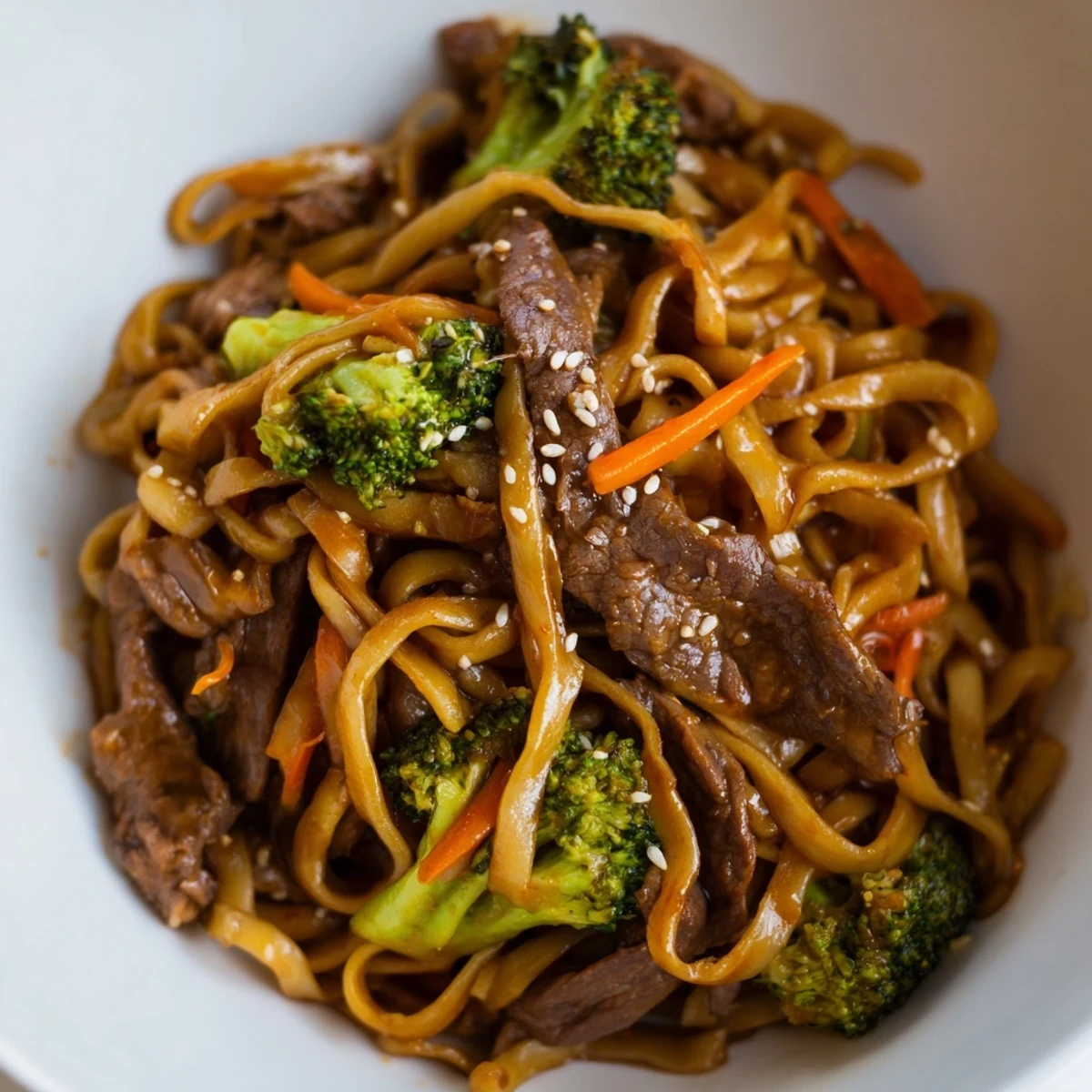
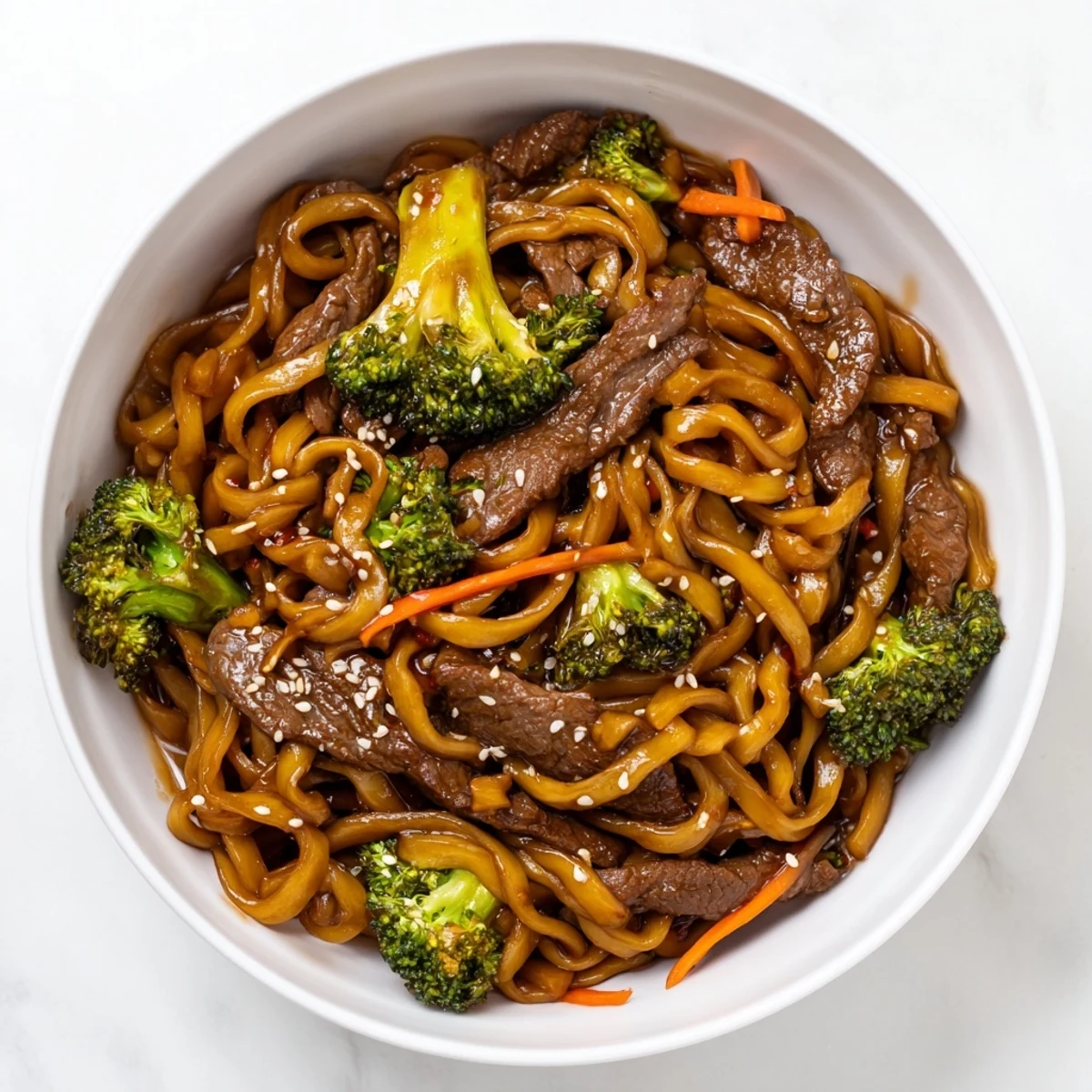
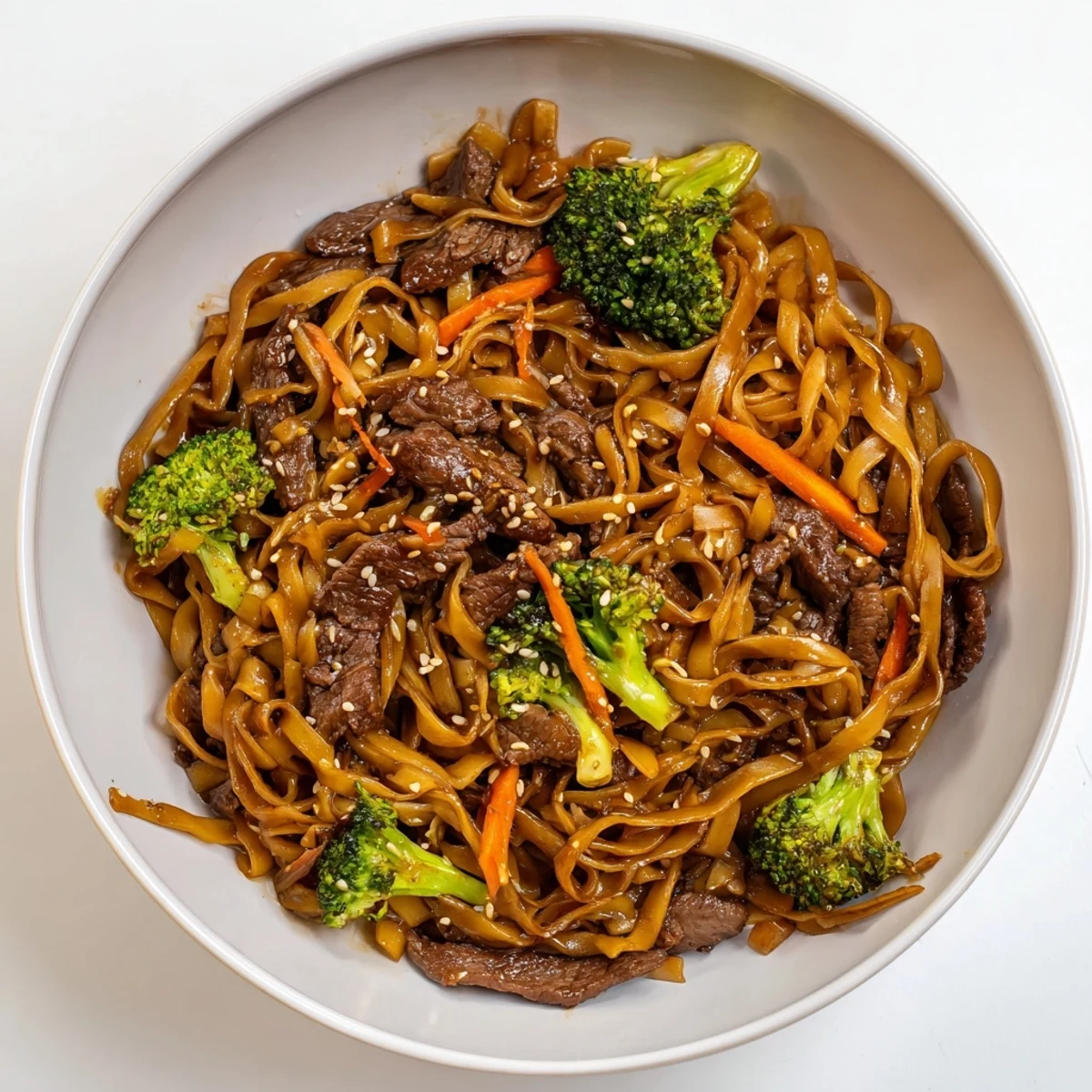
 This dish features tender slices of beef stir-fried with fresh broccoli and silky noodles. A rich soy-based sauce blends oyster, hoisin, and rice vinegar to coat every bite with savory depth. Quick to prepare, it brings together contrasting textures and bold flavors. Garnished with spring onions and toasted sesame seeds, it offers a satisfying meal full of Asian-inspired taste without complex steps.
There's something about the sizzle of beef hitting a hot wok that makes everything else fade away. I discovered this recipe on a Tuesday night when my fridge was nearly empty and my craving for something warm and savory was very loud. A friend had mentioned casually that the secret to great beef and broccoli was in the marinade and the timing, and somehow that stuck with me. Now it's the dish I reach for when I need comfort that comes together in under forty minutes.
I made this for a small dinner party once, and I remember my hands moving almost on muscle memory by the third batch of beef, my guest leaning against the counter with a glass of wine, the kitchen steaming and smelling like garlic and sesame oil. There's something about cooking at high heat that feels theatrical and alive, and by the time everything hit the bowls, I felt like I'd done something worth doing.
Ingredients
- Flank steak or sirloin, thinly sliced against the grain: Slicing against the grain makes every bite tender, and using one of these cuts means you're not paying for marbling you don't need in a stir-fry.
- Cornstarch: This is what transforms the beef into something silky and coats the sauce beautifully onto the noodles and vegetables.
- Soy sauce (for marinade): Just a tablespoon here seasoning the beef itself as it rests, giving it a head start.
- Sesame oil (for marinade): A teaspoon of the toasted kind wakes up the beef's flavor and adds a subtle nuttiness.
- Broccoli florets: Fresh and bright, they stay crisp-tender when you don't overcrowd the wok and keep the heat high.
- Spring onions: Added at the very end so they stay fresh and sharp against all those deep savory flavors.
- Garlic and carrot: The garlic goes in first and perfumes the oil, while the carrot (optional but I always add it) brings a whisper of sweetness.
- Egg noodles or rice noodles: Either works, but egg noodles are sturdier and hold the sauce better in my experience.
- Low-sodium soy sauce: Use this kind so you control the saltiness of the whole dish, not the sauce manufacturer.
- Oyster sauce: This adds depth and umami that plain soy can't quite reach on its own.
- Hoisin sauce: Just a tablespoon gives the sauce a subtle sweetness and body.
- Brown sugar: A small amount balances the salty-savory elements without making anything taste like dessert.
- Rice vinegar: This brightens everything and keeps the dish from feeling heavy.
- Black pepper: Freshly ground, because you'll actually taste it.
- Vegetable oil: Two tablespoons split between cooking the beef and the vegetables, enough for high-heat cooking without burning.
- Sesame seeds: A garnish that adds crunch and signals that you cared enough to finish the dish properly.
Instructions
- Coat and rest the beef:
- Toss your sliced beef with cornstarch, soy sauce, and sesame oil in a bowl, making sure every piece gets a light coating. Let it sit for ten minutes while you do everything else, which tenderizes it slightly and helps it brown beautifully.
- Cook the noodles:
- Boil water, add noodles, cook to package instructions, then drain completely. Set them aside so they cool slightly and don't stick into one brick.
- Mix the sauce:
- Whisk together soy sauce, oyster sauce, hoisin, brown sugar, rice vinegar, black pepper, and water in a small bowl. Taste it if you're brave; it should be balanced between salty, sweet, and a little tangy.
- Sear the beef hot and fast:
- Heat one tablespoon of oil in your wok until it's shimmering and almost smoking, then add the beef in a single layer if you can. Let it sit undisturbed for a minute so it browns, then toss and cook for another minute or two until it's cooked through but still tender. Remove it to a plate.
- Cook the vegetables until bright:
- Add the second tablespoon of oil to the same wok, add minced garlic and let it bloom for ten seconds, then add broccoli and carrot. Stir constantly for three to four minutes until the broccoli turns a vivid green and is just tender but still snappy when you bite it.
- Bring it all together:
- Return the beef to the wok, add the cooked noodles and the sauce, then toss everything for two to three minutes until the noodles are coated and everything is hot. The sauce should cling to the noodles and beef like a silky glaze.
- Finish and serve:
- Stir in the spring onions so they stay fresh, sprinkle sesame seeds over top if using, and serve immediately while everything is still hot and steaming.
 Save to Pinterest
 I think the moment this dish became essential to me was when someone said it tasted like the stir-fry place two blocks away, except better because I made it. There's a real power in that, in taking something you've always ordered and claiming it as yours.
The Wok Makes All the Difference
A proper wok or at least a large skillet with high sides changes the game because you need that surface area and height to keep everything moving and ensure the heat reaches every noodle and piece of beef. If you don't have a wok, a large skillet works, but tilt the pan slightly so the food naturally slides around instead of sitting still. I've made this in both, and the wok is faster and feels more intentional, but a skillet won't ruin anything.
When You're Feeding a Crowd
Don't try to cook this for six people in one batch; make it in two. The beef needs space to brown, the broccoli needs heat to reach every floret, and the sauce needs room to coat everything instead of steaming everything. I learned this the hard way at a dinner party when I got ambitious, and the result was fine but not the magic I was going for.
Variations and Swaps That Actually Work
Once you understand how this dish works, you can play with it confidently. Chicken breast works beautifully and cooks even faster, tofu impresses vegetarians if you press it well and brown it harder, and snap peas or broccolini swap in seamlessly for broccoli. If you want it spicy, add chili garlic sauce or red pepper flakes to the sauce itself, not just at the end. You can even make it ahead by prepping ingredients, though the actual cooking should happen fresh.
- Add a teaspoon of chili garlic sauce to the sauce mixture if you want heat without overpowering the other flavors.
- Ginger, fresh and minced, can go into the wok with the garlic for a brighter, more complex flavor.
- If your sauce seems too thick, thin it with a splash more water or a few drops of sesame oil instead of adding more soy.
 Save to Pinterest
 This dish has become my answer to hungry friends, unexpected dinners, and nights when I want to feel capable and satisfied without complicated instructions. It's honest food that tastes like care.
Recipe FAQs
- → What type of beef works best for this dish?
-
Flank steak or sirloin, thinly sliced against the grain, provide tender, flavorful beef suitable for quick stir-frying.
- → Can other vegetables replace broccoli?
-
Yes, broccolini or snap peas make excellent substitutes, providing a similar crisp texture and fresh flavor.
- → What kind of noodles are recommended?
-
Egg noodles or rice noodles both work well; cook according to package instructions before combining.
- → How can I make the dish spicier?
-
Add chili garlic sauce or red pepper flakes to the sauce for a spicy kick.
- → Is this dish gluten-free friendly?
-
Use gluten-free soy sauce and rice noodles to adapt the dish for gluten-free diets.