
 Save to Pinterest
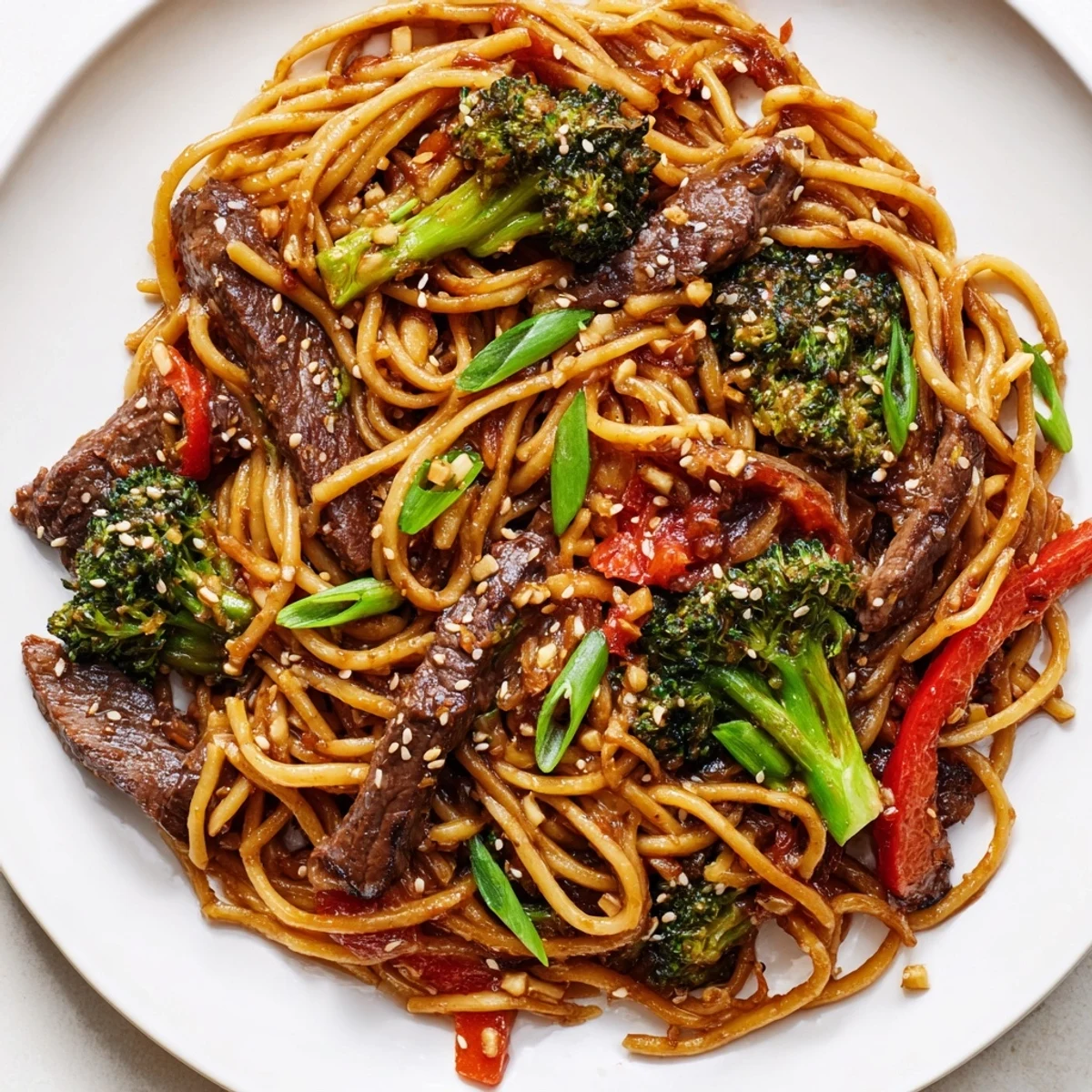
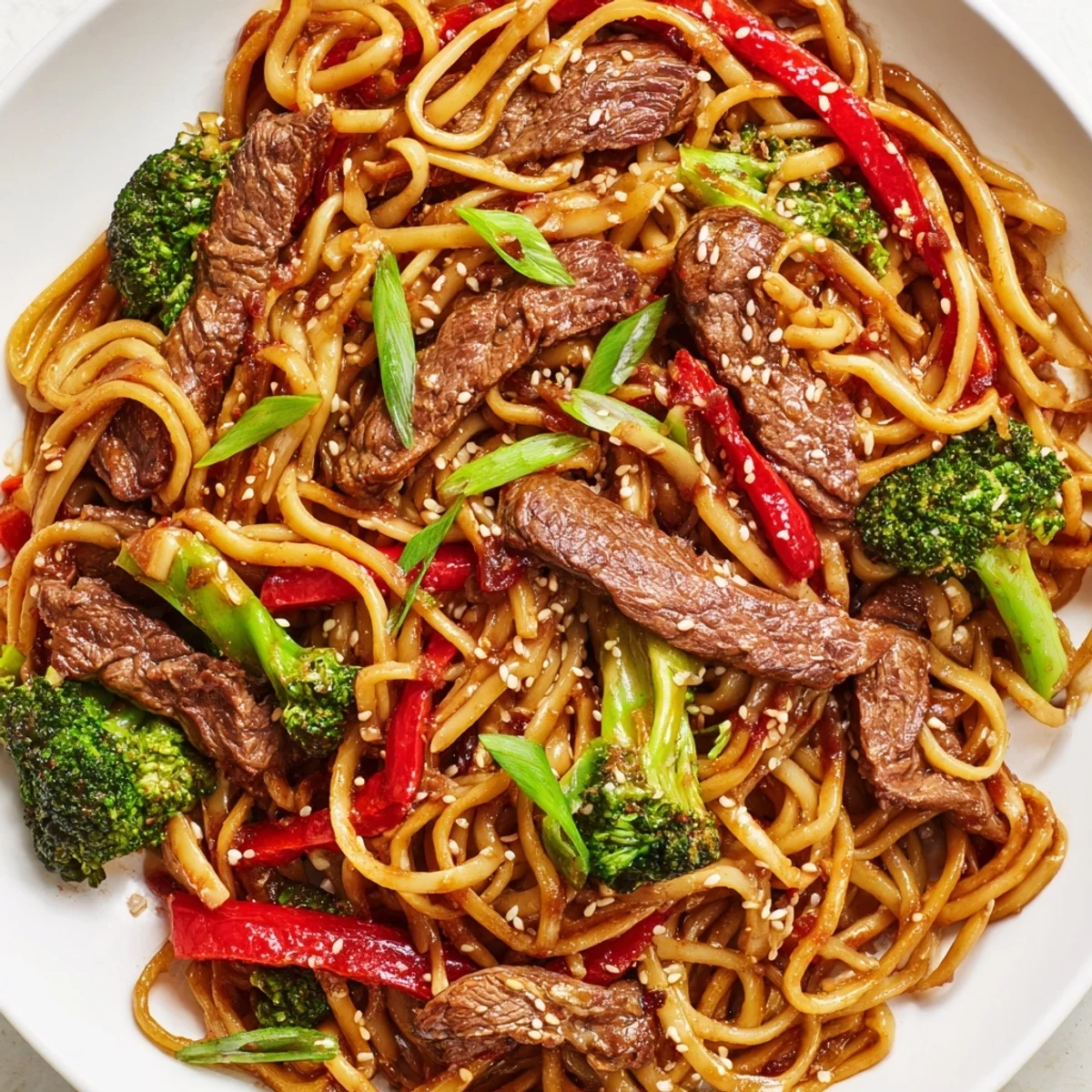
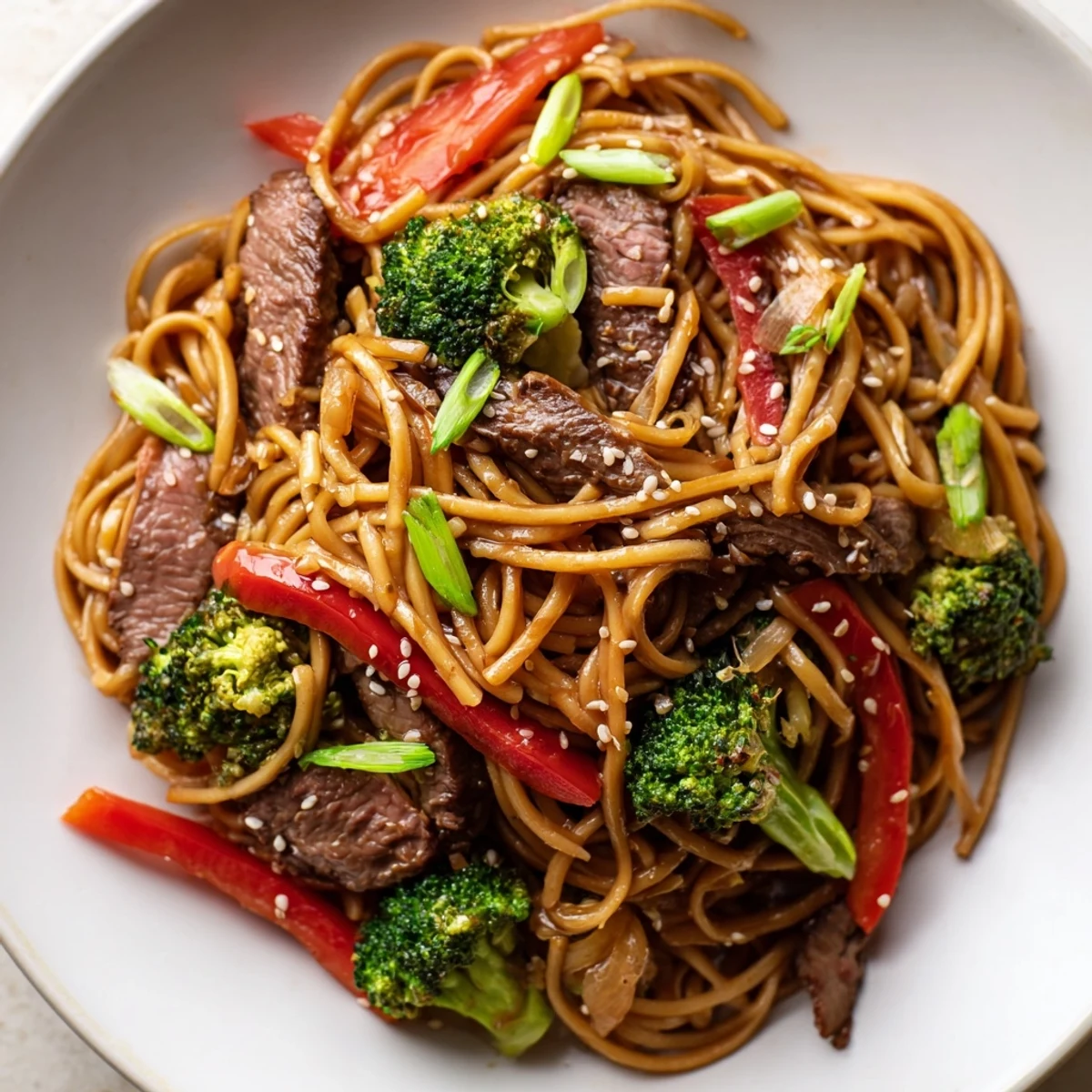
 This dish features tender strips of beef and crisp broccoli florets stir-fried with noodles in a savory-sweet sesame sauce. Thinly sliced beef is marinated to enhance flavor and cooked quickly to retain juiciness, while fresh vegetables add texture and color. The noodles are tossed in a sauce made from soy, oyster, and hoisin combined with sesame oil and brown sugar, resulting in a balanced mix of salty and sweet notes. Garnished with toasted sesame seeds and green onions, this meal offers a satisfying and aromatic experience reminiscent of classic Asian fare.
There's something magical about the sizzle of beef hitting a hot wok—that sound alone tells you everything is about to come together perfectly. I discovered this beef and broccoli lo mein during a late weeknight when I was craving takeout but wanted something I could make in my own kitchen. What started as an experiment with pantry staples turned into a dish I now make whenever I need comfort and satisfaction in one bowl.
I remember making this for my partner on a Tuesday night when we were both exhausted from work, and watching their face light up as they took that first bite made me feel like a actual chef. The apartment smelled incredible—ginger, garlic, and toasted sesame oil filling every corner—and somehow that simple weeknight dinner turned into one of those small moments that feels bigger in hindsight.
Ingredients
- Flank steak or sirloin, thinly sliced: This cut becomes impossibly tender when sliced against the grain and seared quickly over high heat; I learned this trick years ago and it changed everything about my stir-fries.
- Soy sauce (for marinade and sauce): The backbone of umami flavor; low-sodium keeps you in control of the saltiness, which matters more than you'd think.
- Cornstarch: A tiny amount creates a silky coating on the beef and helps thicken the sauce into something that clings to every noodle and vegetable.
- Sesame oil: Use toasted sesame oil for that deep, nutty warmth; regular sesame oil tastes completely different and won't give you the same magic.
- Oyster sauce: This adds a subtle sweetness and depth that soy sauce alone can't achieve; it's the secret that makes people ask for your recipe.
- Hoisin sauce: A small amount brings earthiness and complexity without overpowering the other flavors.
- Brown sugar: Just enough to balance the savory elements and create that restaurant-style glossy finish.
- Rice vinegar: A touch of acidity cuts through the richness and brightens everything on the palate.
- Lo mein noodles: Fresh noodles are ideal if you can find them, but dried noodles work beautifully too; they absorb the sauce differently than pasta would.
- Broccoli florets: Cut them into even-sized pieces so they cook at the same rate and stay crisp when everything else comes together.
- Red bell pepper: Adds sweetness and color; I slice them thin so they cook quickly and stay slightly firm.
- Garlic and green onions: These aromatics are what makes your kitchen smell like a proper restaurant kitchen while you cook.
- Toasted sesame seeds: The final garnish that adds a subtle crunch and reminds you why sesame is the star of this show.
Instructions
- Marinate the beef gently:
- Toss your beef strips with soy sauce, cornstarch, and sesame oil until everything is evenly coated. Even ten minutes makes a difference—the cornstarch creates a silky foundation that will help the beef brown beautifully.
- Mix your sauce while waiting:
- Whisk all the sauce components together so there are no lumps hiding in the corners. This is your moment to taste and adjust before everything hits the wok; I always add an extra pinch of sugar if the soy sauce feels too salty to my palate.
- Get your noodles ready:
- Cook them according to package directions, then drain well; slightly sticky noodles are fine because they'll pick up the sauce. Set them aside on the side of your workspace where you can reach them quickly.
- Sear the beef with confidence:
- Heat your oil until it shimmers and just barely smokes, then add the beef in a single layer and let it sit for a minute before stirring. You want those edges to caramelize, not steam—this is where the depth of flavor comes from.
- Build your vegetable base:
- Once the beef is out, add your garlic to the same hot pan for just 30 seconds to wake it up, then add broccoli and bell pepper and keep the heat high. The goal is tender-crisp, not soft—usually 2 to 3 minutes depending on how your heat performs.
- Bring everything home together:
- Return the beef to the pan, add your cooked noodles and the sauce, and toss constantly for 2 to 3 minutes until everything is glossy and heated through. The sauce will thicken slightly as it heats, coating every strand of noodle and every piece of vegetable.
- Finish with fresh brightness:
- Stir in the sliced green onions at the very end—the heat wilts them just slightly while keeping them fresh. Top each bowl with toasted sesame seeds and a few extra green onion slices for texture and visual warmth.
 Save to Pinterest
 There's a moment during the final toss when the sauce coats everything and you catch that sesame aroma rising from the pan—that's when you know this dish has become something special, something that tastes like care even though it came together in less than half an hour. It's the kind of meal that reminds you that restaurant-quality food doesn't require a restaurant, just attention and the right technique.
The Secret of High Heat
This entire recipe depends on your pan being hot enough that a drop of water sizzles on contact. I spent years making mediocre stir-fries until someone told me to preheat my wok for a full minute before adding oil, and that single change transformed every stir-fry I've made since. The sear on the beef and the slight char on the broccoli are what give this dish its depth—they can't happen if your heat is timid.
Choosing Your Proteins
While beef is traditional here, I've made this with chicken breast, and the cooking time stays roughly the same because you're slicing everything thin. Tofu is equally wonderful if you're cooking for someone plant-based—press it first to remove excess moisture, then treat it exactly like the beef, and it picks up that sesame sauce beautifully. Shrimp would be delicious too, though you'd want to cook it last and just for 2 minutes so it doesn't toughen up.
Adjusting Heat and Flavor
This recipe as written is gently savory-sweet with no heat, which makes it accessible to everyone at the table. If you like spice, red pepper flakes stirred into the sauce create a slow burn that builds as you eat, while a drizzle of sriracha at the end gives you immediate kick—let everyone choose their own adventure. The beauty of cooking your own food is that you can taste as you go and adjust the soy sauce, sugar, and vinegar until the balance feels right for your palate.
- Add a teaspoon of red pepper flakes to the sauce if you want gentle heat that sneaks up on you.
- A splash of sriracha or chili oil at the end adds flavor and visual drama if you're cooking for guests.
- Taste the sauce before it goes into the pan and adjust the soy sauce or sugar—this takes 30 seconds and guarantees you'll love the result.
 Save to Pinterest
 This beef and broccoli lo mein has become my go-to when I want something that tastes like I spent hours in the kitchen but actually took 35 minutes. It's proof that the simplest ingredients, treated with attention and respect, can create something that feels genuinely special.
Recipe FAQs
- → What cut of beef works best for this dish?
-
Flank steak or sirloin thinly sliced against the grain ensure tender, quick-cooking beef strips.
- → Can I use other vegetables besides broccoli?
-
Yes, red bell peppers and green onions complement the broccoli well, and you can add or substitute according to preference.
- → How do I prevent noodles from sticking together?
-
Cook noodles according to the package and drain well. Tossing them with a bit of oil before combining helps keep them separate.
- → What is the purpose of marinating the beef?
-
Marinating enhances flavor and tenderizes the beef, ensuring a succulent texture after stir-frying.
- → Can the sesame flavor be intensified?
-
Yes, adding toasted sesame oil both in the sauce and during cooking boosts the nutty sesame aroma.
- → Is oyster sauce necessary?
-
It adds depth and umami, but vegetarian oyster sauce or a substitute can be used for dietary preferences.