
 Save to Pinterest
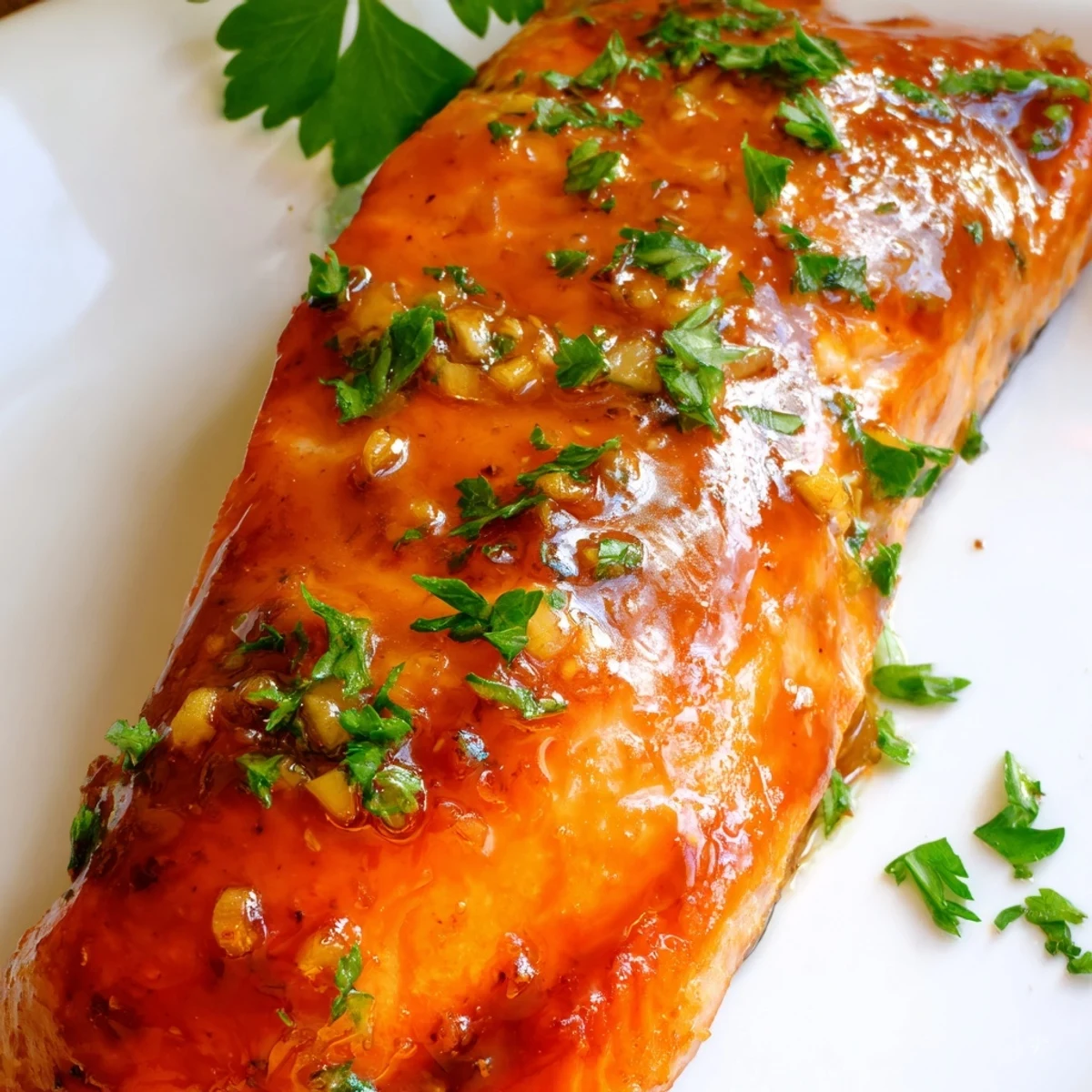
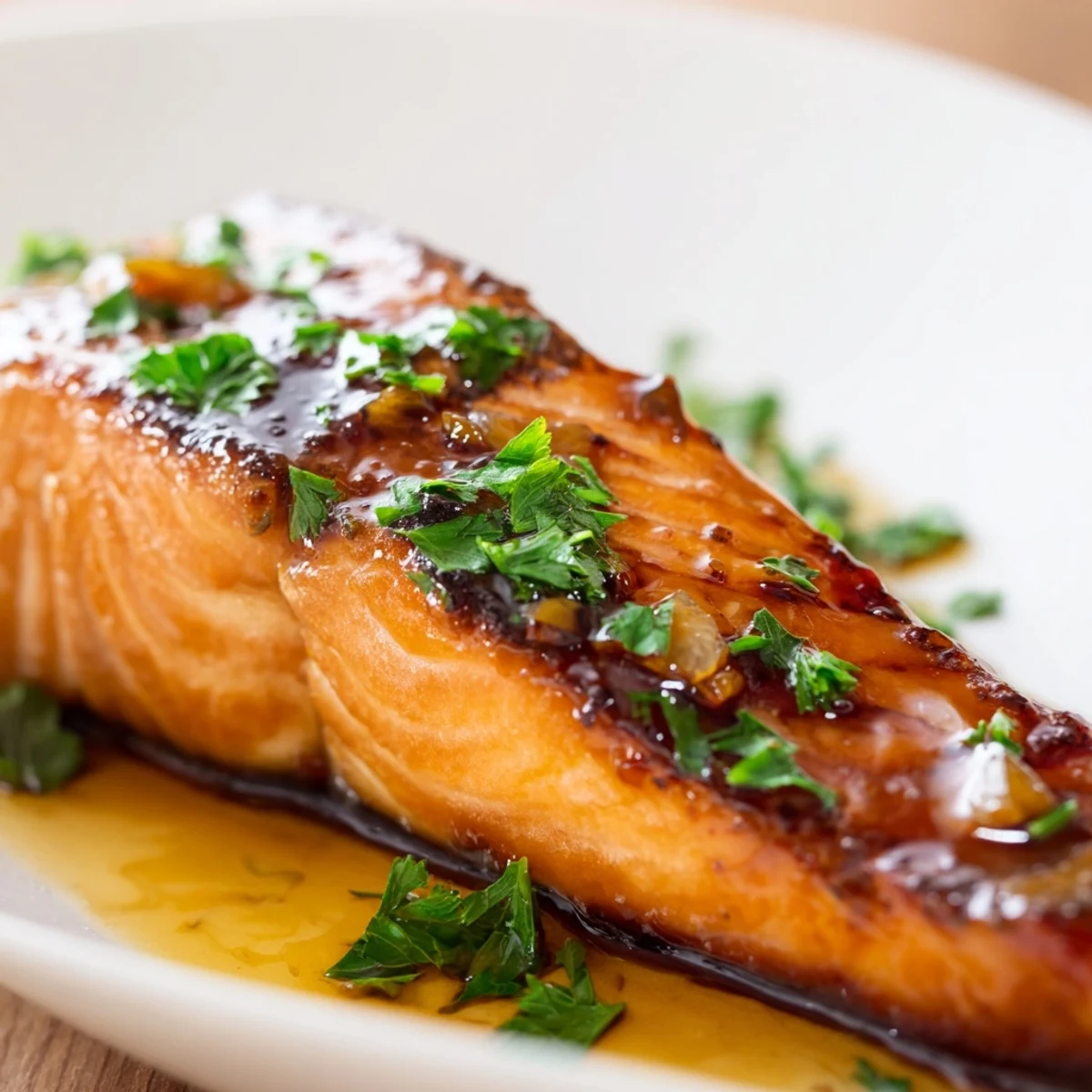
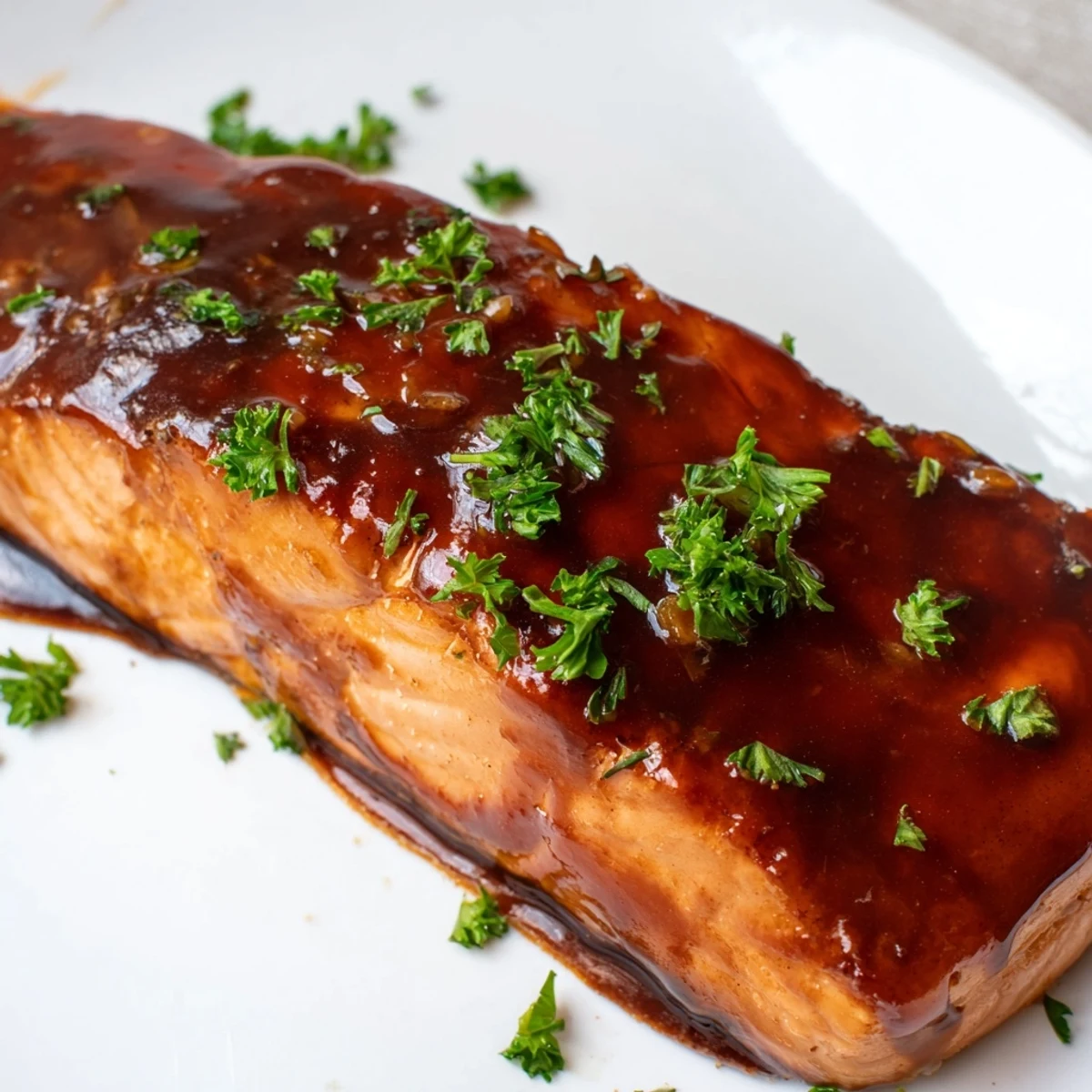
 This dish features tender salmon fillets baked to perfection and coated with a sweet honey garlic glaze. The glaze combines honey, soy sauce, lemon juice, garlic, olive oil, and Dijon mustard for rich, balanced flavor. The salmon is seasoned simply with salt and pepper, baked until flaky, then brushed with a thickened glaze for caramelized finish. Garnished with fresh parsley and served with lemon wedges, this dish offers a quick, healthy, and flavorful main course option.
There's something magical about the moment when salmon hits a hot pan—except I've learned the oven does the real heavy lifting. One weeknight, pressed for time and tired of overthinking dinner, I threw together honey, garlic, and soy sauce in a bowl and never looked back. The glaze clings to the fish like it was made for it, turning glossy and caramelized without any fuss.
I made this for my sister's surprise birthday dinner once, and the whole kitchen filled with this incredible garlicky-sweet aroma that had everyone hovering before we even sat down. She took one bite and asked for the recipe immediately—which felt like the highest compliment, since she's the pickiest person I know about fish. That's when I knew this glaze was something special worth keeping close.
Ingredients
- Salmon fillets (4, about 6 oz each): Skin-on or skinless both work, though I leave the skin on for crispy edges and easier handling. Pat them dry before seasoning so the glaze actually sticks.
- Honey: The sweetness balances the salty soy sauce and gets this gorgeous caramel color when it hits heat. Real honey matters here more than you'd think.
- Soy sauce: Go for gluten-free if that matters to you, and don't skip it—it's the savory backbone that makes the whole thing sing.
- Fresh lemon juice: This cuts through the richness and keeps the dish bright. Bottled works in a pinch, but fresh squeezed makes a real difference.
- Garlic, minced: Four cloves might sound like a lot, but they mellow and sweeten as they bake. This is where the depth comes from.
- Olive oil: Helps the glaze brush on smoothly and prevents sticking. Use good quality if you have it.
- Dijon mustard: Just a teaspoon, but it adds a gentle tang that ties everything together.
- Salt and black pepper: Don't underseasoning the salmon itself—it needs flavor on its own before the glaze goes on.
- Fresh parsley and lemon wedges: For color and brightness at the end, though both are truly optional.
Instructions
- Get your oven ready:
- Preheat to 400°F and line a baking sheet with parchment paper or a light coat of oil. This small step means your salmon releases cleanly instead of sticking.
- Make the glaze:
- Whisk honey, soy sauce, lemon juice, minced garlic, olive oil, and Dijon mustard in a small bowl until it looks smooth and combined. Taste it as you go—this is your chance to adjust the balance if it feels too sweet or salty.
- Prepare the salmon:
- Place fillets on your baking sheet and pat them very dry with paper towels. Sprinkle salt and pepper on both sides—don't be shy, this is the only seasoning the fish gets on its own.
- Glaze and bake:
- Brush or spoon half the glaze over the salmon fillets. Save the rest. Bake for 12 to 15 minutes until the flesh flakes easily with a fork and looks opaque throughout.
- Finish the glaze:
- While the salmon bakes, pour the reserved glaze into a small saucepan over medium heat. Stir it frequently for 2 to 3 minutes until it thickens just slightly—you're looking for it to coat the back of a spoon. This step concentrates the flavors and gives the final coat real substance.
- Final touch:
- Remove the baking sheet from the oven and brush the thickened glaze over each fillet. Scatter fresh parsley on top if using, and serve with lemon wedges for squeezing over.
 Save to Pinterest
 I remember my friend asking why this tasted restaurant quality when she watched me make it at home. The answer is that there's no trick, just attention—good salmon, simple ingredients treated with care, and a glaze that works because it's balanced. That's when I stopped thinking of this as just dinner and started thinking of it as proof that cooking doesn't have to be complicated to be memorable.
Why This Glaze Works
The magic lives in the balance between honey's sweetness, soy sauce's umami depth, and lemon's brightness. Garlic adds savory complexity without overpowering, while a teaspoon of Dijon mustard acts like a quiet conductor keeping everything harmonious. I learned early on that when you don't have much going on flavor-wise, every ingredient has to earn its place.
Serving Suggestions
Steamed jasmine rice soaks up the glaze beautifully, or roasted vegetables add texture and color to the plate. A simple green salad with vinaigrette on the side cuts through the richness if you want something lighter. This dish is flexible enough to adapt to whatever's already in your kitchen or what you're craving alongside it.
Small Tweaks That Change Everything
Sometimes I swap maple syrup for honey if I have it open—it adds an earthier note that's lovely in fall and winter. For a caramelized, almost charred finish, slide the salmon under the broiler for the last minute or two after the glaze goes on, watching carefully so it doesn't burn. If you like heat, a pinch of red pepper flakes in the glaze adds a kick that plays well with the garlic and soy.
- Broiling at the end creates a glossy, burnished top that looks professional and tastes incredible.
- Substitute tamari for regular soy sauce if you need it gluten-free and want a slightly deeper flavor.
- Have all your ingredients prepped before the salmon goes in—this whole process moves fast once it starts.
 Save to Pinterest
 This is the kind of dinner that makes you feel capable in the kitchen without demanding hours or fancy techniques. Once you've made it once, it becomes muscle memory, and you'll find yourself reaching for it again and again.
Recipe FAQs
- → How do I know when the salmon is done baking?
-
The salmon is done when it flakes easily with a fork and reaches an internal temperature of 145°F (63°C).
- → Can I use skin-on salmon fillets for this dish?
-
Yes, both skin-on and skinless fillets work well. Skin-on helps retain moisture and adds flavor.
- → What can I substitute for honey in the glaze?
-
Maple syrup is a great alternative if you want a similar sweetness and texture.
- → How do I make the glaze thicker?
-
After baking, simmer the reserved glaze in a saucepan for 2–3 minutes until slightly thickened, then brush over the salmon.
- → What sides pair best with this salmon?
-
Steamed rice, roasted vegetables, or a fresh salad complement the flavors beautifully.