
 Save to Pinterest
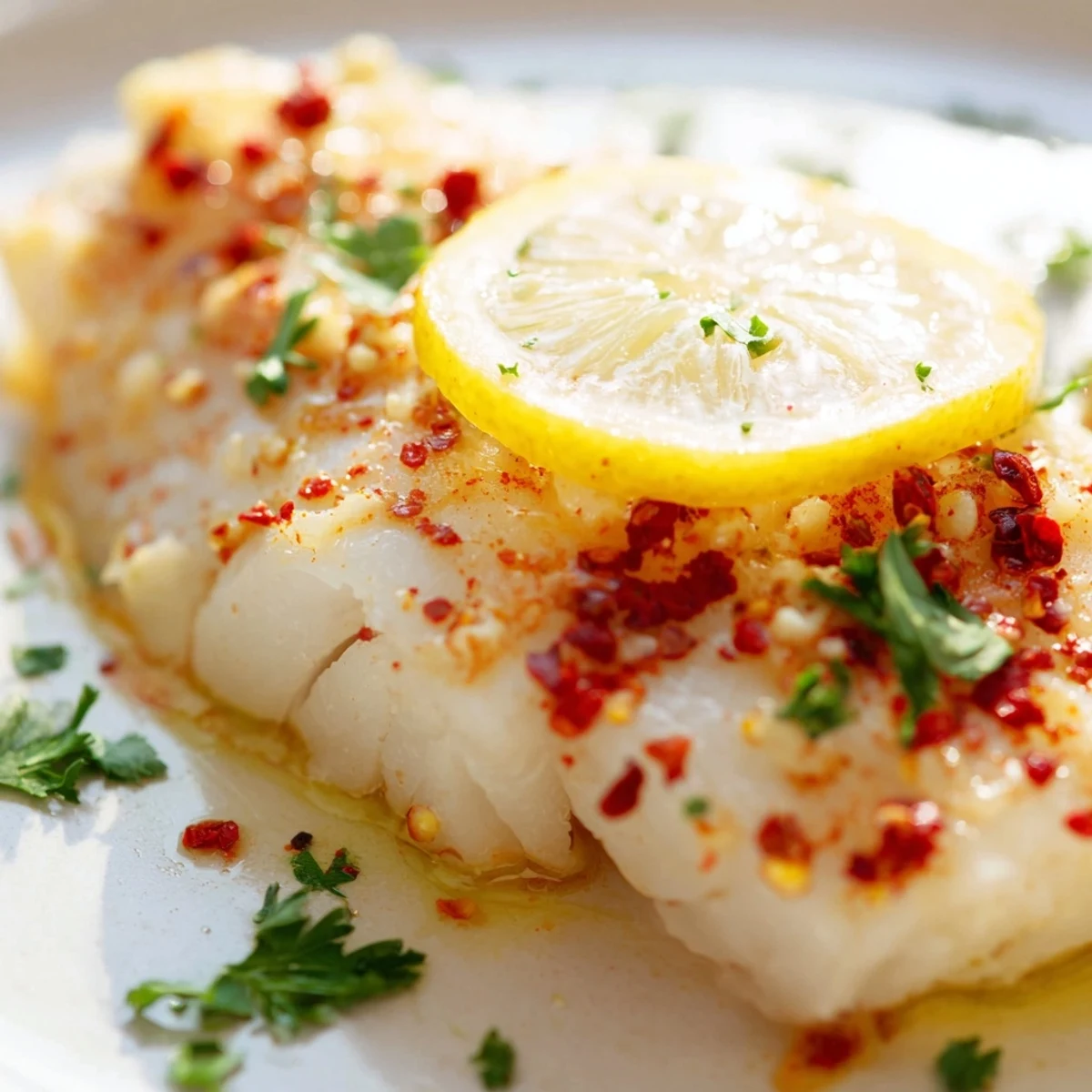
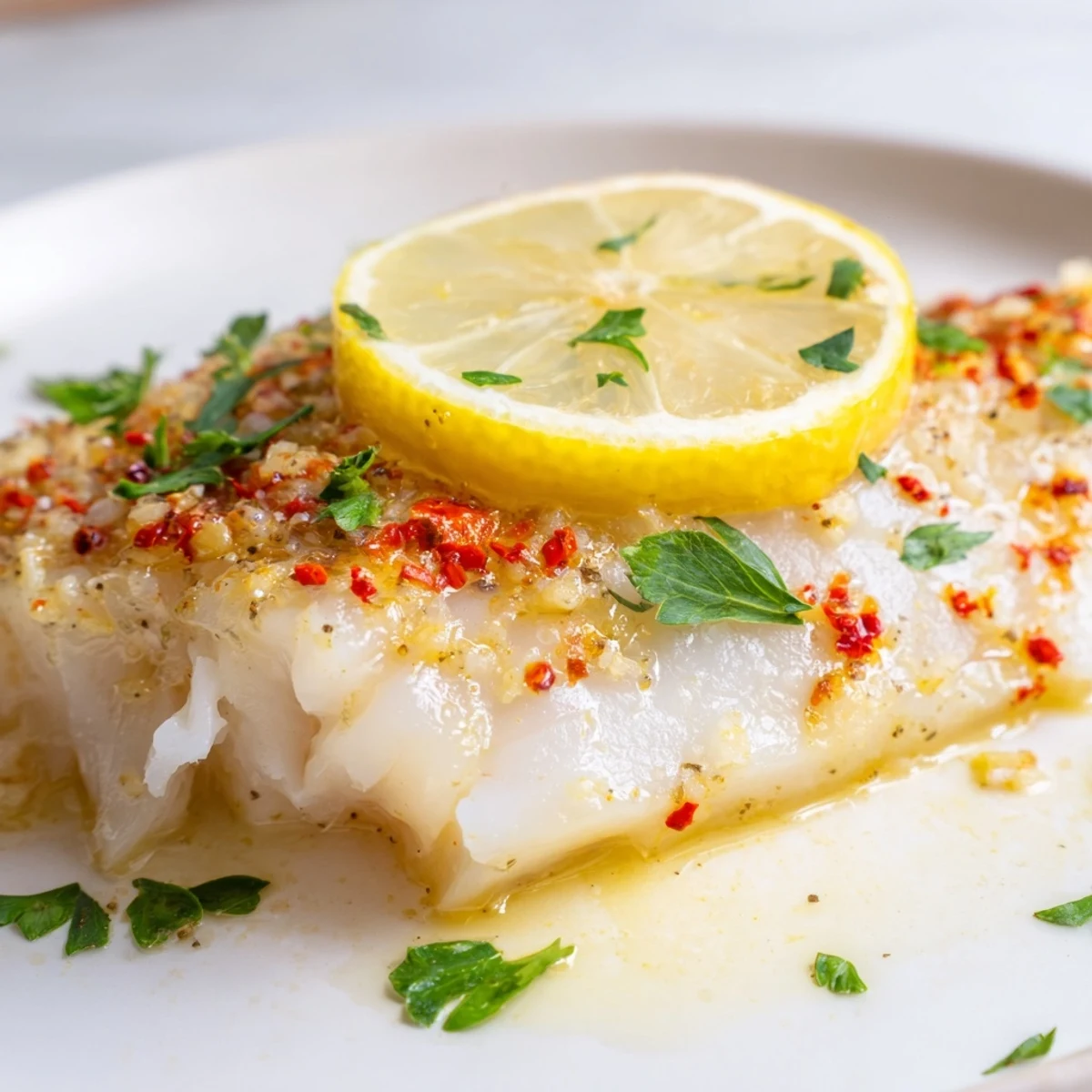
 Discover how to prepare tender cod fillets seasoned with lemon, garlic, olive oil, and herbs. This dish bakes quickly to a flaky, flavorful finish, perfect for a healthy meal option. Serve with fresh parsley and lemon slices to enhance the taste. The method is simple: season, coat, and bake until the fish easily flakes with a fork, delivering a delightful balance of zest and warmth.
My sister called one Tuesday evening asking if I could make something simple for dinner, and I found myself standing in front of the fish counter thinking about my grandmother's kitchen by the coast. She never fussed with fancy techniques—just good fish, a squeeze of lemon, and time in a hot oven. That philosophy stuck with me, and now whenever I need something that feels both nourishing and a little bit special, I reach for cod fillets and let them do the talking.
I made this for my partner on a random weeknight, and he sat there quiet for a moment before saying it reminded him of somewhere he'd been. That's when I realized baked cod doesn't need a special occasion—it just needs you to believe it's worth the care.
Ingredients
- Cod fillets (4, about 150 g each): Look for fillets that are pale and firm, not mushy or discolored; boneless matters because you want zero interruptions while eating.
- Olive oil (2 tbsp): This carries the garlic flavor right into the fish and keeps everything moist without heaviness.
- Fresh lemon juice (1 tbsp): Bottled works in a pinch, but fresh lemon cuts through richness in a way that feels almost magical.
- Garlic (2 cloves, minced): Raw garlic softens beautifully as the fish bakes, turning sweet and mellow instead of sharp.
- Sea salt (1 tsp) and black pepper (½ tsp): These aren't just seasonings—they're the baseline that makes everything else shine brighter.
- Paprika (½ tsp): A gentle warm note that adds color and a whisper of smokiness without overpowering delicate fish.
- Dried parsley (1 tsp) or fresh (1 tbsp): Fresh tastes brighter if you have it, but dried works when you don't and won't let you down.
- Lemon slices and fresh parsley for garnish: These finish the dish with freshness and make it look like it came from somewhere thoughtful.
Instructions
- Set your oven to wake up:
- Preheat to 200°C (400°F) and line your baking sheet with parchment paper or give it a light spray of oil. A hot oven is your friend here—it seals the fish quickly and keeps it from drying out.
- Build your flavor foundation:
- Combine olive oil, lemon juice, minced garlic, salt, pepper, paprika, and parsley in a small bowl. Stir until the garlic is evenly distributed and the mixture looks like loose, fragrant sand.
- Prepare your fillets with intention:
- Pat each cod fillet dry with paper towels—this step matters because moisture is the enemy of browning and flavor concentration. Lay them on your prepared baking sheet with a little space between each one.
- Coat generously and lovingly:
- Brush each fillet with the marinade, making sure both the top and sides get attention. Don't be shy; the oil carries flavor and keeps the fish tender.
- Crown with brightness:
- Arrange thin lemon slices on top of each fillet. They'll soften as they bake and infuse the fish with subtle citrus from the inside out.
- Let the heat do its work:
- Bake for 15 to 18 minutes, checking at the 15-minute mark by looking for opaque flesh that flakes easily with a fork. Overcooked fish is sad; perfectly cooked fish is life-changing.
- Finish and serve:
- Remove from the oven, scatter fresh parsley over the top if you have it, and bring everything to the table while it's still warm and steaming gently.
 Save to Pinterest
 My neighbor came over one evening and watched me pull this from the oven, and the smell hit her so hard she just laughed. She said her mother used to make something similar, and suddenly we were trading kitchen stories over a simple plate of fish. That's when I understood that food like this carries memory even when it's brand new to you.
What Makes Cod So Forgiving
Cod is the reliable friend who shows up on time and doesn't need coaxing into conversation. It's lean but not fragile, flaky but not prone to falling apart if you cook it properly, and its mild flavor is a canvas rather than a limitation. When you're learning to cook fish, cod teaches you the fundamentals without punishing mistakes too harshly.
Sides That Belong on This Plate
Steamed vegetables in the same lemon-garlic spirit feel natural alongside cod—think green beans, broccoli, or snap peas. Rice soaks up the pan juices beautifully, and roasted potatoes add a grounding warmth that makes the meal feel complete. Even a simple green salad cuts through richness and keeps the whole dinner feeling light.
Variations Worth Trying
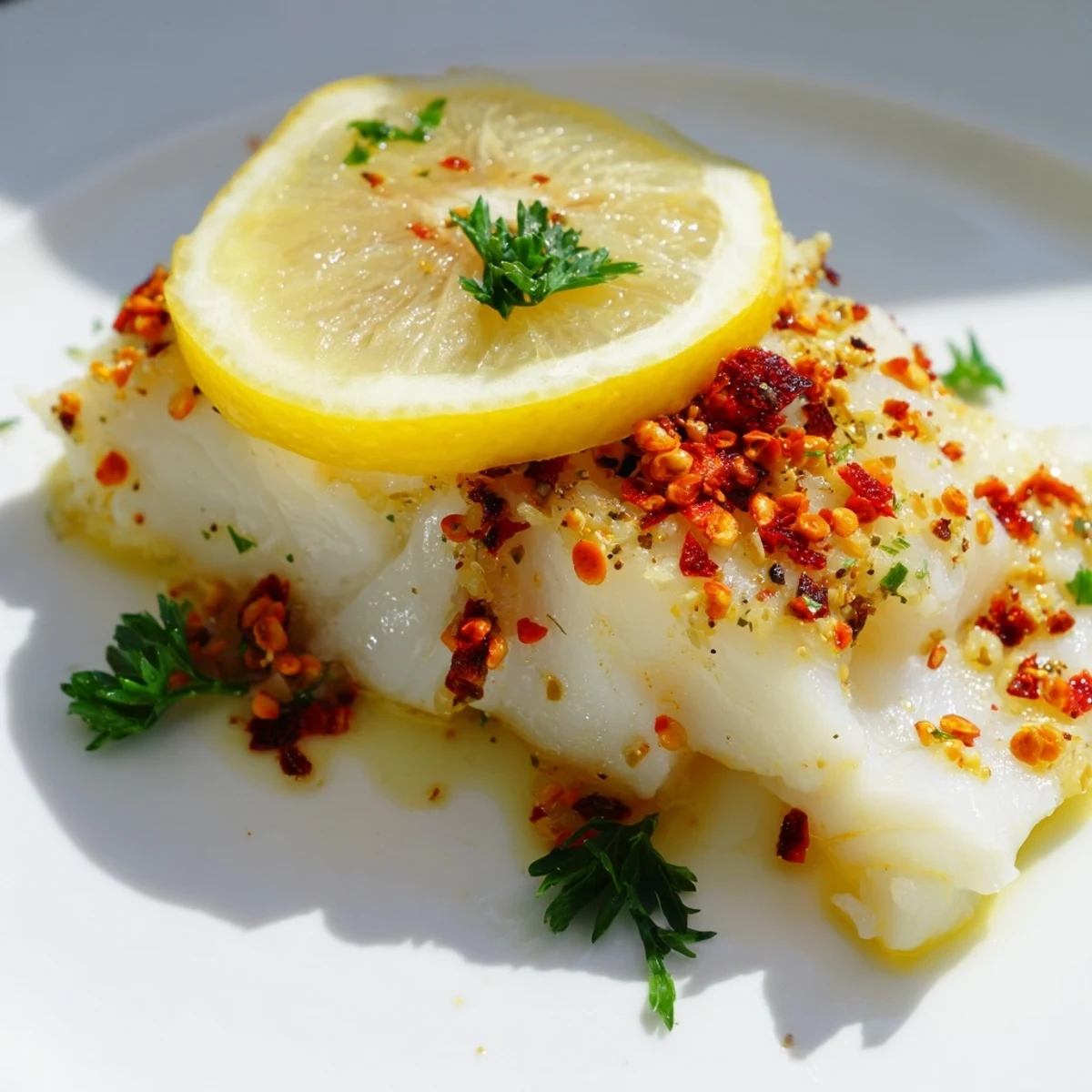
Haddock or halibut swap in seamlessly if your market has them or if you're following what looks fresh that day. A sprinkle of red chili flakes adds heat if you want to surprise your palate, and a splash of dry white wine poured over the fish before baking brings a subtle sophistication that makes you feel like you're eating somewhere special.
- Try adding a pinch of chili flakes for gentle heat that plays beautifully with lemon and garlic.
- Drizzle white wine over the fish right before baking for richness and depth.
- Experiment with fresh herbs like dill or tarragon if you want to change the flavor profile entirely.
 Save to Pinterest
 This recipe taught me that the simplest dishes often carry the most meaning. Baked cod doesn't ask for drama or technique—it just asks you to show up and pay attention, and somehow that becomes enough.
Recipe FAQs
- → What temperature should I bake the cod at?
-
Preheat the oven to 200°C (400°F) for perfectly baked cod fillets.
- → How do I ensure the cod stays tender and flaky?
-
Pat the fillets dry, brush with marinade evenly, and bake without overcooking to maintain tenderness.
- → Can I substitute other fish for cod?
-
Yes, haddock or halibut work well as alternatives in this preparation.
- → What sides pair well with baked cod?
-
Steamed vegetables, rice, or roasted potatoes complement the flavors nicely.
- → How can I enhance the flavor further?
-
Add chili flakes or a drizzle of white wine before baking for extra depth.